In modern cigarette production, digital monitoring is no longer a luxury — it’s a competitive necessity. By integrating sensors, data analytics, and real-time dashboards, tobacco manufacturers can significantly improve quality, reduce waste, and increase efficiency across every stage of the production chain.
At Orchid Tobacco, we leverage digital monitoring throughout our Tobacco Machinery and downstream processes, working seamlessly with Cigarette Making Machines and Cigarette Packing Machines. This helps us maintain consistency and uphold high standards for leading cigarette brands in Dubai.
Digital monitoring refers to the use of Internet of Things (IoT) devices, wireless sensors, and cloud-based analytics to continuously track and control critical parameters in tobacco production. These parameters include:
By capturing this data in real time, manufacturers can respond faster, adapt dynamically, and ensure consistent tobacco quality.
With real-time data, you can maintain optimal conditions in critical areas like aging warehouses or drying chambers. For example, sensors can detect fluctuations in humidity or temperature and trigger immediate adjustments — helping preserve the chemical profile and moisture balance of tobacco leaves.
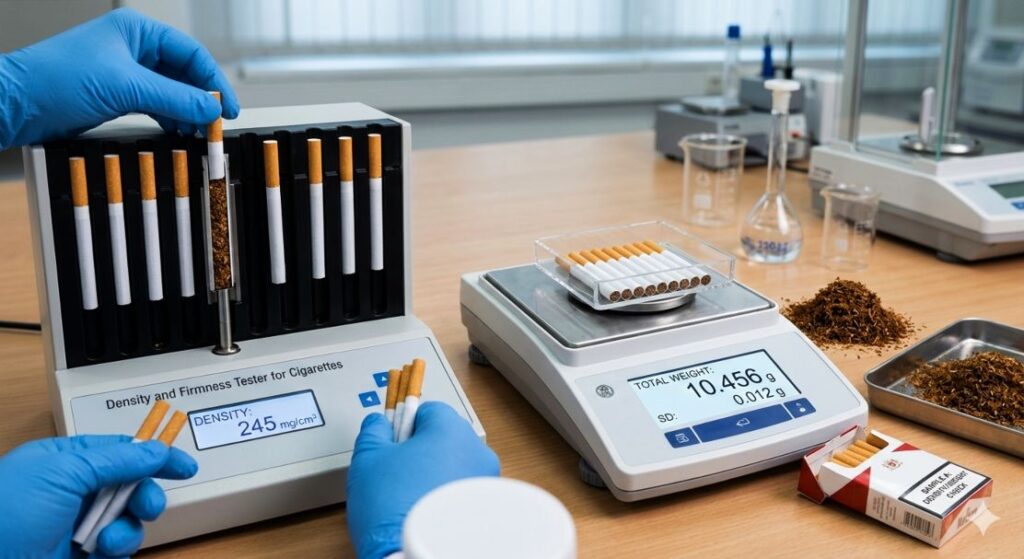
Digital monitoring ensures each batch meets quality targets, resulting in more consistent flavor, burn, and aroma.
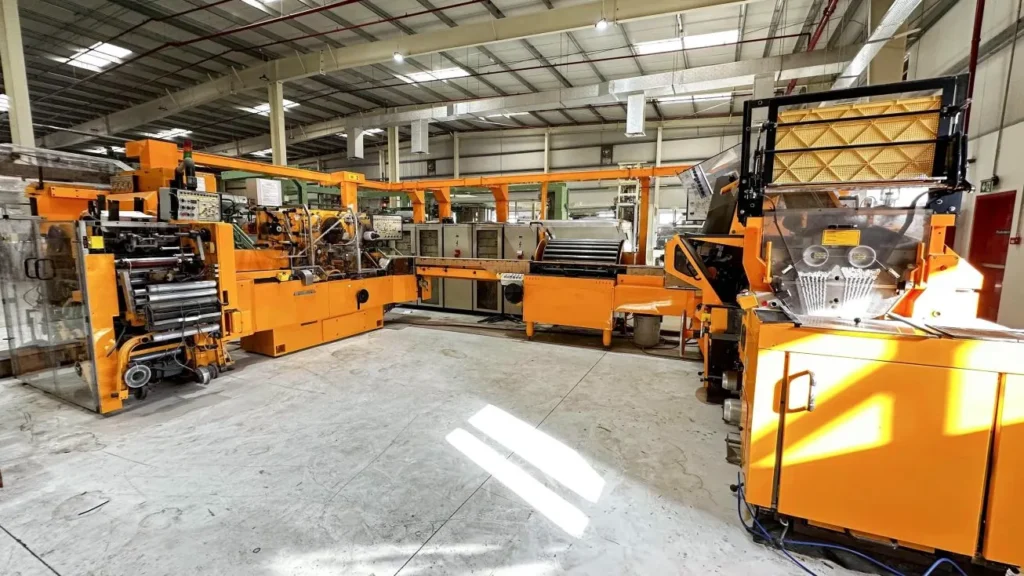
Digital monitoring helps detect early signs of wear or malfunction in machinery. By tracking parameters like vibration, temperature, and motor load, predictive maintenance systems alert technicians before breakdowns happen.
This reduces unplanned downtime and keeps lines like Cigarette Making Machines operating at peak efficiency.
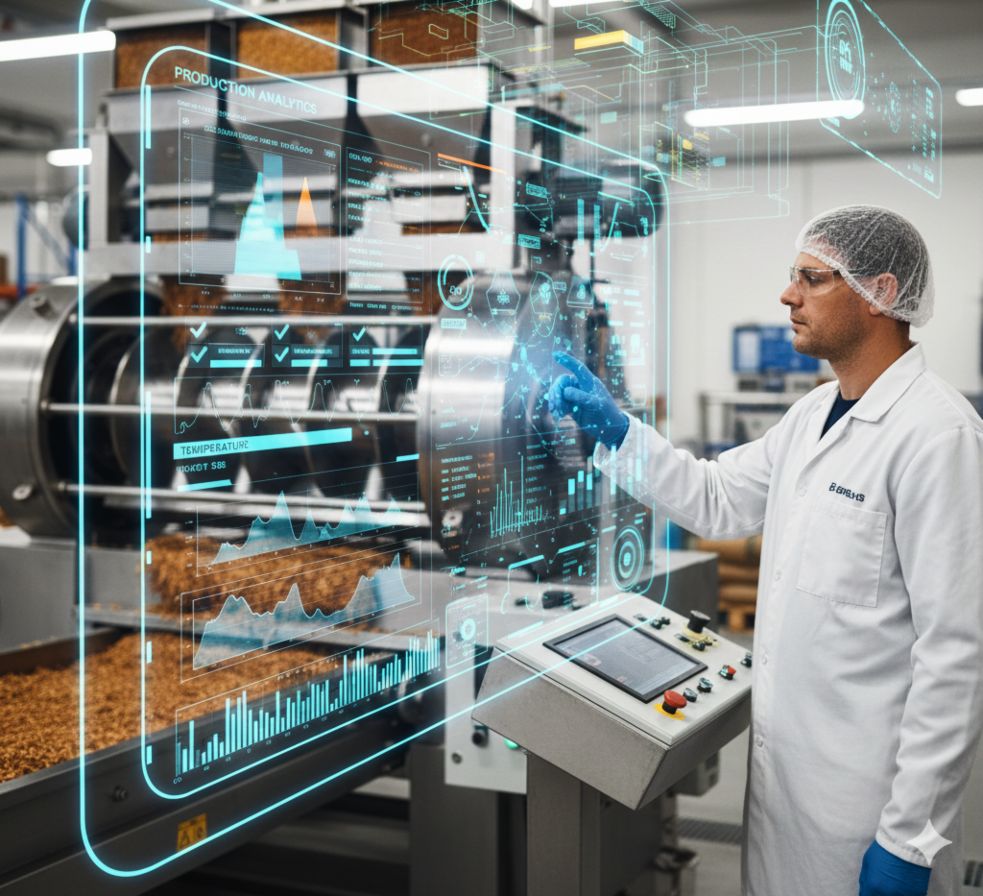
Real-time analytics and dashboards provide production managers with actionable insights. You can monitor throughput, identify bottlenecks, and optimize process flows. As noted by automation experts, such systems significantly reduce manual intervention and material waste.
Digital systems allow for better traceability of every batch — where it came from, how it was stored, and how it was processed. This supports quality assurance, regulatory compliance, and audit readiness.
Sensors monitor environmental conditions (temperature, humidity) across storage, fermentation, and processing zones. For instance, studies have shown how IoT-based monitoring in tobacco aging warehouses helps control these variables very precisely. Maintaining stable conditions preserves tobacco quality and reduces spoilage.
By aggregating data from multiple sensors, manufacturers can run analytics to detect patterns, inefficiencies, and areas for improvement. Real-time data dashboards (like those used by DataCalculus) help production planners make quick decisions to optimize operations.
Digital monitoring supports lean production. By closely monitoring consumption (e.g., energy, steam, water) and machine efficiency, manufacturers can reduce waste, lower energy use, and operate more sustainably.
Here are some of the practical ways digital monitoring is applied in tobacco factories:
While digital monitoring offers many benefits, implementing it in a tobacco manufacturing environment comes with challenges:
To successfully adopt digital monitoring in tobacco manufacturing, consider the following best practices:
Looking ahead, digital twins and smart manufacturing will push tobacco production further into the Industry 4.0 era. A digital twin is a virtual model of a physical process that mimics real-time performance.
By combining live sensor data with a digital twin:
At Orchid Tobacco, our commitment to quality, innovation, and consistency means embracing digital monitoring is critical. Here’s how it fits into our broader strategy:
Digital monitoring — powered by IoT sensors, data analytics, smart dashboards, and even digital twins — is transforming tobacco manufacturing. It enables real-time control of critical parameters, improves quality consistency, reduces waste, and supports predictive maintenance.
For modern cigarette production (from aging to cutting to packaging with Cigarette Packing Machines), it’s no longer enough to rely on manual checks. Embracing digital monitoring helps manufacturers stay competitive, efficient, and aligned with high-quality brand standards.
At Orchid Tobacco, we’re harnessing the power of digital monitoring to deliver precision, reliability, and excellence in every batch — supporting our mission of crafting world-class tobacco products.

We specialize in the provision of Tobacco Machinery. Our expertise encompasses not only the trading of machinery but also extends to being a dedicated supplier. This specialization is enriched by our comprehensive solutions tailored for emerging Cigarette Companies. What sets us apart is our ability to offer firsthand insights through our active Cigarette Manufacturing operation in the UAE.