In modern cigarette manufacturing, quality isn’t just about premium tobacco blends or precision machinery it’s also about maintaining the perfect moisture content in tobacco throughout the production process. From leaf preparation to the final cigarette pack, tobacco moisture control plays a crucial role in ensuring consistent taste, burn rate, aroma, and shelf life.
Without proper moisture levels, even the finest tobacco blends can fail to deliver a satisfying smoking experience. That’s why major tobacco manufacturers invest in advanced tobacco machinery designed to measure, regulate, and maintain ideal moisture conditions at every stage.
In this detailed guide, we’ll explore why moisture control is so important, how it affects cigarette quality, the machinery involved, and how manufacturers achieve consistency in large-scale production.
Why is Tobacco Moisture Control So Important?
Moisture content directly influences the physical and chemical characteristics of tobacco leaves. If the leaves are too dry, they become brittle, break easily, and burn too quickly. If they are too moist, they can develop mold, affect combustion, and cause uneven burning.
The ideal moisture content for cut tobacco used in cigarette production generally falls between 12% and 15%. This range ensures:
- Optimal Flavor Release – Proper moisture allows tobacco oils and natural aromas to activate during smoking.
- Controlled Burn Rate – Prevents cigarettes from burning too fast or going out frequently.
- Better Packing – Maintains tobacco flexibility so it can be packed tightly in cigarette tubes.
- Longer Shelf Life – Reduces the risk of spoilage during storage and transport.
Manufacturers must maintain these levels from raw leaf storage to the final packing stage, which requires a combination of controlled environments and specialized machines.
The Stages Where Moisture Control Matters
To fully understand moisture management, we need to look at every step in the cigarette production process where moisture levels can change.
-
Tobacco Leaf Storage and Conditioning
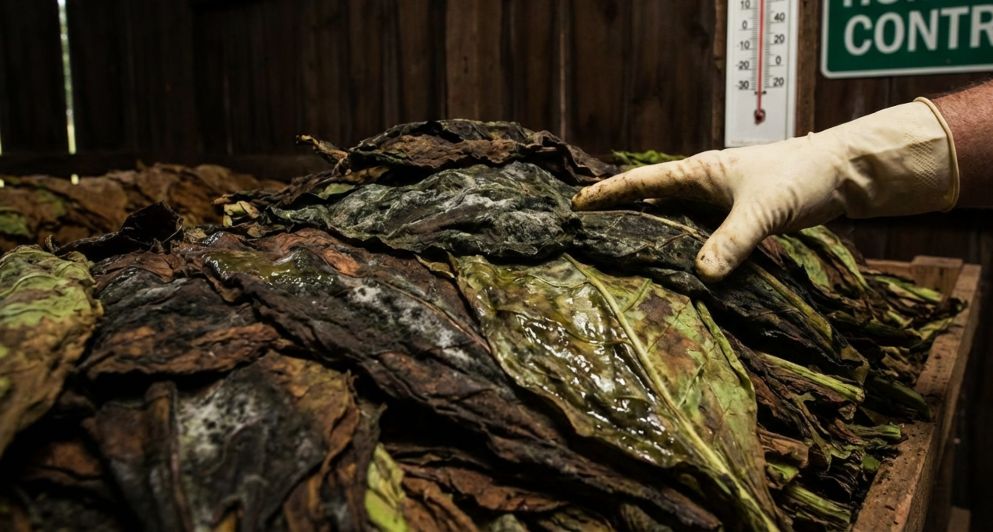
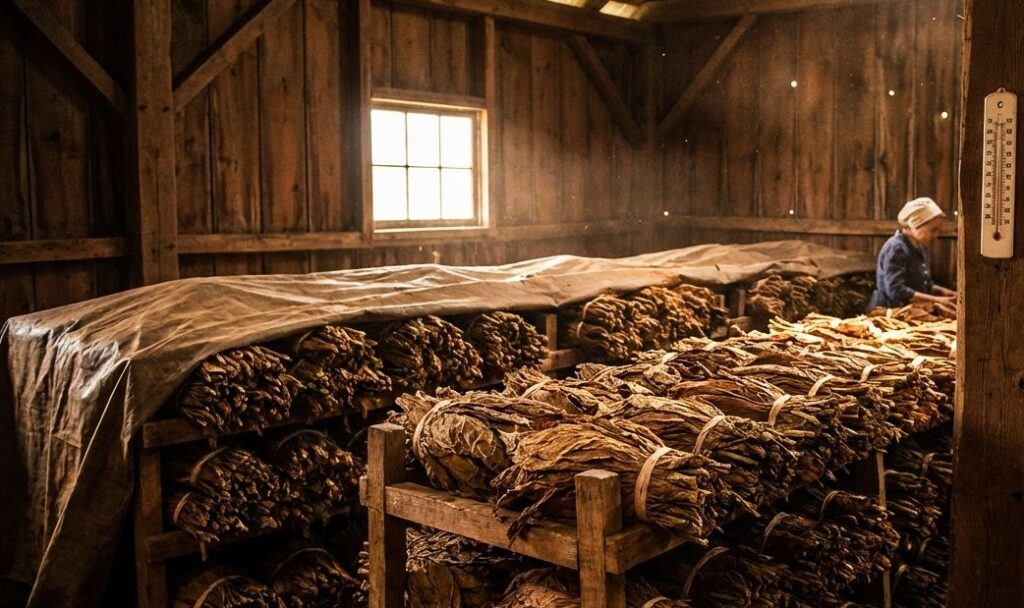
Freshly harvested tobacco leaves are naturally high in moisture. Before processing, they are cured and stored in climate-controlled warehouses to prevent degradation.
During storage, manufacturers use humidifiers, dehumidifiers, and ventilation systems to keep the environment stable. Fluctuations in humidity can cause:
- Loss of weight (due to drying)
- Mold growth (due to excess moisture)
- Uneven leaf texture
Modern tobacco machinery often includes built-in sensors that monitor and adjust conditions automatically.
-
Tobacco Cutting and Blending
Once leaves are ready, they are sent to cigarette making machines for cutting and blending. Moisture levels are critical here:
- Too dry: Leaves crumble, producing excess dust and inconsistent blend.
- Too wet: Leaves stick together, causing feeding problems in the machinery.
High-speed industrial cutters often include moisture meters to maintain consistency before the blend moves to the making stage.
-
Cigarette Rod Formation
In this stage, the cut tobacco is fed into a cigarette maker where it’s formed into a continuous rod wrapped in cigarette paper. If the moisture is not within the right range:
- Dry tobacco won’t compress well, leading to loose-filled cigarettes.
- Moist tobacco may cause the paper to tear or result in an overly tight draw.
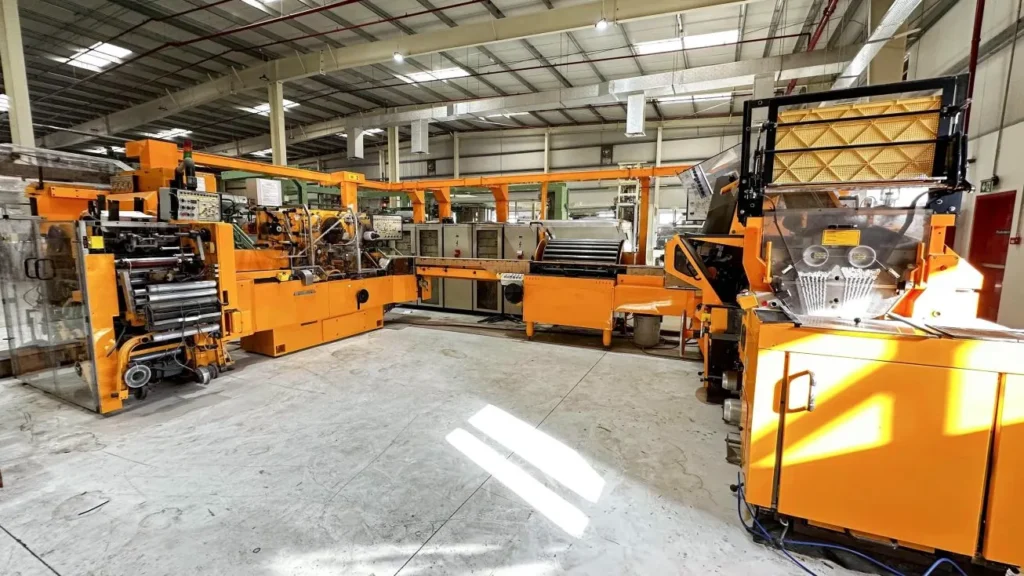
This is why industrial cigarette making machines are often paired with moisture conditioning systems that adjust humidity in real time.
-
Filter Attachment
When the tobacco rod is cut to size and the filter is attached, moisture indirectly affects adhesion and stability. Using cigarette filter making machines ensures filters are precisely fixed without damaging the tobacco structure.
-
Cigarette Packing and Sealing
After production, cigarettes are transferred to cigarette packing machines for wrapping, boxing, and sealing. At this point, moisture control is about preserving freshness:
- Too dry during packing: Cigarettes lose flavor quickly.
- Too moist during packing: Risk of mold during storage.
Packing machines work alongside environmental controls to ensure the final product leaves the factory in perfect condition.
How Manufacturers Measure and Control Moisture
Moisture control in tobacco production relies on precision technology. Some commonly used systems include:
- Moisture Analyzers – Devices that measure water content in real time.
- Humidification Systems – Maintain stable humidity in processing areas.
- Air Conditioning Units – Prevent fluctuations in temperature that can affect moisture.
- Online Moisture Sensors – Installed in production lines for continuous monitoring.
- Drying and Rehydrating Units – Used to correct moisture levels instantly if they deviate from the target range.
These technologies are often integrated into tobacco machinery for automatic control.
Impact of Poor Moisture Control on Cigarette Quality
If moisture isn’t controlled properly, cigarette manufacturers face multiple issues:
- Taste Degradation – Overly dry tobacco loses its aromatic compounds.
- Burn Irregularities – Moist tobacco can cause tunneling or uneven burn.
- Reduced Production Efficiency – Machines may clog, jam, or require frequent cleaning.
- Higher Rejection Rates – Quality control departments may reject entire batches.
The financial and brand reputation losses from these issues make moisture control a non-negotiable priority for cigarette producers.
Role of Spare Parts in Moisture Control Systems
Like any high-performance equipment, tobacco processing machinery requires regular maintenance. Spare parts such as moisture sensors, humidity regulators, and conditioning belts are essential to ensure smooth operation.
Regular replacement of worn parts keeps moisture management systems accurate, reducing downtime and maintaining quality standards.
Moisture control is the silent hero of cigarette manufacturing. While consumers may never think about it, the perfect smoking experience depends heavily on maintaining precise moisture levels from the moment the tobacco leaf is stored to the time the finished cigarette is packed.
Manufacturers rely on state-of-the-art tobacco machinery, cigarette making machines, cigarette packing machines, and filter making equipment to achieve this consistency. Alongside advanced technology, trained operators and proper maintenance ensure every cigarette meets high-quality standards.
If you’re looking to invest in or upgrade your production line, explore our full range of tobacco machinery and see how precision engineering can improve your output.