Tobacco grading is one of the most crucial steps in the entire tobacco industry. From the moment leaves are harvested to the time they are processed in tobacco machinery, grading ensures that every leaf is evaluated for its quality, appearance, texture, and usability. Without proper grading, cigarette manufacturers and other tobacco-related industries would struggle to maintain consistency, flavor, and consumer satisfaction.
In this guide, we’ll explore what tobacco grading is, why it matters, how it’s done, and its direct role in cigarette production. We’ll also discuss how grading impacts the performance of cigarette-making machines and cigarette-packing machines, ensuring that the final product meets global standards.
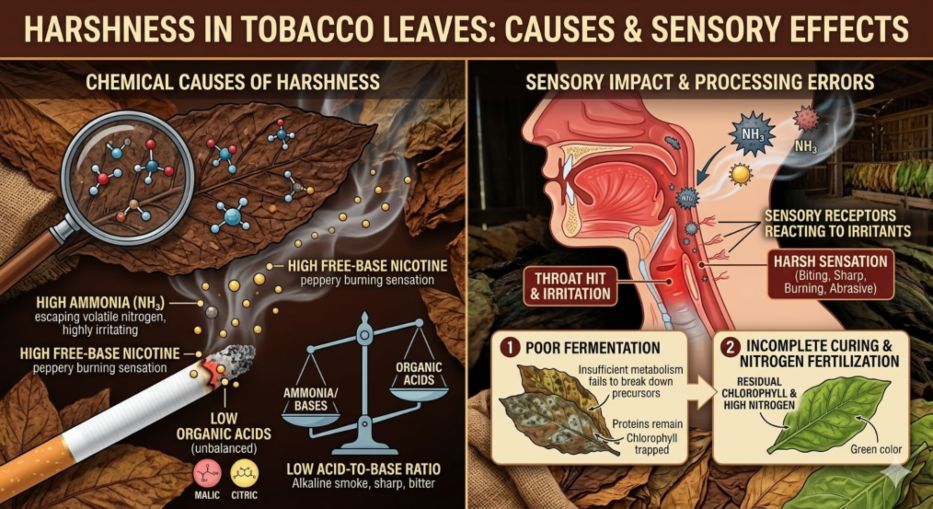
Tobacco grading is the process of classifying cured tobacco leaves into specific categories based on physical and chemical characteristics. Graders examine the leaves and group them according to:
Essentially, grading gives each batch of tobacco a quality label, ensuring manufacturers know exactly what type of leaf they are working with.
Tobacco grading plays a vital role in both agriculture and manufacturing. Let’s break down its importance:
Consumers expect the same taste and aroma in every cigarette they smoke. Grading ensures that manufacturers use uniform blends, leading to consistent product quality across different batches.
Not all tobacco leaves are equal. Some are high-quality and suitable for premium cigarette blends, while others are better for fillers. By grading properly, farmers and manufacturers can maximize profits by using every leaf in the most suitable way.
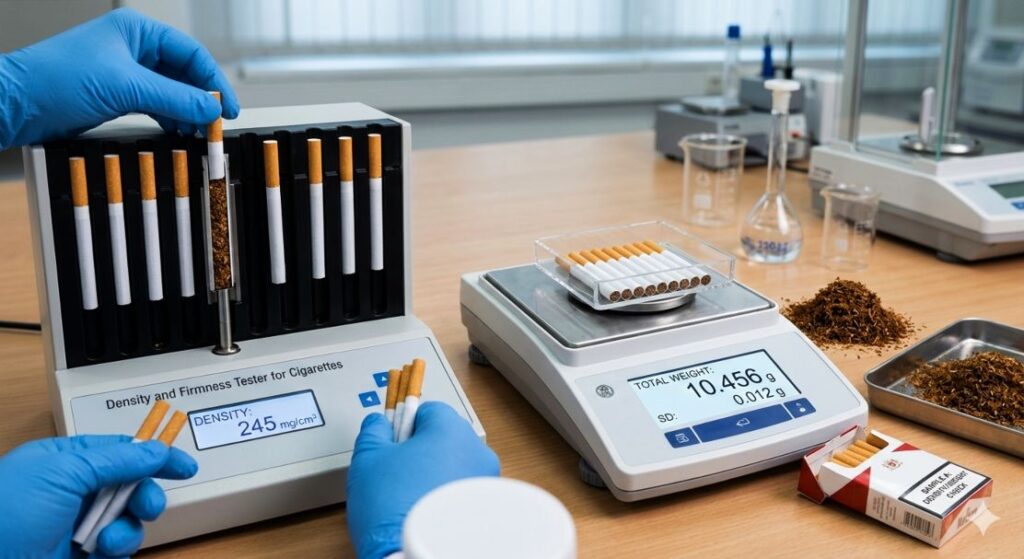
Modern cigarette-making machines are designed to work with uniform, properly graded tobacco. If poor-quality or unevenly sorted leaves are fed into machines, it can cause blockages, wastage, or production slowdowns.
Countries that export tobacco often have strict grading standards. Without proper grading, shipments may be rejected, leading to financial losses and reputational damage.
At the end of the day, the smoker’s satisfaction depends on the flavor, burn quality, and smoothness of the cigarette. Grading ensures that manufacturers deliver a reliable and enjoyable smoking experience.
Grading is a skilled process, often done by trained experts. The process generally involves the following steps:
Different tobacco-growing regions use unique grading systems, but the three most common categories are:
For cigarette production, a blend of these grades is usually used to achieve a balanced flavor profile.
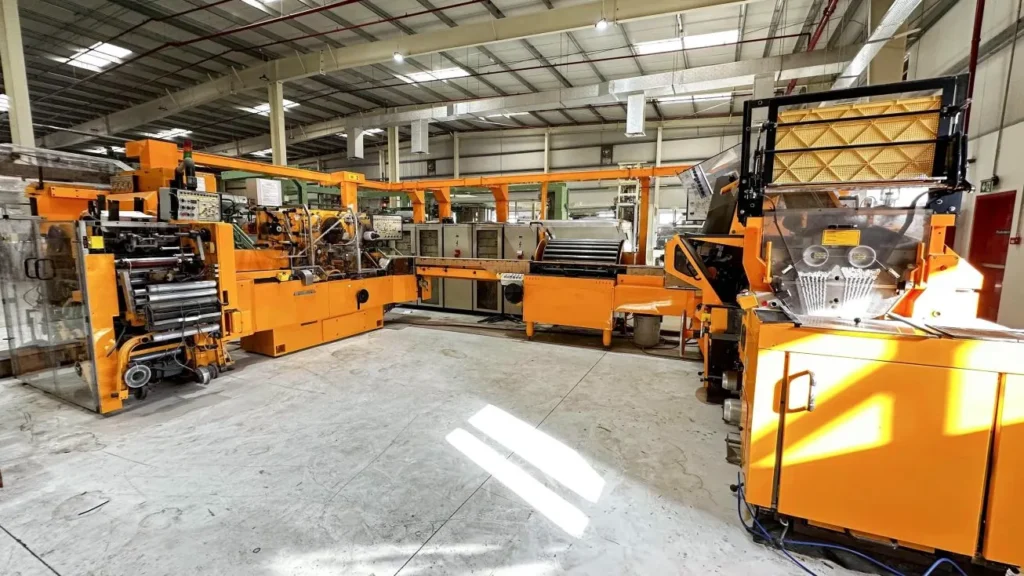
Graded tobacco flows smoothly through high-speed cigarette-making equipment, reducing blockages and ensuring maximum output.
Properly sorted tobacco ensures even distribution inside cigarettes, which means uniform burn quality.
When tobacco is evenly cut and consistent, cigarette packing machines can work faster without errors. Poorly graded tobacco can lead to overfilled or underfilled packs.
Grading allows manufacturers to carefully select and blend tobaccos for different cigarette variants (light, regular, menthol, premium).
Despite being a vital step, grading is not without challenges:
To overcome these, many manufacturers are introducing automated grading systems with sensors, scanners, and AI-based technology.
As the tobacco industry evolves, technology will play a bigger role in grading. Automated scanners, AI-based quality checks, and digital grading systems are being adopted to minimize errors and increase efficiency. These innovations will ensure that modern tobacco machinery operates at its best, meeting the growing demand for high-speed, consistent cigarette production.
Tobacco grading is much more than just sorting leaves—it is the foundation of quality cigarette production. By classifying leaves carefully, manufacturers ensure that cigarette-making machines and cigarette-packing machines run efficiently, producing cigarettes that meet consumer expectations and international standards.
As technology continues to evolve, grading will move from manual expertise to automated precision, ensuring that the global tobacco industry remains efficient, profitable, and consistent in quality.

We specialize in the provision of Tobacco Machinery. Our expertise encompasses not only the trading of machinery but also extends to being a dedicated supplier. This specialization is enriched by our comprehensive solutions tailored for emerging Cigarette Companies. What sets us apart is our ability to offer firsthand insights through our active Cigarette Manufacturing operation in the UAE.