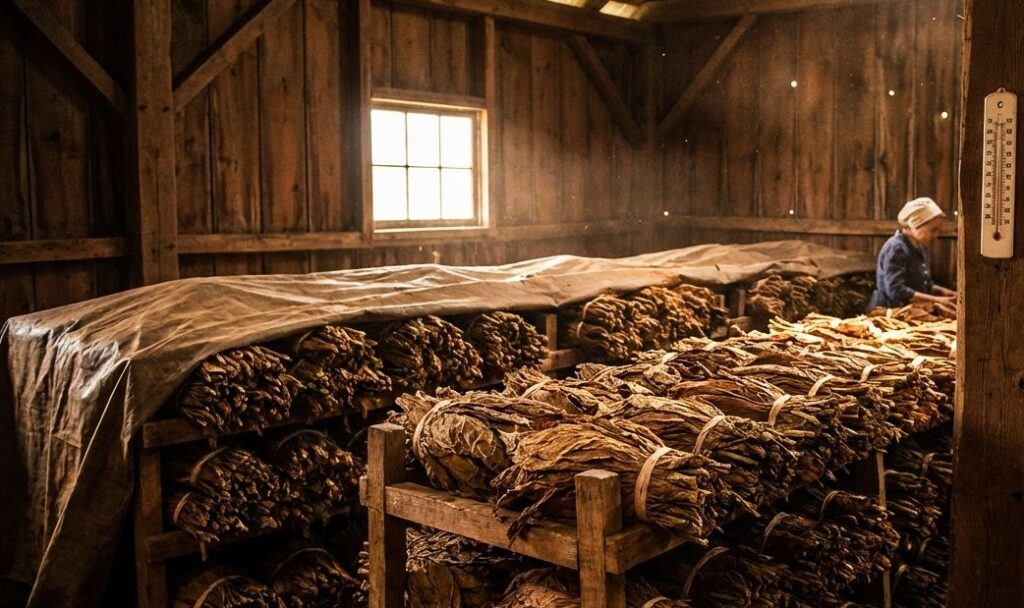
Fermentation is one of the most crucial steps in tobacco processing. After curing, tobacco leaves contain residual sugars, harsh chemical compounds, and uneven textures that can negatively impact flavor, aroma, and combustion. Proper fermentation transforms these raw leaves into a more refined, stable, and aromatic product ready for further processing — including cutting, cigarette forming, and packing.
In this guide, we’ll explain the entire tobacco leaf fermentation process in detail, why fermentation matters, how each stage contributes to quality, and how this fits into the broader cigarette manufacturing process.
Fermentation is a controlled biological and biochemical process in which tobacco leaves are exposed to specific temperature and moisture conditions for a defined period. During this process, natural enzymes and chemical reactions reduce harshness, develop aroma, and stabilize the leaf structure.
If you need background on what tobacco itself is and how its composition affects processing, our guide What Is Tobacco? is a helpful resource to understand the raw material.
Fermentation plays multiple roles:
Fermentation is closely linked to a leaf’s chemistry — including nicotine behavior and how it integrates with sensory experience, as touched on in What Is Nicotine? Is Nicotine a Drug?.
Fermentation usually follows:
Before fermentation begins, tobacco leaves must have completed curing. During curing, leaves lose excess moisture and begin to break down chlorophyll. At the end of curing, the leaves should:
If this condition isn’t met, the fermentation process can fail or produce off-flavors.
Before fermentation, leaves are sorted by:
Grading ensures that similar leaves are fermented together, avoiding uneven reactions and quality drift.
To activate enzymes and begin controlled chemical changes, leaves are lightly moistened. This can be done by:
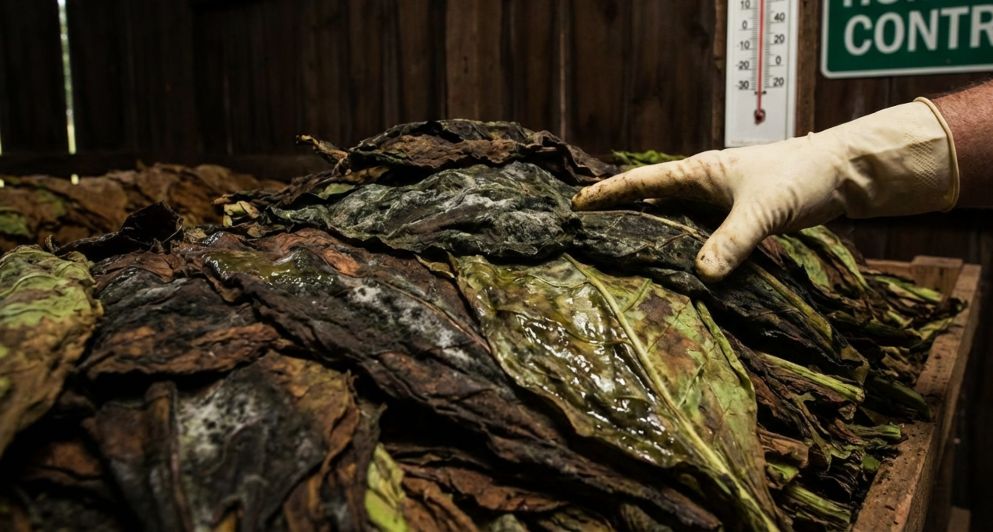
Moisture is crucial — too little and fermentation stalls; too much and the leaf can rot or grow mold.
Leaves are formed into piles — often called stacks or bulks — where the fermentation reaction will occur.
This bulk structure allows heat and moisture to build gradually from the inside outward, promoting enzymatic activity.
Fermentation is driven by internal heat and natural reactions. Typical conditions used in industrial fermentation include:
Temperature and humidity must be controlled — not to overheat (which kills enzymes and reduces aroma) and not to stay too cool (which slows the process).
In modern facilities, sensors and temperature probes (sometimes part of automated tobacco machinery) help track real-time conditions inside fermentation bulks.
To ensure uniform fermentation, the leaf bulk needs to be periodically turned or recirculated. Turning the pile:
How often this is done depends on batch size, leaf type, and specific process control plans.
Throughout fermentation, key indicators are monitored:
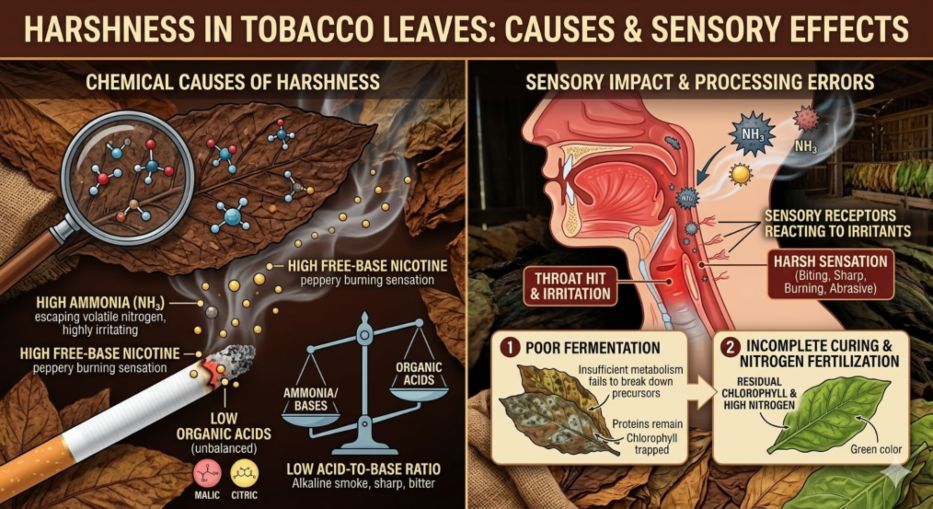
This stage requires careful observation because both under- and over-fermentation can diminish leaf quality. Too little fermentation leaves a harsh taste and aroma, while too much creates flat, overripe flavors.
After the main fermentation cycle completes, leaves are often cooled and rested. During this resting period, chemical activity slows, flavors stabilize, and moisture levels equalize internally.
Resting typically lasts 1–3 weeks, depending on environmental conditions and leaf variety.
Before moving into processing, batches are evaluated for:
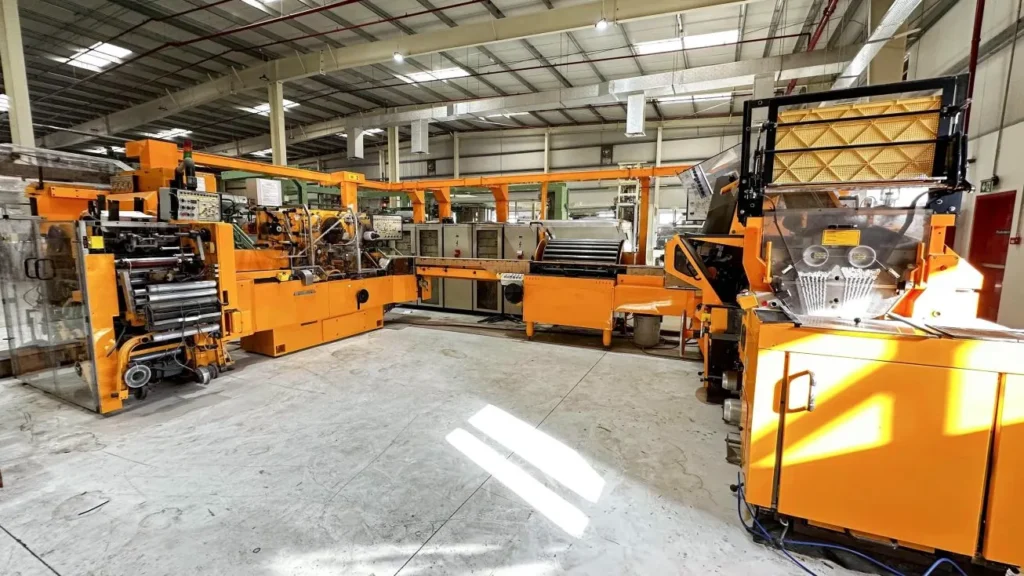
Leaves that pass quality assessment enter conditioning and the cutting process, eventually reaching manufacturing lines like Cigarette Making Machines.
Some premium blends or special product profiles undergo additional aging before final processing. This slow post-fermentation maturation can enhance complexity and smoothness and is similar to aging in other food and beverage processes.
Proper storage conditions remain vital here — stable humidity and controlled temperature — to preserve the benefits of fermentation.
Fermentation reduces harsh, green, or bitter notes while forming aromatic compounds that provide:
This sets the foundation for taste consistency during smoking.
Fermented leaves have more stable chemical structures, which:
This makes the tobacco more suitable for Cigarette Making Machines and results in a premium smoking experience.
Fermentation softens leaves, making them easier to cut and blend without excessive dust or breakage — supporting better yield and machine efficiency downstream.
After fermentation and cutting, the processed blend is ready for the rigors of high-speed production and packaging machinery such as Cigarette Packing Machines.
Leaves become too soft, lose aromatic nuance, and develop a flat or fermented odor.
Leaves remain harsh, retain chlorophyll-like greenness, and burn unevenly.
Either too wet (risk of mold) or too dry (incomplete reactions).
Careful monitoring and adherence to conditions help avoid these pitfalls.
Fermentation transforms the raw agricultural leaf into a product optimized for sensory experience — it’s a bridge between plant physiology and final product enjoyment. For products marketed on quality, aroma, and smoothness, fermentation makes the difference between a raw agricultural taste and a refined smoking experience.
This sensory interaction connects with nicotine delivery, mouthfeel, and overall satisfaction — making fermentation a backbone process behind the tobacco experience consumers associate with specific product families.
Fermentation involves complex biochemical reactions:
This biochemical evolution is similar in principle to aging in wine, cheese, or other fermented products — controlled change over time for stable quality.
The tobacco leaf fermentation process is a precise, controlled scientific transformation that prepares leaves for the next stages of cigarette production. By managing temperature, humidity, leaf condition, and process timing, manufacturers enhance flavor, facilitate combustion consistency, and optimize processing for uniform product quality.
Whether sent to Cigarette Making Machines or later packaged with Cigarette Packing Machines, properly fermented leaf forms the foundation for every quality cigarette.
For more context on the material being transformed and its impacts, be sure to explore What Is Tobacco? and the role of nicotine in sensory experience in What Is Nicotine? Is Nicotine a Drug?.

We specialize in the provision of Tobacco Machinery. Our expertise encompasses not only the trading of machinery but also extends to being a dedicated supplier. This specialization is enriched by our comprehensive solutions tailored for emerging Cigarette Companies. What sets us apart is our ability to offer firsthand insights through our active Cigarette Manufacturing operation in the UAE.