“Is tobacco a drug, or is it just a plant?” The honest answer is both. Tobacco is an agricultural crop with a five-century trade history, and it is also the source of one of the most addictive psychoactive substances in regular human use. Understanding tobacco means holding both facts at once: where the plant comes from, what’s actually in it, and why nicotine gives it the drug classification most health authorities apply to it today.
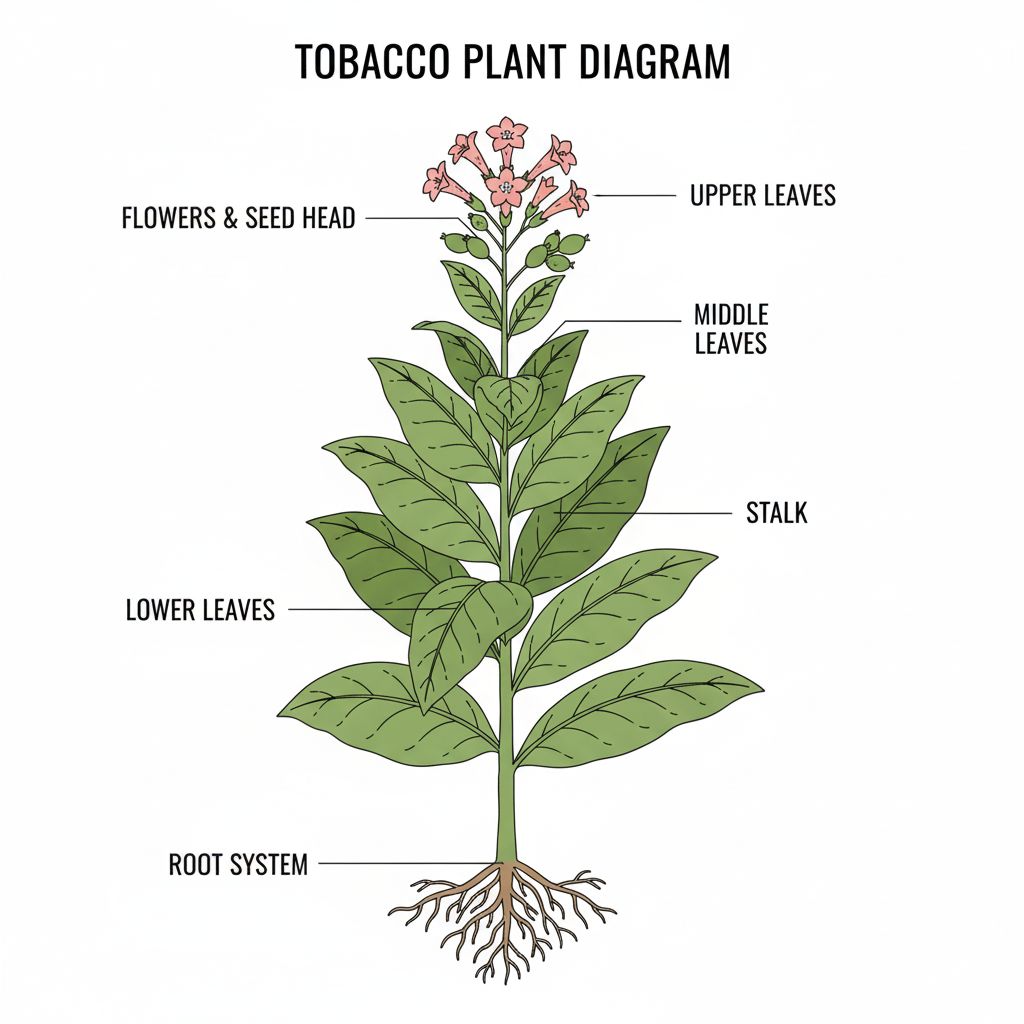
Tobacco is a natural plant product derived primarily from Nicotiana tabacum, a broadleaf species belonging to the nightshade family (Solanaceae). It has been cultivated for centuries, originally in the Americas and later across South America, Asia, and Africa, for its distinctive flavor and stimulating properties. The compound responsible for that stimulation is nicotine, a naturally occurring psychoactive substance that affects the brain and body, and it’s the reason tobacco is both widely used and highly addictive.
Once harvested, tobacco leaves are dried and processed into cigarettes, cigars, pipe tobacco, and chewing tobacco. Because of its nicotine content, tobacco sits at the center of a global industry that has shaped cultures, economies, and everyday habits for generations.
Tobacco is a plant first, and its chemistry is what turns it into a drug. Nicotine triggers dopamine release in the brain, producing temporary alertness or relaxation, but also building dependency with repeated use. The plant itself is straightforward biology; the nicotine it produces is what makes it psychoactive.
The broad green leaves of the plant contain a complex mix of organic compounds, including sugars, proteins, alkaloids, and aromatic resins. These are what give tobacco its flavor, aroma, and burn characteristics.
| Component | Description |
| Nicotine | The primary alkaloid; a stimulant affecting the central nervous system. |
| Tobacco Alkaloids | Includes nornicotine, anabasine, and anatabine, contributing to flavor and physiological effects. |
| Carbohydrates & Sugars | Provide mild sweetness and influence burn characteristics. |
| Proteins & Amino Acids | Affect taste and chemical reactions during curing. |
| Resins & Oils | Contribute to aroma and smoke texture. |
Tobacco contains more than 5,000 identified chemical compounds in total, many of which form additional compounds only when the leaf is burned.
Tobacco originates from the Americas, specifically Central and South America, where indigenous peoples cultivated it long before European contact. Native tribes grew Nicotiana tabacum for spiritual, medicinal, and ceremonial purposes, burning or chewing the leaves as part of rituals meant to connect with nature and the divine.
When European explorers arrived in the late 15th century, they carried the plant back to Europe, where it gained popularity quickly. Through colonization and trade, tobacco spread across continents and became a valuable cash crop in North America, Africa, and Asia, with cultivation centered heavily in the Caribbean, the Southern United States, India, and China.
Today tobacco is grown in more than 120 countries, with China, Brazil, India, the United States, and Indonesia among the largest producers.
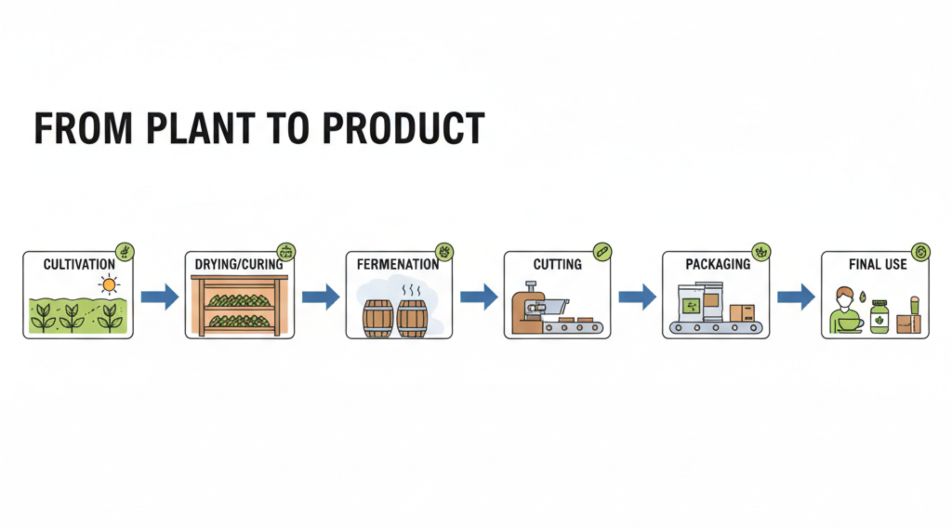
Getting from a green leaf in the field to a finished cigarette or cigar involves several controlled stages, each of which shapes the final flavor, aroma, and texture of the product.
Tobacco begins with cultivation in warm, well-drained soil. Farmers nurture the crop for two to three months until the leaves mature and reach the target size and nicotine level.
Once harvested, leaves are dried and cured using air curing, flue curing, sun curing, or fire curing. This stage develops the leaf’s color, reduces moisture, and brings out flavor compounds that aren’t present in the fresh leaf.
After curing, leaves ferment to balance their chemical composition and remove harshness, then get sorted, blended, and cut into fine strips based on the intended product.
Processed tobacco ends up in several distinct product categories:
Each of these relies on a different processing approach to hit the taste, texture, and nicotine strength that product category calls for.
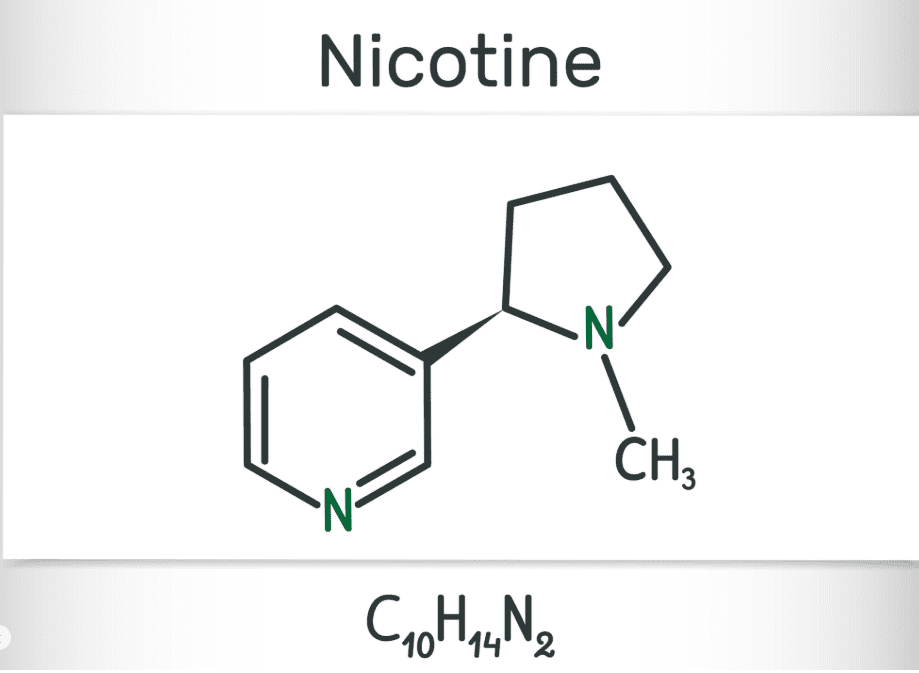
Yes. Nicotine is the compound that defines tobacco’s stimulating and addictive nature. It’s a stimulant alkaloid found naturally in Nicotiana tabacum, concentrated mainly in the leaves, and while it’s one of several tobacco alkaloids, it’s the one responsible for the plant’s strongest physiological effects.
When tobacco is smoked, chewed, or inhaled, nicotine enters the bloodstream and reaches the brain within seconds. There it stimulates dopamine release, the neurotransmitter tied to pleasure, producing a short burst of alertness and satisfaction. That effect fades quickly, which is exactly what drives repeated use and, over time, dependence.
Nicotine is naturally present in the plant, produced in the roots and accumulated in the leaves as part of the plant’s own defense against insects. Manufacturers don’t add it artificially, though nicotine levels can shift during processing through blending or curing choices.
Tobacco is classified as a drug because it contains nicotine, a psychoactive and addictive chemical that acts directly on the brain and central nervous system. The plant itself is a natural agricultural product, but its chemical effect on the body puts it in the same functional category as other commonly used stimulants like caffeine and alcohol, both of which alter mood, alertness, and behavior.
Nicotine interacts with nicotinic acetylcholine receptors in the brain. Within seconds of inhalation or absorption it causes a surge of dopamine, producing a short-lived sense of pleasure, focus, and calm. Over time the brain adapts to that stimulation and requires more nicotine to reach the same effect, which is the defining mechanism of addiction.
The World Health Organization and most medical authorities classify tobacco and nicotine as addictive psychoactive substances, grouping them with other dependence-causing drugs based on their effects on mood regulation, reward pathways, and physical dependence.
Long-term tobacco use can lead to nicotine addiction that’s genuinely difficult to break. Beyond dependence, tobacco consumption is linked to heart disease, lung cancer, respiratory problems, and high blood pressure. Even natural or organic tobacco contains nicotine and toxic compounds that carry these same risks; when burned, tobacco smoke produces tar, carbon monoxide, and carcinogens regardless of how the leaf was grown. Organic cultivation may reduce chemical fertilizer or pesticide use, but it doesn’t remove the health risk.
Tobacco’s history stretches back thousands of years, beginning with traditional use among indigenous peoples of the Americas. Long before commercial cultivation, Native American tribes in Central and South America used tobacco leaves in spiritual rituals, healing practices, and social ceremonies, believing it could purify the spirit and aid meditation.
European explorers introduced tobacco to Europe in the late 15th century, and it became a luxury commodity within a few decades. From there it spread across Asia, Africa, and the Middle East along trade routes and colonial expansion, shifting from a sacred plant to a commercial product that fueled global demand and built vast plantation economies.
The cultural meaning of tobacco shifted accordingly, moving from ritual and spiritual use toward habitual, recreational consumption. Mass production of cigarettes in the 19th and 20th centuries cemented tobacco’s role as both a global industry and a widespread social habit.

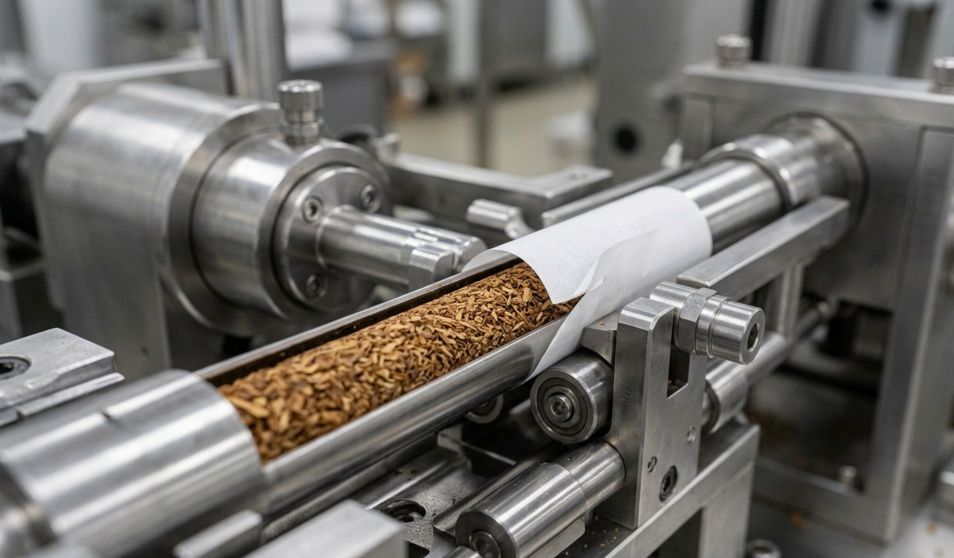
Tobacco remains one of the world’s most significant agricultural commodities, cultivated in more than 120 countries and supporting millions of farmers and workers. Modern production runs on advanced farming, processing, and manufacturing systems built to keep leaf quality and supply consistent for the global market.
China, India, Brazil, and the United States account for the majority of global production, with large-scale cultivation systems and modern processing facilities that turn raw leaves into cigarettes, cigars, pipe tobacco, and chewing tobacco.
Specialized machinery plays a role at every stage of that production, from leaf processing through to final packaging. Learn more about the equipment behind it:
Together, this machinery bridges traditional cultivation with modern manufacturing efficiency, and it’s what keeps the global tobacco industry running at the scale it does today.
Tobacco is both a natural plant and the source of a powerful psychoactive substance in nicotine. It comes from Nicotiana tabacum, cultivated for centuries across the world, but its chemical composition is what makes it far more than an agricultural product. The leaves that once held spiritual and cultural significance in ancient American traditions have become the foundation of a global industry that touches health, economies, and societies alike.
Understanding tobacco means holding both sides of that identity at once: a plant shaped by nature, and a substance whose nicotine content makes it one of the most addictive products in common use. Modern regulation and public health messaging exist precisely because of that dual nature, aiming to make sure consumers understand both the cultural history and the health risks tied to tobacco.
Tobacco is composed of naturally occurring compounds found in the Nicotiana tabacum plant. Its main components include:
Altogether, tobacco contains over 5,000 identified chemicals, many of which form additional compounds when burned.
Tobacco is considered a drug because of its psychoactive and addictive compound, nicotine. According to the World Health Organization and the U.S. Centers for Disease Control and Prevention, nicotine directly affects the central nervous system, altering mood, concentration, and behavior. Its ability to trigger dopamine release leads to dependence, similar to other drugs such as caffeine or alcohol.
Tobacco originated in the Americas, specifically Central and South America, where it was cultivated by indigenous peoples for spiritual and medicinal purposes. European explorers brought it to Europe in the 15th century, and from there it spread globally through colonization and trade, eventually becoming one of the world’s most valuable agricultural commodities.
Nicotine is naturally present in the tobacco plant. It’s produced in the roots and accumulates in the leaves as part of the plant’s defense mechanism against insects. Manufacturers don’t add nicotine artificially, though nicotine levels may be adjusted during processing through blending or curing techniques.
Yes. Even natural or organic tobacco contains nicotine and other toxic compounds that can harm the body. When burned or inhaled, tobacco smoke produces tar, carbon monoxide, and carcinogens, substances that are damaging regardless of the tobacco’s source. Organic varieties may reduce chemical fertilizers or pesticides, but they do not eliminate health risks.
When inhaled or absorbed, nicotine travels to the brain within seconds, binding to nicotinic receptors that release dopamine, the neurotransmitter responsible for feelings of pleasure and reward. This creates a short-term boost in alertness and relaxation, followed by cravings as dopamine levels drop. Over time, this cycle causes nicotine dependency, making it difficult for users to quit.
Tobacco is primarily used in the production of cigarettes, cigars, and chewing tobacco, but it also has applications beyond traditional smoking. Modern industries use tobacco extracts for pharmaceutical nicotine products such as nicotine patches, gums, and lozenges used in smoking cessation programs. Tobacco by-products also show up in research, pest control, and biotechnology, which speaks to how far its industrial relevance extends beyond the cigarette itself.
Related: