Before a cigarette is wrapped, cut, or filtered, it exists as a stream of loose tobacco that has to be shaped into something uniform enough to become a rod. That shaping step is where most of a cigarette’s physical character is decided. The weight of tobacco in each stick, how tightly it is packed, and how evenly that density holds along the rod are all set during cigarette rod formation, long before any test equipment measures them.
This article focuses on the mechanics of rod formation itself: how the tobacco stream is built, leveled, compacted, and controlled. For the full machine sequence from tobacco feed through to cutting, see our guide to the cigarette rod making process.
What Is Cigarette Rod Formation?
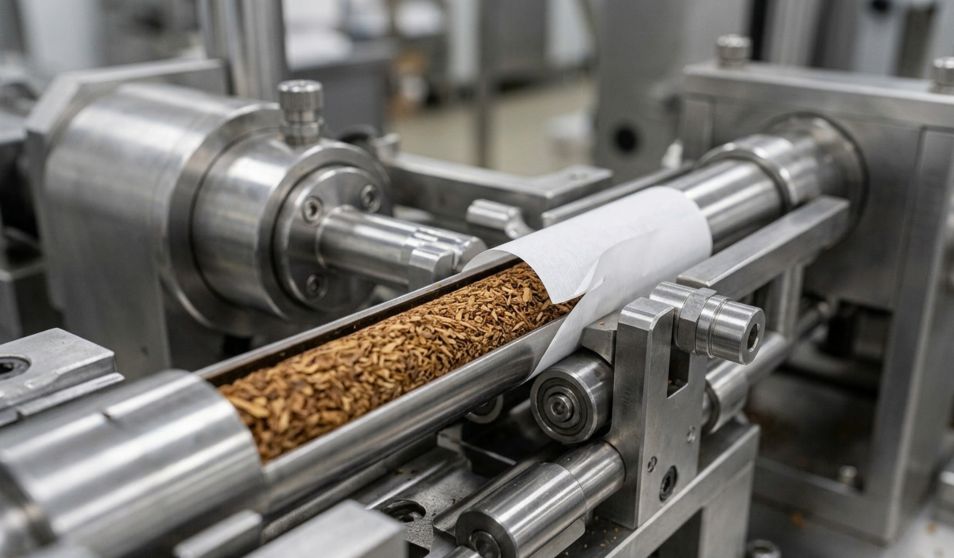
Cigarette rod formation is the part of cigarette making where metered cut filler is gathered into a continuous, uniform tobacco stream and compacted into a cylindrical shape of controlled density, ready to be wrapped in paper. It sits at the heart of the cigarette maker and has one core job: turn a variable, fluffy bulk material into a consistent, measurable rod.
The Stages of Rod Formation
1. Building the Tobacco Stream
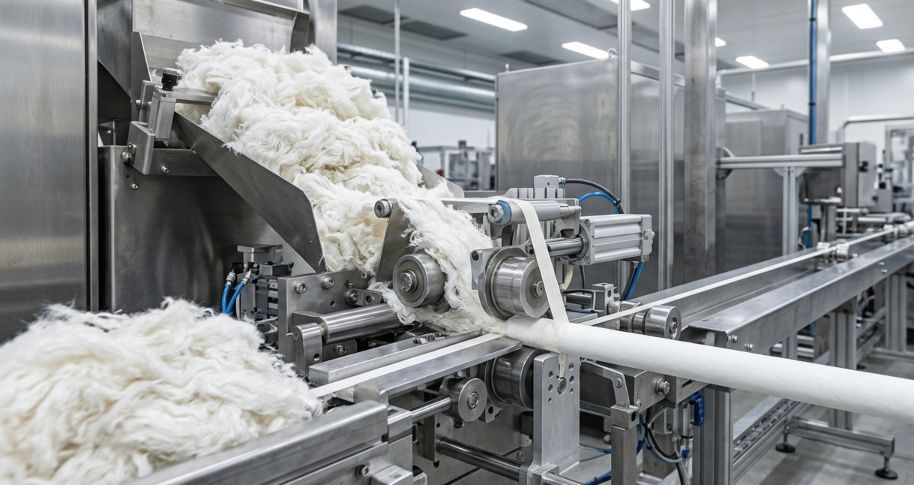
Cut filler is drawn from a hopper and distributed onto a conveyor in a layer of controlled thickness. In most makers this conveyor uses suction through a perforated or air-permeable band, which holds the tobacco in place and lets the stream travel at speed without scattering. Different maker designs use different feed and distribution mechanics, but the objective is the same: a stream that is even across its width and consistent along its length.
2. Trimming the Stream to Level
Once the stream is built, excess tobacco is removed by a trimming mechanism that levels the stream to a set height. The tobacco that is trimmed off is recirculated back into the feed system. This trimming stage is what fixes the quantity of tobacco per unit length, so its setting directly determines rod weight. Small adjustments here have a large effect on finished cigarette weight and cost per thousand.
3. Transfer to the Paper
The leveled stream is transferred from the suction conveyor onto the moving cigarette paper at the entrance to the garniture. This hand-off has to be clean. Any disturbance in the stream as it transfers shows up as a density variation in the finished rod.
4. Compaction and Shaping on the Garniture
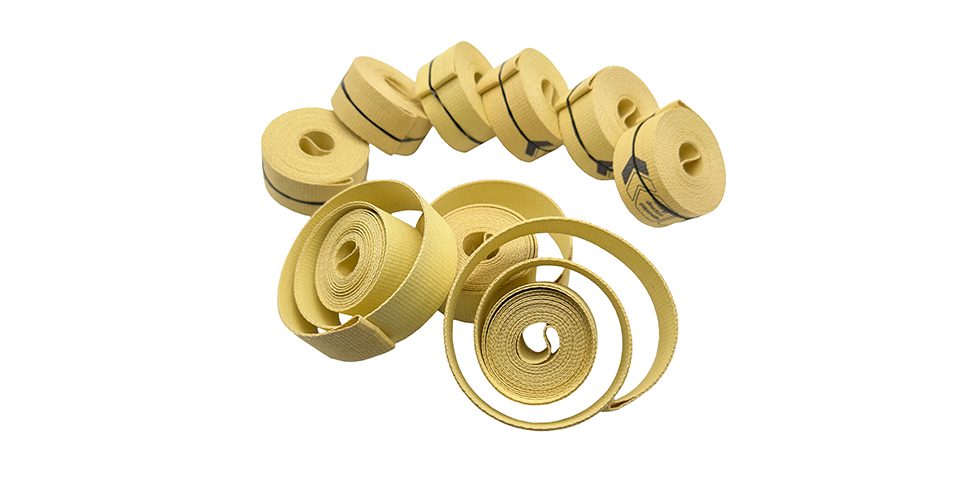
On the garniture, the tobacco and paper pass together through a shaping channel that compresses the stream into a round rod. The belt that carries the stream through this section is the garniture tape, and its condition has a direct influence on how evenly the rod is shaped. Our guide to garniture tape covers wear signs and replacement.
5. Paper Closure and Seam Sealing
As the rod is formed, the paper is folded around the tobacco and the seam is sealed with adhesive, locking the rod’s shape and fixing its circumference. The type of paper in use affects how the rod behaves here, as explained in our guide to cigarette paper types.
Density Control: The Core of Rod Formation
Rod density is the single most important output of the formation process, and it is controlled continuously rather than set once. Modern makers measure the density of the tobacco stream as it passes, often using radiation-based or optical sensors, and feed that reading back to adjust the trimming level in real time. If density creeps up, the system trims more tobacco. If it drops, it trims less. This closed-loop control is what holds rod weight steady at very high speeds, and it is the reason formation quality can stay consistent across a long production shift.
What Rod Formation Controls in the Finished Cigarette
Almost every physical property of the finished cigarette traces back to formation:
- Weight: set by how much tobacco is left after trimming.
- Firmness: set by how tightly the stream is compacted on the garniture.
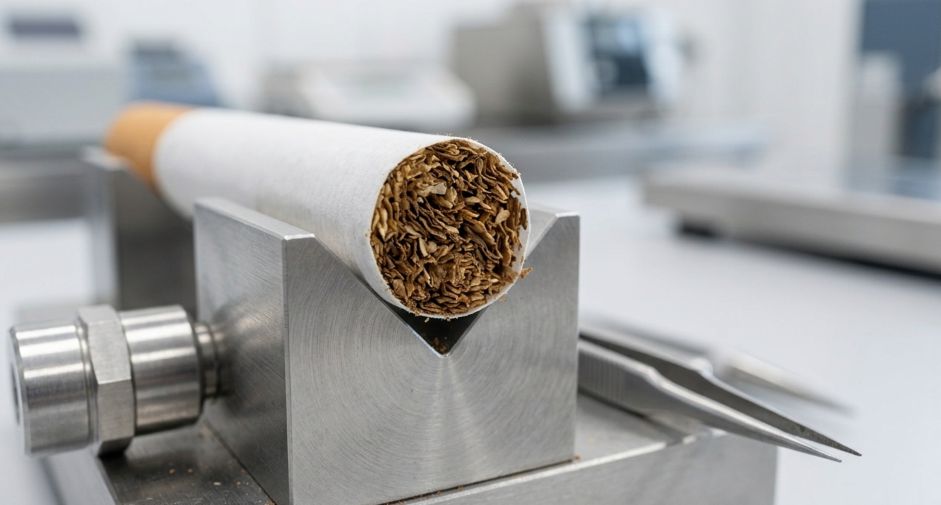
- Circumference: set by the shaping channel and paper closure. See our guide to cigarette circumference measurement.
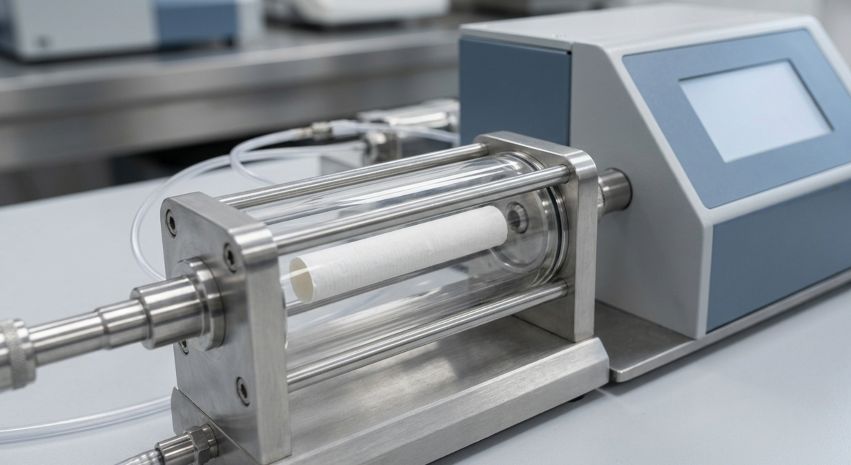
- Draw resistance: affected strongly by rod density. See our guide to cigarette draw resistance testing.
- End quality: influenced by density consistency near the cut point. See our guide to cigarette end fill.
Common Rod Formation Problems
Uneven stream distribution. If tobacco is not spread evenly across the conveyor, the rod ends up with dense and thin patches along its length.
Inconsistent tobacco moisture. Moisture affects how filler flows, packs, and holds its shape. Variation in the incoming blend shows up as density instability. Our guides to tobacco lamina processing and the tobacco expansion process show how upstream handling shapes how filler behaves at this stage.
Worn forming components. Worn garniture tape or shaping parts introduce variation that no amount of density control can fully correct.
Sensor or trimming calibration drift. If the density measurement drifts out of calibration, the control loop corrects toward the wrong target, and weight drifts with it.
How Rod Formation Is Verified
Formation quality is confirmed through in-line monitoring and regular sampling for weight, density, and circumference, supported by finished-stick checks such as pressure drop and draw resistance. These checks sit inside a wider quality system, described in our guide to cigarette manufacturing quality control.
Rod Formation Starts With the Right Machine
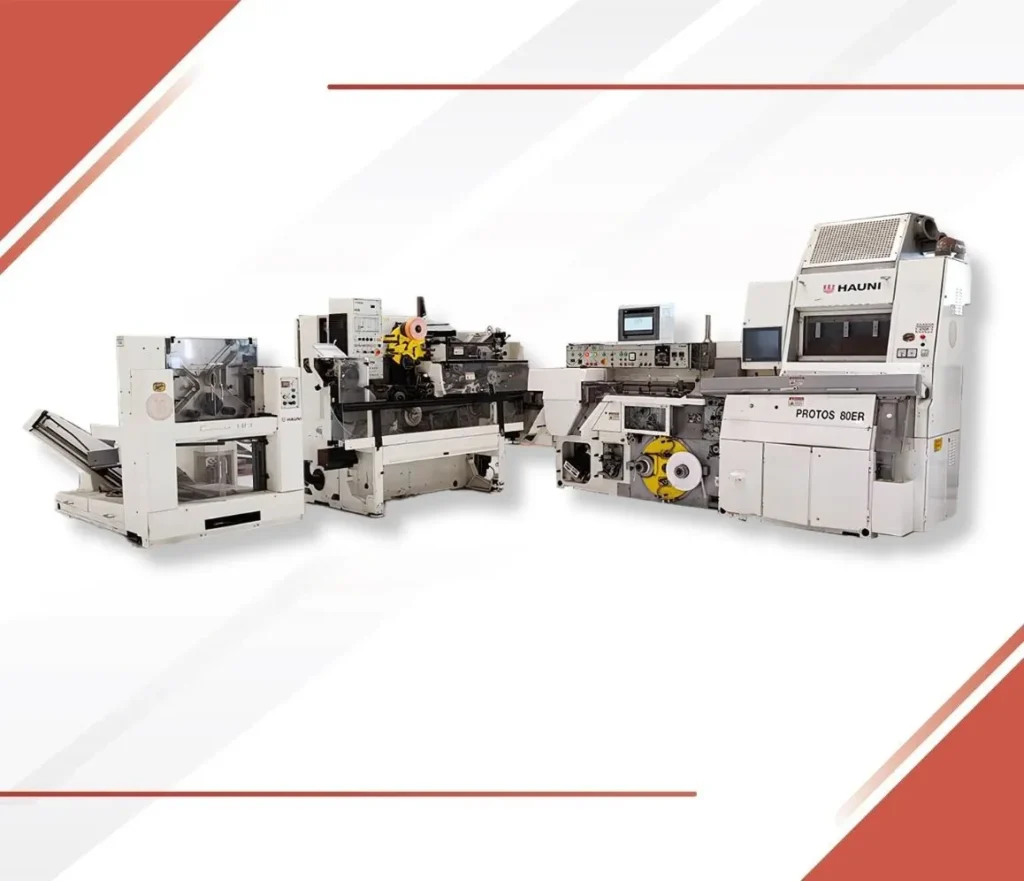
How well a factory controls rod formation depends heavily on the condition and capability of its cigarette making machines. A well-maintained maker with accurate density sensing and good forming components holds formation steady far better than a worn one, regardless of brand. If you are weighing machine options, our guide on choosing between Hauni and Molins walks through the main decision factors, and our tobacco machinery page shows the equipment and spare parts we supply.
For brand owners who would rather not run a production line at all, private label and contract cigarette manufacturing put your brand on a factory where formation control is already built into the process.
Final Thoughts
Cigarette rod formation turns loose cut filler into the uniform rod that every other stage depends on. Weight, firmness, circumference, and draw feel are all decided here, and they are held in place by continuous density control rather than a one-time setup. A factory that manages formation well, through good equipment, maintained wear parts, and calibrated sensing, produces cigarettes that feel the same from the first pack to the last.