Launching a cigarette brand for the US market is as much a paperwork project as a production project. Before a single carton can be sold, a manufacturer outside the Master Settlement Agreement (MSA) generally has to be registered with the right federal and state bodies, may need to post a bond in some states, and has to be listed in a state directory. Those steps usually get all the attention. The equipment that will actually produce the cigarettes tends to get far less.
This guide covers the equipment side of that launch. It explains how the regulatory process touches your production setup, how to size your first line around planned volume, and how batch coding supports your record-keeping. It is a planning guide for buyers and brand owners, written in general terms.
An important note up front: Orchid Tobacco does not handle permits, bonds, escrow deposits, or state directory listings. Those are legal and regulatory matters between you and the relevant authorities, and you should work with a qualified adviser on them. What we can help with is the machinery, spare parts, and production planning behind your brand.
Tobacco Machinery Suppliers in USA
The Master Settlement Agreement is the 1998 settlement between major US tobacco companies and state attorneys general. Manufacturers that did not join it are generally called non-participating manufacturers, or NPMs. In practice, state laws require NPMs to make annual escrow deposits tied to their cigarette sales in that state, and to be listed in a state directory before their cigarettes can be sold there.
That listing process usually involves a certification from the manufacturer that identifies its brands and confirms compliance with the state’s requirements. A cigarette brand that is not listed in a state’s directory generally cannot be legally sold in that state, so these steps decide whether your product ever reaches a shelf.
Each state runs its own process, and the details change from year to year, so always read the current forms for each state you want to sell in. As an example of the kind of information involved, Nevada’s 2026 non-participating manufacturer certificate of compliance asks for items such as:
Massachusetts describes a similar structure in general terms. Manufacturers outside the MSA make annual escrow deposits based on prior-year sales, and cigarette brands must be listed in the state directory to be sold. The exact documents differ by state.
It is easy to treat equipment as a separate topic from regulation, but applications can reach into your production setup. Some forms ask for details about the plant and what is manufactured there. The Nevada form, for example, asks applicants for a map of the permitted plant and photos of its interior showing tobacco manufacturing equipment. It also asks for disclosure of any contract manufacturing done for other companies.
That has practical consequences for planning:
None of this changes what the equipment does. It changes how carefully you should plan, document, and maintain it.
Escrow obligations follow units sold, so volume forecasting is not only a production question. It is a financial one. Over-ordering equipment ties up capital in a line that sits half idle, while under-sizing it leaves you unable to fill orders. Start from a realistic estimate of what you expect to sell in your first year, then work backward to the line you need.
A simple way to frame it is to convert planned volume into sticks per shift. As an illustration only, a line running at 4,000 sticks per minute for an eight-hour shift would make about 1.9 million sticks if it ran without a stop, which equals roughly 96,000 packs of twenty. Real output is lower once you allow for changeovers, maintenance, material feeding, and quality checks. Use that gap, not the rated speed, to size your plan.
For most new brands, the real choice is between a mid-capacity line and a used or refurbished line. Neither is automatically better. The right answer depends on your volume, budget, and tolerance for risk.
A mid-capacity line is generally easier to match to a new brand’s early volumes. It runs at a speed that a small team can feed, monitor, and maintain, and it avoids the cost of a very high-speed system you may not fill. It is a sensible fit if your forecast is modest but growing.
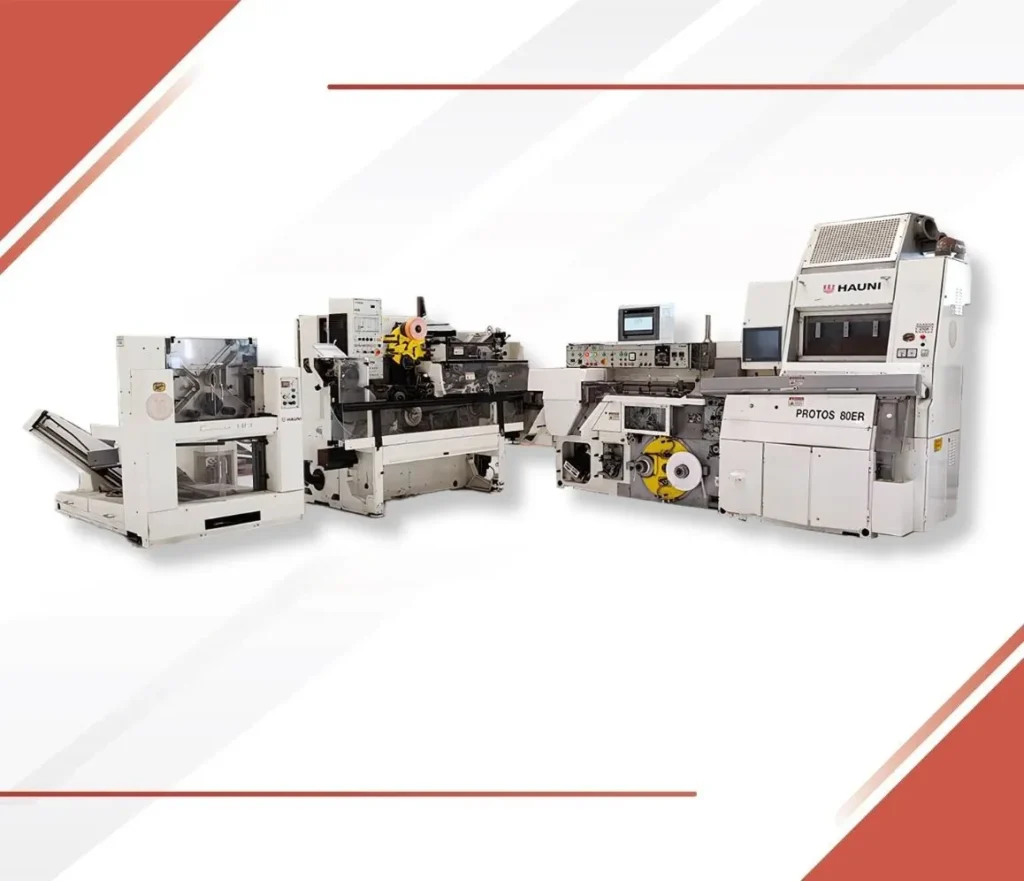
Used equipment can lower the entry price considerably, which matters when you are also funding escrow and other launch costs. The trade-off is condition. A used machine is only a good buy if it has been properly inspected, its spare parts are available, and you can see how it runs. Our guide on choosing between Hauni and Molins covers the main questions to ask when comparing machine brands and generations.
Whichever route you take, plan for growth. If you expect volume to rise, choose a line that can be extended, or confirm that a faster unit can be added later without rebuilding everything.
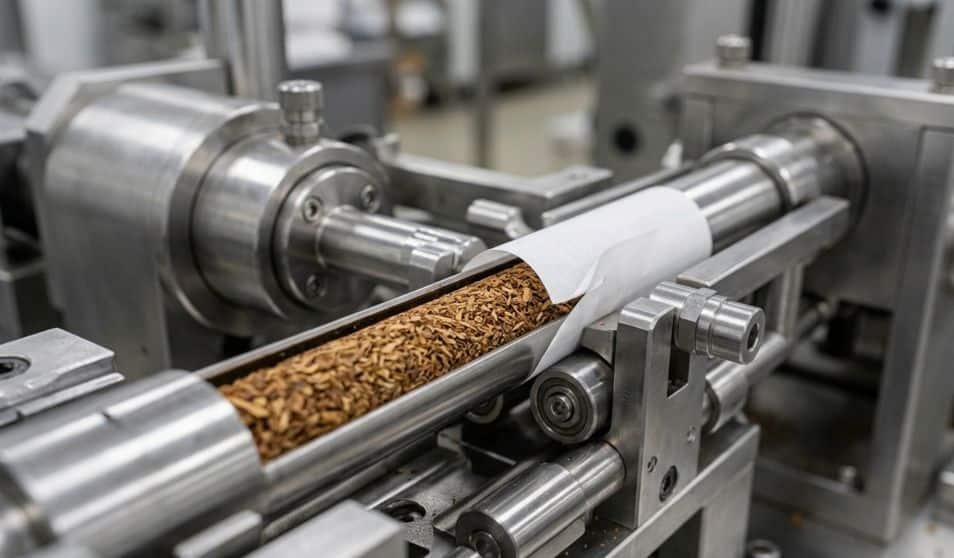
A cigarette line is a chain, and its output is set by the slowest link. Your cigarette making machines produce the rod, your cigarette filter making machines supply the filters, and your cigarette packing machines and soft pack lines put finished cigarettes into packs. A fast maker feeding a slow packer simply moves the bottleneck to the end of the line. See our tobacco machinery page for an overview of how the stages fit together.
The process behind the first stage is explained in our guide to the cigarette rod making process, and the materials involved are covered in our guide to cigarette paper types.
A line that is down cannot fill orders, and unfilled orders can disrupt both revenue and your reporting. Budget for spare parts from day one rather than treating them as an afterthought. Wear items such as garniture tape need regular replacement, and keeping stock on hand shortens downtime. Our spare parts section shows the range we supply, and our guide to garniture tape explains what to watch for.
Good records are easier to keep when product can be traced. Batch coding means marking packs, cartons, or cases with a code that identifies when and where a production run was made. It does not replace any legal requirement, and whether a particular code or marking is required in a given state is a question for your adviser or the state authority. What it does is make your own record-keeping far more manageable.
With batch codes in place, you can:
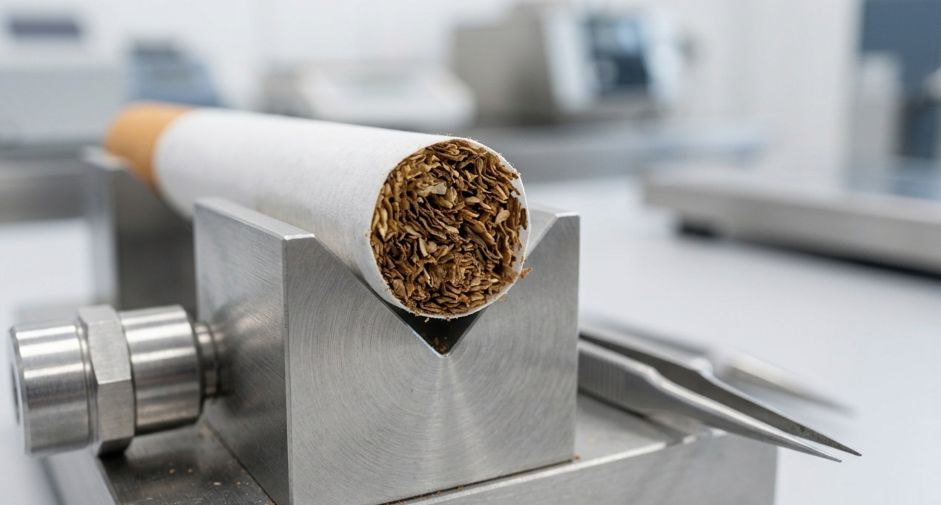
Coding is applied on the packing side of the line, so it is worth deciding what you need before you finalize your packing equipment. Choose coding capability together with the packer, not after it, and make sure your quality routine records the codes alongside your checks. Our overview of cigarette manufacturing quality control shows how those checks fit together across the whole process.
If buying and running a line is more than you want to take on at launch, a manufacturing partner can produce your cigarettes while you build the brand. Our guides to private label cigarette manufacturing and contract cigarette manufacturing explain how these arrangements work. Keep in mind that using a partner does not remove your own regulatory obligations as the brand owner, and some state forms ask applicants to disclose contract manufacturing arrangements. Confirm how this applies to you with your legal adviser.
Orchid Tobacco has decades of experience in cigarette manufacturing and supplies machinery and spare parts to factories worldwide. If you are planning a launch and want to talk through line sizing, machine options, or spare parts, contact our team. We can help with the equipment. For permits, bonds, escrow, and directory listing, please work with your legal and compliance advisers.
Launching a non-MSA cigarette brand means getting registered, bonded where required, and listed before you can sell. Behind those steps sits a production setup that has to be sized properly, documented clearly, and maintained reliably. Plan your first line around realistic volume, choose between mid-capacity and used equipment with your eyes open, keep spare parts on hand, and use batch coding to make your records manageable. Get the equipment side right, and the regulatory side has a solid operation behind it.
This article is a general overview and not legal or financial advice. Requirements for permits, bonds, escrow, and directory listing vary by state and change over time. Confirm current rules with the relevant authorities and a qualified adviser.

We specialize in the provision of Tobacco Machinery. Our expertise encompasses not only the trading of machinery but also extends to being a dedicated supplier. This specialization is enriched by our comprehensive solutions tailored for emerging Cigarette Companies. What sets us apart is our ability to offer firsthand insights through our active Cigarette Manufacturing operation in the UAE.