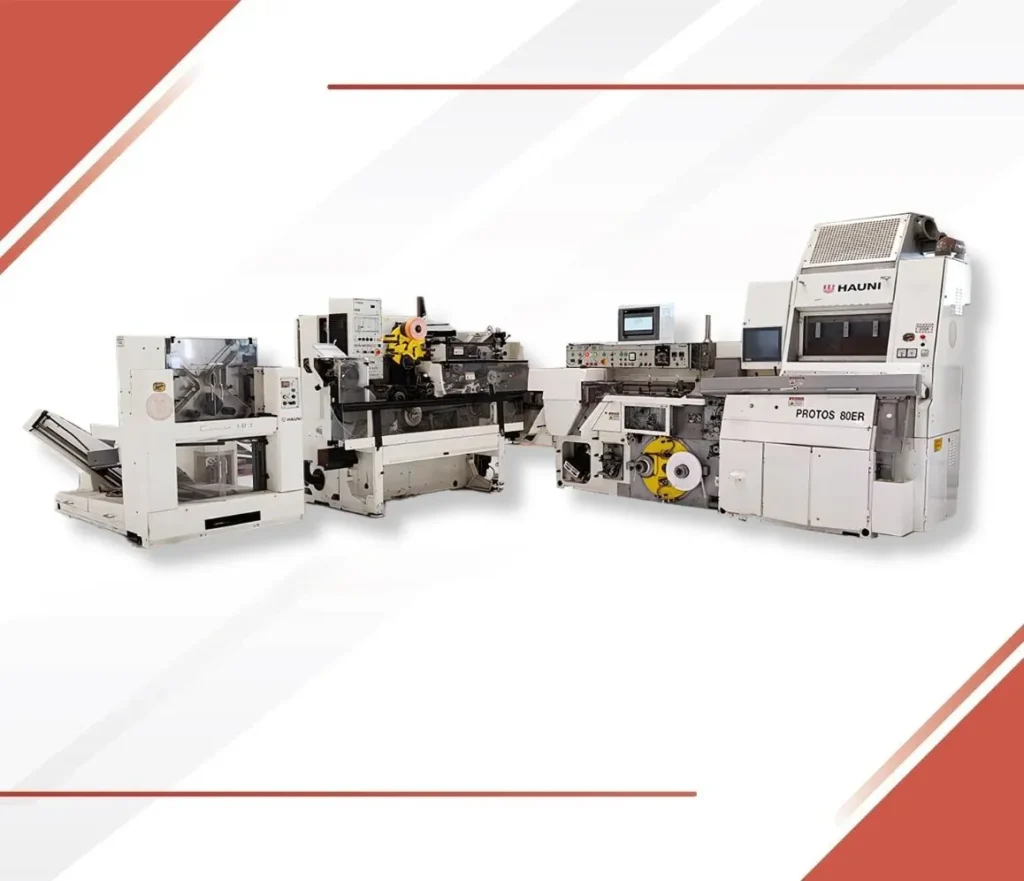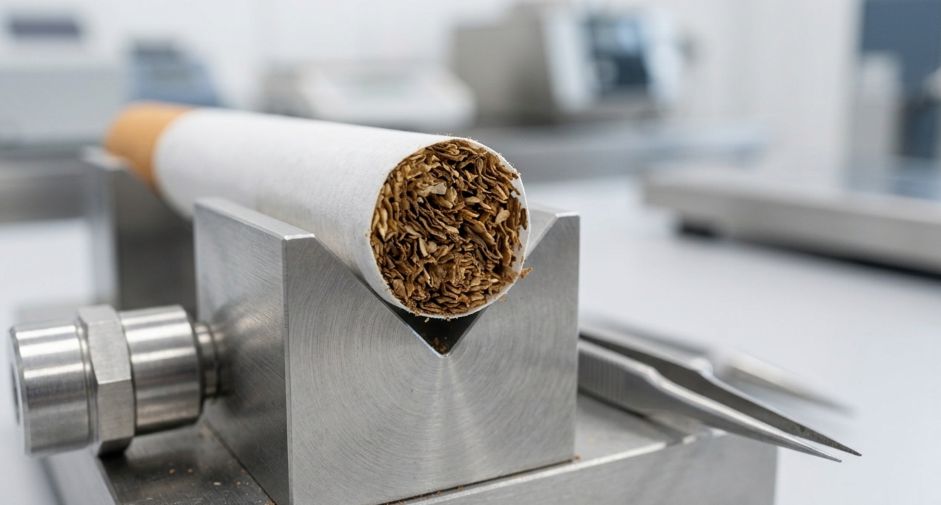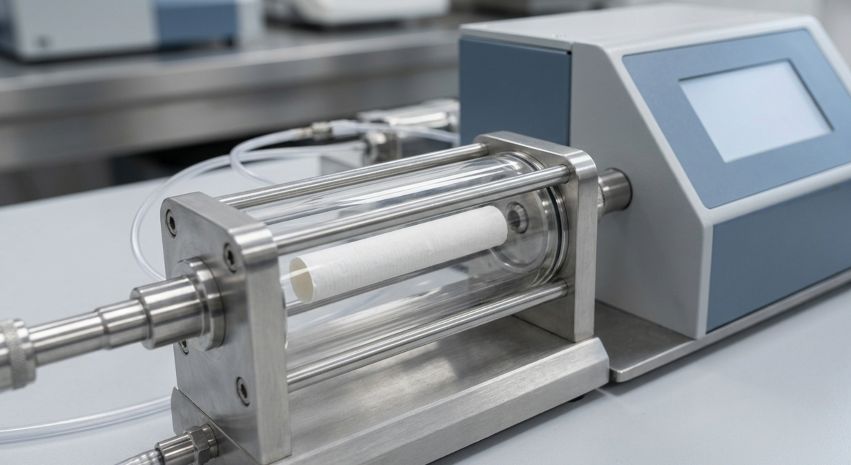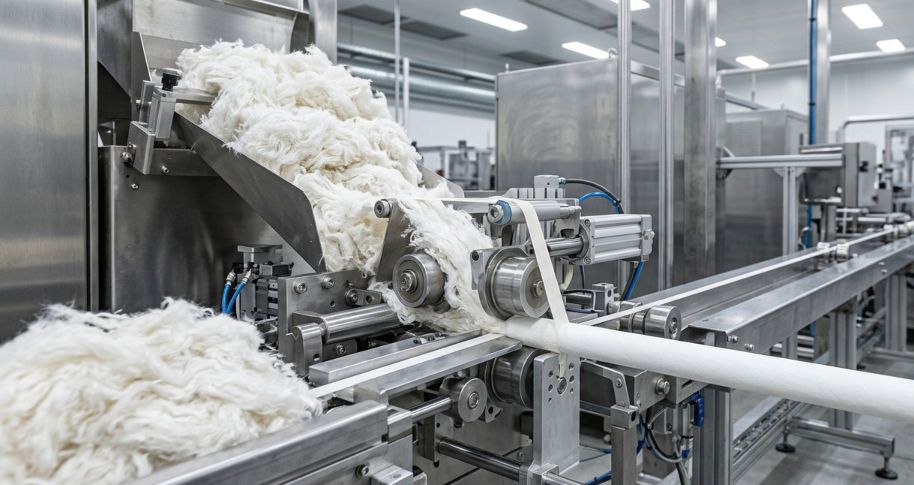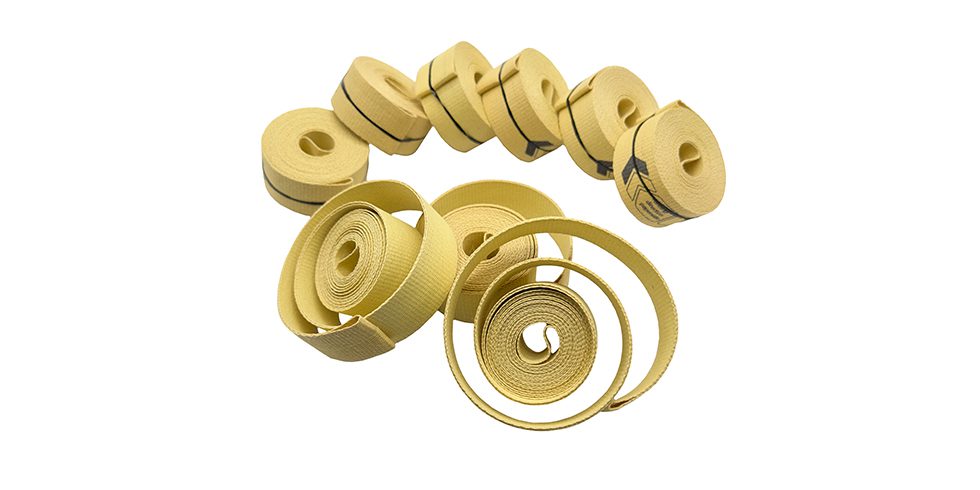
Inside every high-speed cigarette maker, a single continuous fabric belt does one of the most mechanically demanding jobs in the entire machine, carrying tobacco and paper through the rod-forming process thousands of times a minute, under constant friction, heat, and tension. That belt is the garniture tape, and its condition has more influence on rod quality and machine uptime than most operators give it credit for.
This guide covers what garniture tape actually is, what it’s made of, how to recognize wear before it causes a bigger problem, and how to choose the right replacement.
Garniture tape is the continuous belt that carries the tobacco stream and cigarette paper through the garniture section of a cigarette making machine, where loose cut filler is shaped into a rod and wrapped in paper. It’s the surface every cigarette physically forms on before it’s cut to length, which makes its condition directly responsible for how consistently that rod comes out.
Modern garniture tape is typically constructed from a woven fiberglass or high-performance synthetic fabric substrate, coated with PTFE, more commonly known by the trade name Teflon, to create a low-friction, heat-resistant, non-stick running surface. This combination matters because the tape is under constant mechanical stress, running at high speed while directly contacting tobacco, paper, and adhesive, and needs a surface that resists sticking, withstands heat from nearby sealing components, and holds its dimensional stability over long production runs.
Garniture tape carries the metered tobacco stream as it’s shaped into a rod profile, then continues carrying the tobacco through paper wrapping and seam sealing, described in more detail in our guide to the cigarette rod making process. Every stage of rod formation happens on or directly above this belt, so any inconsistency in the tape’s surface, tension, or tracking translates almost immediately into inconsistency in the finished rod.
A worn or damaged garniture tape doesn’t fail all at once. It degrades gradually, and the effects show up as quality problems well before the tape becomes visibly unusable. Tobacco spillage increases as the surface loses its ability to hold the stream cleanly. Rod shape becomes inconsistent, which shows up downstream in circumference measurement readings drifting out of tolerance. Seam sealing quality can suffer if the tape’s surface or tracking isn’t holding paper in precise alignment through the sealing stage. And beyond quality issues, a tape that’s failing mechanically, through fraying, stretching, or tracking problems, is a common cause of unplanned machine downtime, which is a far more expensive problem than a scheduled replacement.
Fraying or damaged edges. Visible fraying along the tape’s edges is one of the earliest and most obvious signs that replacement is approaching.
Coating degradation. PTFE coating that’s lost its non-stick quality, becoming tacky or showing visible wear patches, reduces the tape’s ability to release tobacco and paper cleanly.
Tracking issues. A tape that drifts out of alignment during operation, rather than running true, often signals internal wear or stretching that isn’t necessarily visible from the surface.
Visible grooving or scoring. Physical marks worn into the tape’s surface from prolonged contact with other machine components indicate the tape is nearing the end of its usable life.
Stretching. Tape that has stretched beyond its original dimensions changes tension across the garniture and can affect rod formation even before any other visible wear appears.
Garniture tape is manufactured to specific width and length dimensions tied to the exact machine model it’s running on, along with a defined PTFE coating grade suited to the machine’s operating speed and temperature. Seamless, endless belt construction is generally preferred over jointed tape for high-speed production, since a seam or joint introduces a recurring point of inconsistency every time it passes through the forming process, which becomes increasingly problematic the faster the machine runs.
Garniture tape should be inspected on a regular schedule rather than only when a visible problem appears, since much of the degradation that matters most happens gradually and isn’t always obvious during routine operation. Replacement is generally better scheduled around actual running hours rather than fixed calendar intervals, since wear is driven by production volume and speed, not time on the calendar. Keeping replacement tape in stock rather than ordering reactively after a failure is one of the simpler ways factories reduce unplanned downtime, since garniture tape is a wear component that will eventually need replacing on every running machine regardless of how well it’s maintained.
Machine compatibility is the first and most important factor, since tape width, length, and coating specification all need to match the exact maker model in use. Sourcing tape that’s slightly mismatched in width or tension can cause tracking problems that look like a mechanical fault on the machine itself, when the actual cause is an incorrect part. Quality of construction also matters more than price alone, since a poorly made tape wears faster and can introduce quality problems well before its expected service life is up, ultimately costing more in downtime and rework than a higher quality tape would have.
Orchid Tobacco supplies garniture tape and a full range of other spare parts for cigarette manufacturing equipment, sourced and specified to match major machine brands and models used across the industry. Our garniture tape stock is available for factories looking to keep replacement parts on hand rather than facing extended downtime waiting on an order after a failure. If you’re not sure which specification matches your machine, our team can help confirm the right tape before you order.
Garniture tape rarely gets much attention until it fails, but it’s running under constant mechanical stress at the exact point where every cigarette physically takes shape. Watching for early wear signs, replacing tape on a running-hours schedule rather than reactively, and sourcing the correct specification for your machine are simple, low-cost practices that prevent a small, predictable wear component from turning into an unplanned production stoppage.

We specialize in the provision of Tobacco Machinery. Our expertise encompasses not only the trading of machinery but also extends to being a dedicated supplier. This specialization is enriched by our comprehensive solutions tailored for emerging Cigarette Companies. What sets us apart is our ability to offer firsthand insights through our active Cigarette Manufacturing operation in the UAE.