Ask a room of cigarette factory engineers which machine brand is better and you will start an argument that has run for decades. Hauni and Molins are the two names that dominate the conversation around cigarette making machines, and both have produced equipment that is still running in factories around the world today. The honest answer to “which one should I choose” is that neither wins outright. The right choice depends on your output target, your budget, the age of the machine, and how well you can source parts and technical support where you operate.
This guide compares Hauni and Molins on the factors that actually matter when buying, and gives you a practical way to decide between them.
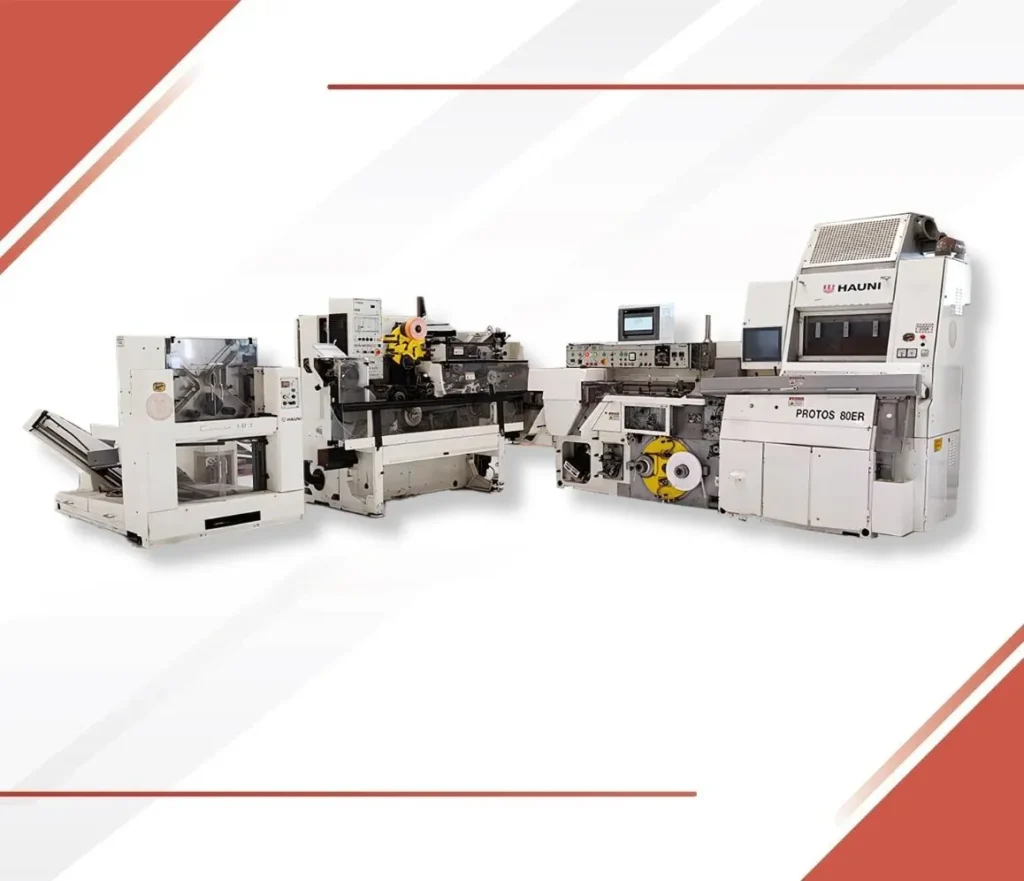
Hauni is a German manufacturer founded in Hamburg in 1947 and now part of the Körber group. It is widely regarded as the largest supplier of tobacco processing, filter making, and cigarette making technology in the world. Its Protos line of cigarette makers is among the best known high-speed machines in the industry.
Molins is a British manufacturer with a history reaching back to the early 20th century. Its Mark series of cigarette makers, including the Mark 8 introduced in 1959 and the Mark 9 introduced in 1972, became fixtures in factories worldwide. Molins is now part of the G.D group, within the Coesia group, and is positioned around mid-speed cigarette makers, packers, and handling equipment.
| Factor | Hauni | Molins |
|---|---|---|
| Origin | Hamburg, Germany | United Kingdom |
| Best known machine lines | Protos series | Mark series (Mk8, Mk9 and later models) |
| Typical positioning | High-speed, high-output production | Low to mid-speed production |
| Used market | Large pool of machines across many generations | Large pool of older machines, often lower entry price |
| Technical complexity | More advanced controls on newer models | Simpler mechanical design on older models |
| Best fit | Larger factories and speed-focused expansion | New brand owners, smaller runs, budget-conscious buyers |
These are general tendencies, not guarantees. Individual models within each brand vary enormously by generation, so always compare specific machine models rather than brand names alone.
Production speed is the first filter. If you are planning high daily volumes, a high-speed Hauni line is usually the natural fit. If you are launching a new brand, running smaller batches, or building capacity gradually, a mid-speed Molins maker can be a more sensible and affordable starting point. Buying far more speed than your market can absorb is a common and expensive mistake, since faster machines also demand more tobacco, more filter supply, and a packing line able to keep up.
Entry price differs widely between models, and condition matters as much as brand. Older Molins machines in the Mark series often enter the market at lower prices than comparable Hauni lines, which is one reason they remain popular with first-time factory owners. Newer high-speed Hauni equipment sits at the other end of the budget range. Whichever brand you consider, compare the total cost of ownership, not just the purchase price, including installation, spare parts, and the cost of downtime.
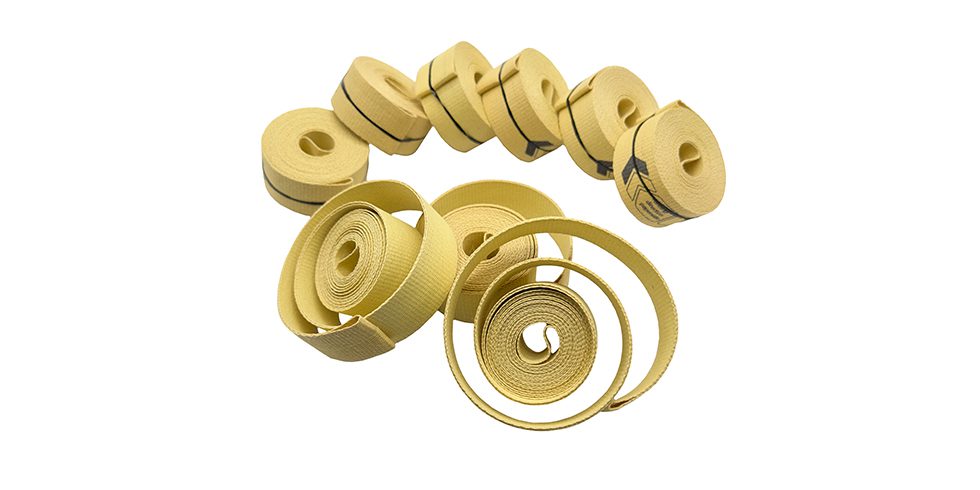
This is the factor buyers underestimate most. A machine is only as useful as your ability to keep it running. Wear components such as garniture tape need regular replacement on any maker, and our guide to garniture tape explains why. Before committing to a machine, confirm that parts for that specific model are readily available through a reliable supplier. Our spare parts section covers the range of components we supply for cigarette manufacturing equipment.
The best machine on paper is a poor choice if nobody nearby knows how to service it. Check whether experienced technicians for your chosen brand and model are available locally or through your supplier. Operator familiarity matters too. A team trained on one brand will usually be productive faster on that brand than on a new one.
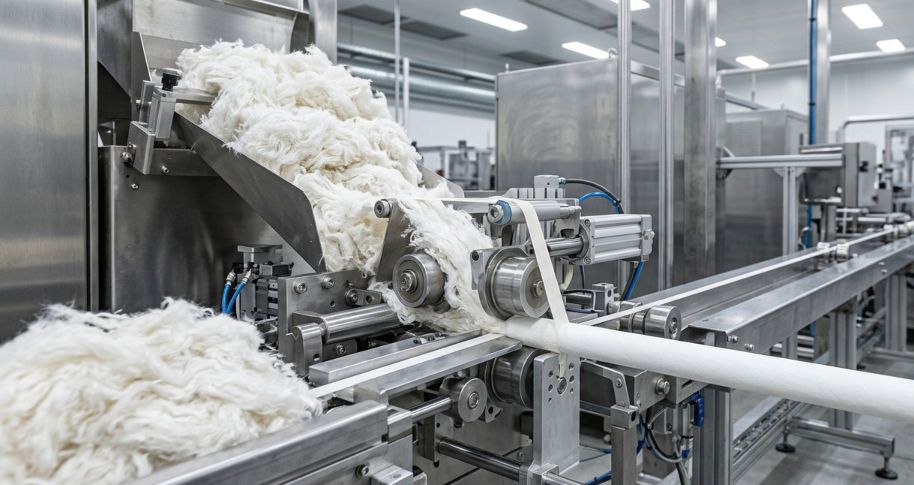
A cigarette maker never works alone. It feeds a filter attachment stage and then a packing line, and the whole chain has to be speed-matched. Your maker choice should be made together with your packing and filter equipment. See our overview of cigarette making machines, cigarette filter making machines, cigarette packing machines, and soft pack lines to see how the stages fit together. A fast maker feeding a slow packer simply moves the bottleneck down the line.
For used or refurbished machines, condition outweighs brand reputation. Ask for production history, the extent of any refurbishment, and whether the machine can be seen running. A well-maintained older machine of either brand is a better purchase than a neglected one from the supposedly better brand.
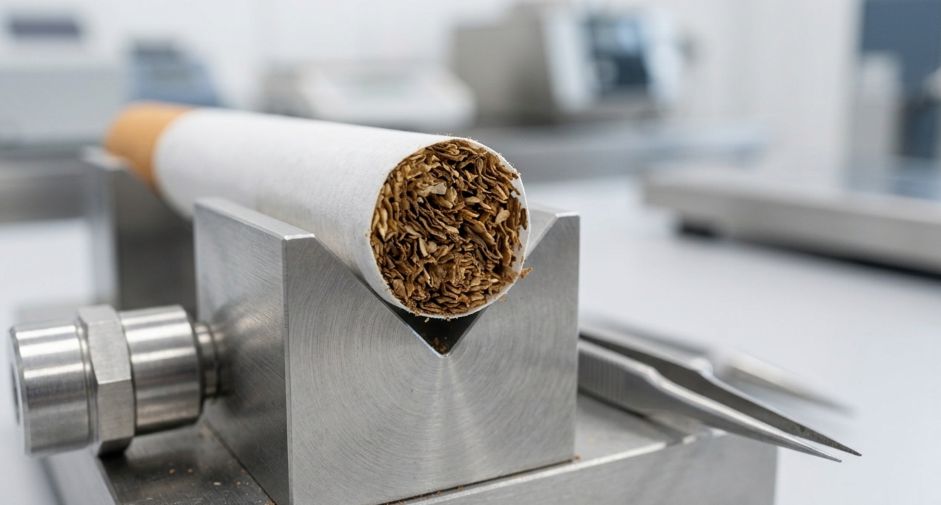
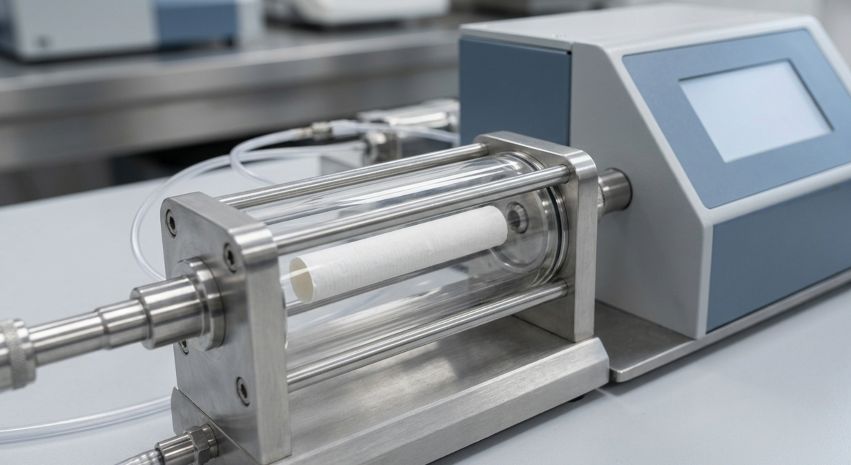
Both brands are capable of producing consistent, high-quality cigarettes when properly set up and maintained. Finished quality depends far more on calibration, tobacco feed consistency, paper handling, and maintenance discipline than on the badge on the machine. Many of the measurements that define quality, including draw resistance, circumference, and pressure drop, trace back to how well the maker is set up, as described in our guide to the cigarette rod making process. A broader view of how these checks connect is in our guide to cigarette manufacturing quality control.
That last option is worth taking seriously. If the capital cost of a production line is a stretch, private label cigarette manufacturing and contract cigarette manufacturing let you launch a brand on an established factory’s equipment, with no machinery purchase required.
Choosing between brands is easier with someone who has worked on both. Orchid Tobacco has decades of experience in cigarette manufacturing and works with factories on machinery selection and spare parts supply. Visit our tobacco machinery page to see what we offer, or contact our team to discuss your output target and budget.
The Hauni versus Molins question has no universal answer. Hauni generally leads on high-speed output, while Molins has long been a practical, accessible choice for mid-speed production and newer entrants. What matters most is matching the machine to your volume target, your budget, your spare parts access, and the technical support available to you. Choose the specific model that fits your situation, inspect its condition carefully, and plan the whole production line around it rather than the maker alone.

We specialize in the provision of Tobacco Machinery. Our expertise encompasses not only the trading of machinery but also extends to being a dedicated supplier. This specialization is enriched by our comprehensive solutions tailored for emerging Cigarette Companies. What sets us apart is our ability to offer firsthand insights through our active Cigarette Manufacturing operation in the UAE.