A modern cigarette factory produces thousands of finished sticks every minute, which leaves almost no room for a defect to be caught the old-fashioned way, by someone noticing it after the fact. Cigarette manufacturing quality control is the system that holds that speed accountable to a consistent standard, running checks at every stage from raw leaf through to the finished pack, catching problems before they compound into an unsellable batch.
This guide walks through what cigarette manufacturing quality control actually covers, stage by stage, and points to a deeper look at each specific test for anyone who wants the full technical detail.
Quality control in cigarette manufacturing isn’t a single inspection at the end of the line. It’s a layered system of checks running from the moment raw tobacco arrives at a factory through to the final packed carton, each stage catching a different category of problem before it can propagate downstream. A defect introduced early, in leaf grading or blend composition, is far cheaper to catch there than after it’s already been formed into thousands of finished cigarettes.
Quality control starts before tobacco ever reaches a production line, with inspection of incoming leaf for moisture, chemical composition, and physical condition, and with the threshing and grading process that separates usable lamina from stem. Our guides to tobacco quality inspection methods and tobacco lamina processing cover this stage in full technical detail.
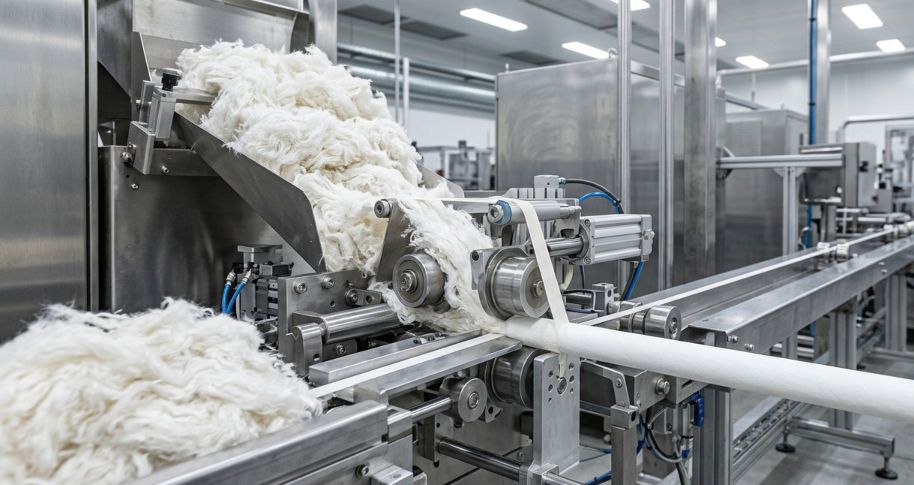
Natural leaf is combined with engineered filler components, including expanded tobacco and reconstituted sheet, at ratios set during product development to hit a target cost, volume, and flavor profile. Consistency at this stage depends on tightly controlling the processes that produce these components in the first place, covered in our guides to the tobacco expansion process and tobacco reconstituted sheet manufacturing.
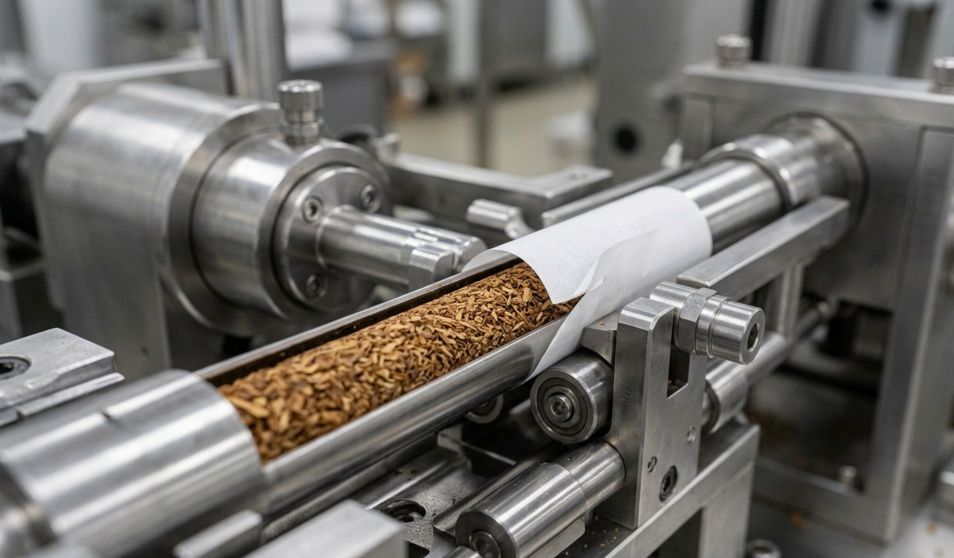
Cut filler is formed into a continuous rod and wrapped in cigarette paper at high speed, a process where even minor inconsistency in tobacco feed, paper tension, or seam sealing shows up immediately in the finished rod’s weight, density, and shape. This is covered in depth in our guide to the cigarette rod making process, and the paper itself, along with how its porosity and additives affect burn and ash characteristics, is covered in our guide to cigarette paper types.
Filters are produced on a separate line from cellulose acetate tow, bonded with plasticizer, and formed into rods with their own hardness and pressure drop targets. Quality control here focuses on rod consistency before the filter is ever joined to a tobacco rod, detailed in our guide to cigarette filter rod manufacturing.
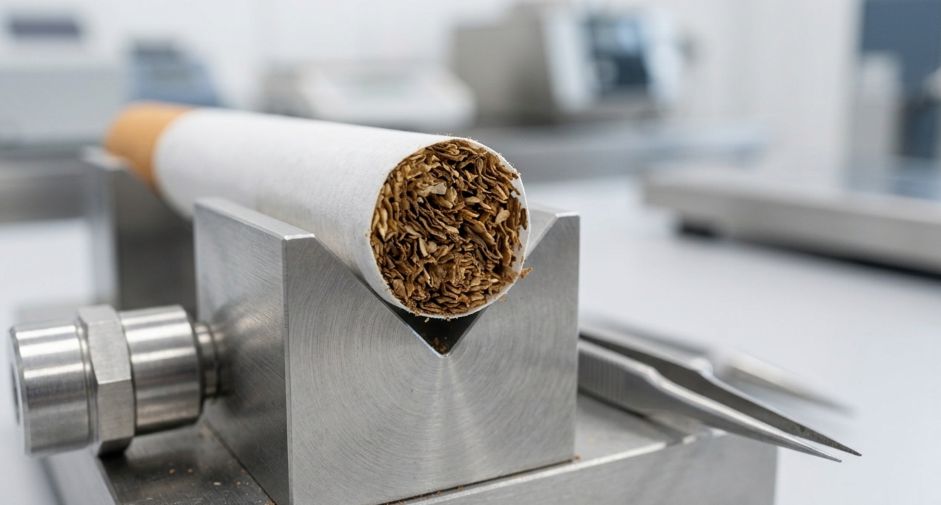
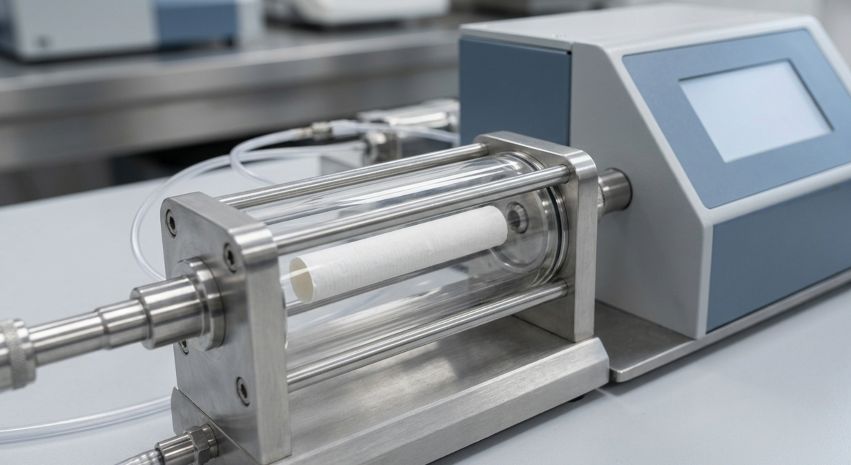
Once tobacco rod and filter are combined into a finished cigarette, three physical measurements form the core of ongoing production testing. Draw resistance testing confirms the pressure required to draw air through the finished stick sits within target range. Circumference measurement checks the rod’s diameter against its declared format. Ventilation testing confirms filter perforation is delivering the intended tar and nicotine dilution. These three checks, run continuously through a production shift, catch the majority of physical quality issues before a batch moves any further down the line.
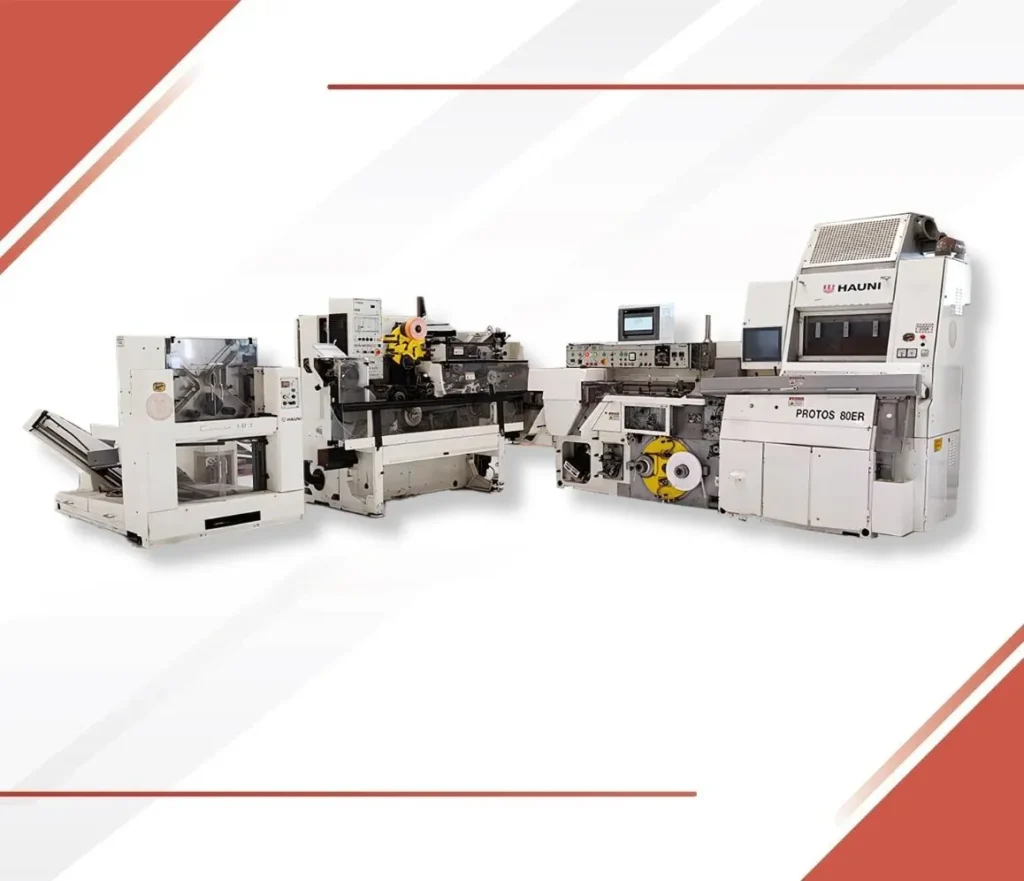
Quality control continues past the maker and into packing, where checks shift toward pack integrity, weight consistency, and count accuracy, confirming each pack contains the correct number of cigarettes, seals correctly, and matches carton weight tolerances before cases are sealed for shipment. Packing-stage defects are often mechanical in nature, tied to how consistently upstream product feeds into cartoning and wrapping equipment, which is part of why packing line performance is closely connected to how well earlier stages held their own tolerances.
Running every check as a one-off spot test would catch some problems but miss the gradual drift that causes most real production issues. Modern cigarette manufacturing relies on statistical process control, tracking test results over time against defined tolerance bands rather than judging each reading in isolation. A single draw resistance reading slightly outside target might be noise. The same reading trending steadily in one direction across a shift is a signal that something upstream, tobacco feed, paper tension, machine calibration, needs attention before the batch drifts fully out of spec.
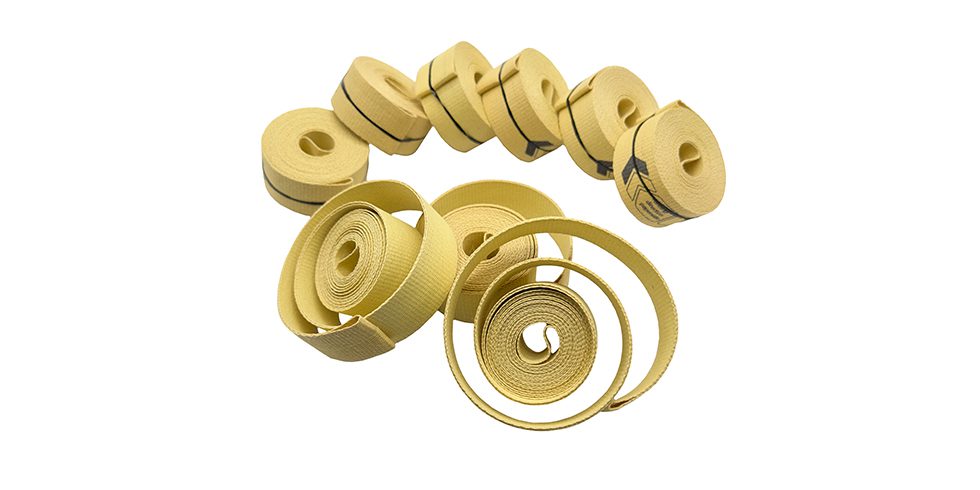
Quality control isn’t only about testing the product. Equipment condition directly determines how consistent that product can be in the first place. Wear components like garniture tape degrade gradually and, left unaddressed, introduce exactly the kind of drift that statistical process control is designed to catch. A quality program that only tests output without also tracking equipment condition and maintenance schedules is missing half the picture.
For companies sourcing production through private label or contract manufacturing arrangements, the depth and discipline of a manufacturer’s quality control process is one of the clearest indicators of how consistent the finished product will actually be, run after run. A factory that can walk through its testing regime at every stage, rather than only describing a final inspection, is generally the safer choice for a brand planning to build long-term customer loyalty around a consistent product.
Cigarette manufacturing quality control is a system, not a single checkpoint, running from raw leaf grading through blend engineering, rod and filter formation, finished cigarette testing, and packing line checks, all held together by statistical monitoring and disciplined equipment maintenance. No single test tells the full story. It’s the combination, applied consistently across every stage, that separates a factory capable of reliable, repeatable production from one that’s simply hoping each batch turns out fine.

We specialize in the provision of Tobacco Machinery. Our expertise encompasses not only the trading of machinery but also extends to being a dedicated supplier. This specialization is enriched by our comprehensive solutions tailored for emerging Cigarette Companies. What sets us apart is our ability to offer firsthand insights through our active Cigarette Manufacturing operation in the UAE.