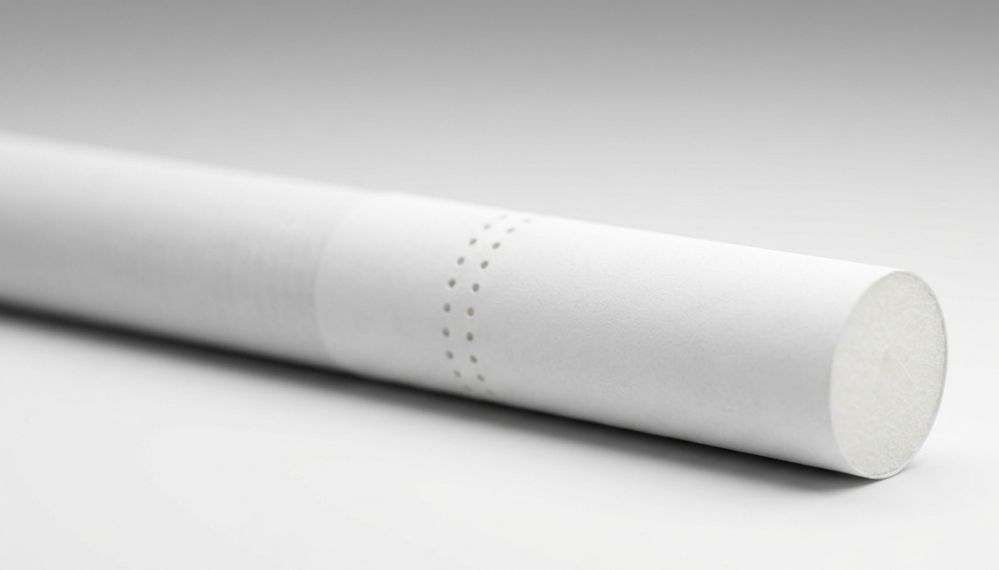
Look closely at the filter end of most modern cigarettes and there’s a faint ring of tiny perforations circling the tipping paper, invisible from a normal distance but doing real work every time someone draws. Those perforations let ambient air mix into the smoke stream, diluting it before it reaches the mouth. Cigarette ventilation testing measures exactly how much of that dilution is happening, and it’s one of the more consequential quality checks in cigarette manufacturing because it directly shapes declared tar and nicotine yields.
This article covers what cigarette ventilation testing measures, how filter ventilation is created, how it’s tested, and why it matters for both compliance and consistency.
Cigarette ventilation testing measures the ventilation ratio, the percentage of air drawn through a lit cigarette that enters through filter perforations from the surrounding atmosphere rather than being pulled through the tobacco rod itself. A cigarette with no perforations has essentially zero ventilation, meaning all drawn air passes through the burning tobacco. A cigarette with a wide perforation band can have a large share of drawn air bypass the rod entirely, diluting the smoke that actually reaches the filter tip.
Ventilation is closely related to draw resistance but measures a different thing. Draw resistance is about how hard it is to pull air through the cigarette overall. Ventilation is about where that air actually comes from.
Tar, nicotine, and carbon monoxide yield. Standardized smoking machine testing measures these yields under fixed conditions, and ventilation has a direct, measurable effect on the results, since diluted smoke delivers less tar and nicotine per puff for a given tobacco rod. Ventilation is one of the primary engineering levers manufacturers use to hit a target declared yield.
Regulatory compliance. Many markets require tar, nicotine, and CO yields to be declared on packaging or reported to regulators, based on standardized testing. Ventilation that drifts from spec shifts those yields, which can create a genuine compliance mismatch between what’s declared and what a batch actually delivers.
Brand consistency. Perceived smoke strength and mouthfeel are affected by ventilation, and inconsistent ventilation across a production run creates a product that smokes differently pack to pack even when the tobacco blend itself hasn’t changed.
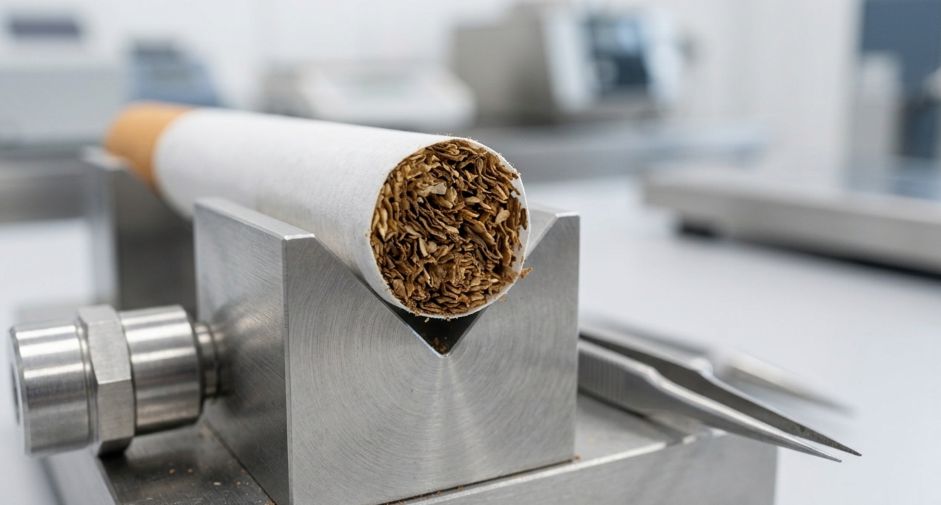
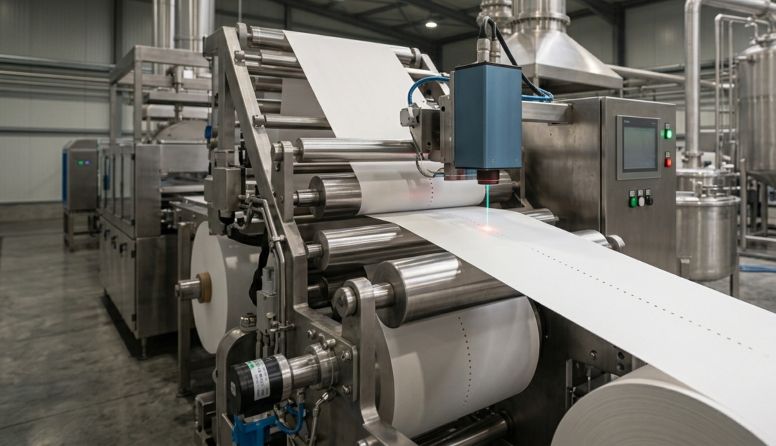
Ventilation is typically created by perforating the tipping paper, the outer paper wrapping the filter section, in a defined band using laser perforation equipment integrated into the filter attachment stage of production. Laser perforation allows precise control over hole size, density, and pattern, which is what lets manufacturers hit a specific target ventilation percentage rather than an approximate one. Some approaches also use inherently porous tipping or plug wrap materials to achieve a baseline level of ventilation without laser perforation, though laser-perforated bands remain the more common and more precisely controllable method in modern production.
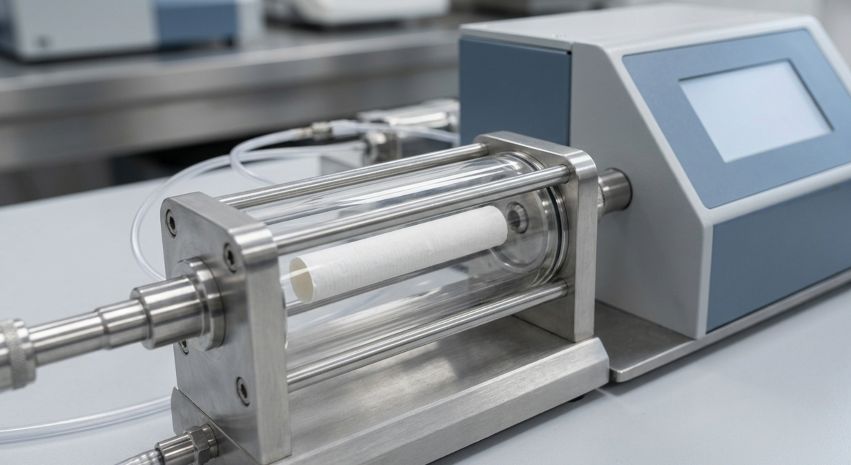
Ventilation testing typically compares airflow through a cigarette under two conditions at the same standardized flow rate. First, the cigarette is tested normally, with its perforations open and functioning as intended. Then the perforation band is sealed, blocking the ventilation holes, and the cigarette is tested again under identical conditions. The difference between the two readings gives the ventilation ratio, expressed as a percentage of total drawn air that was entering through the perforations rather than through the rod.
This kind of testing is generally carried out under standardized conditioning atmospheres and flow rates consistent with ISO 9512, the international standard covering ventilation definitions and measurement principles, alongside equivalent CORESTA Recommended Methods used across the industry for comparable, repeatable results between labs and manufacturers.
Ventilation levels vary enormously by product positioning and have no single industry-standard target. Cigarettes without any deliberate ventilation feature sit near zero. Products historically marketed with lower tar profiles have used considerably higher ventilation, in some cases with a substantial share of drawn air entering through perforations rather than the rod. Regulatory changes in many markets restricting descriptors like “light” or “mild” haven’t eliminated ventilation as a manufacturing technique, since the physical yield reduction it produces is independent of what a pack is allowed to say about it. Every brand’s target ventilation is set during product development based on its intended tar and nicotine profile.
Perforation size, density, and pattern. More holes, larger holes, or a wider perforation band all increase the ventilation ratio. Laser perforation settings are calibrated precisely to hit a target figure.
Perforation band position. Where the perforated band sits relative to the mouth end of the filter affects both the measured ventilation and how easily a smoker’s fingers or lips can inadvertently cover some of the holes during actual use, a well-documented factor in why standardized machine-measured yields don’t always match real-world smoking behavior.
Tipping paper porosity. Beyond deliberate perforation, the inherent porosity of the tipping paper itself contributes a baseline ventilation level that has to be accounted for alongside the laser-perforated component.
Filter and plug wrap specification. The materials used in filter construction can add or reduce airflow resistance in ways that interact with ventilation readings, which is part of why filter and ventilation specifications are usually developed together rather than independently.
Ventilation drifting outside its target range shifts declared tar and nicotine yields, which can create labeling accuracy and regulatory compliance issues depending on the market. It also changes the actual smoking experience, since a batch with lower-than-intended ventilation delivers a noticeably stronger draw and smoke than the same blend at its intended ventilation level, and regular smokers of a brand tend to notice that shift even without understanding the mechanism behind it.
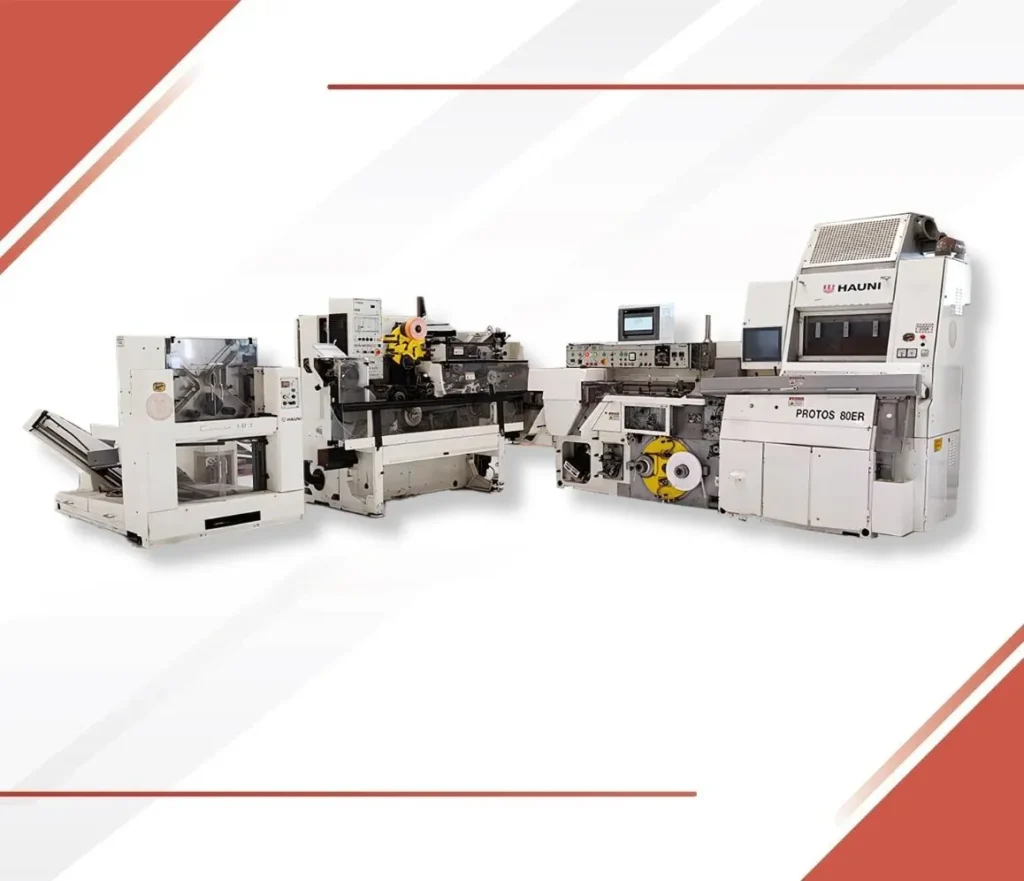
Ventilation is engineered at the filter attachment stage, where tipping paper is applied and perforated on cigarette filter making machines integrated with the broader cigarette making machines line. Because it’s set at the point of filter attachment, ventilation calibration has to be checked regularly as part of routine quality control rather than assumed to hold steady once initially configured, since perforation equipment, like most precision components, is subject to gradual wear and periodic recalibration. A full overview of how these production stages connect is available on our tobacco machinery page.
For brand owners working through private label or contract manufacturing arrangements, target tar and nicotine yield is typically part of the initial product brief, and ventilation is the manufacturing lever that actually delivers it. It’s worth asking a prospective manufacturer directly how they test and control ventilation, since it’s a reliable indicator of how seriously they treat batch-to-batch consistency.
Cigarette ventilation testing measures something invisible to the eye but central to how a cigarette actually performs against its declared specifications. It ties filter engineering directly to regulatory yield reporting and brand consistency, and even small drift in perforation calibration has outsized effects on both compliance and the finished smoking experience. Alongside draw resistance and circumference, it’s one of the physical measurements worth understanding when evaluating how disciplined a manufacturer’s production and quality control process actually is.