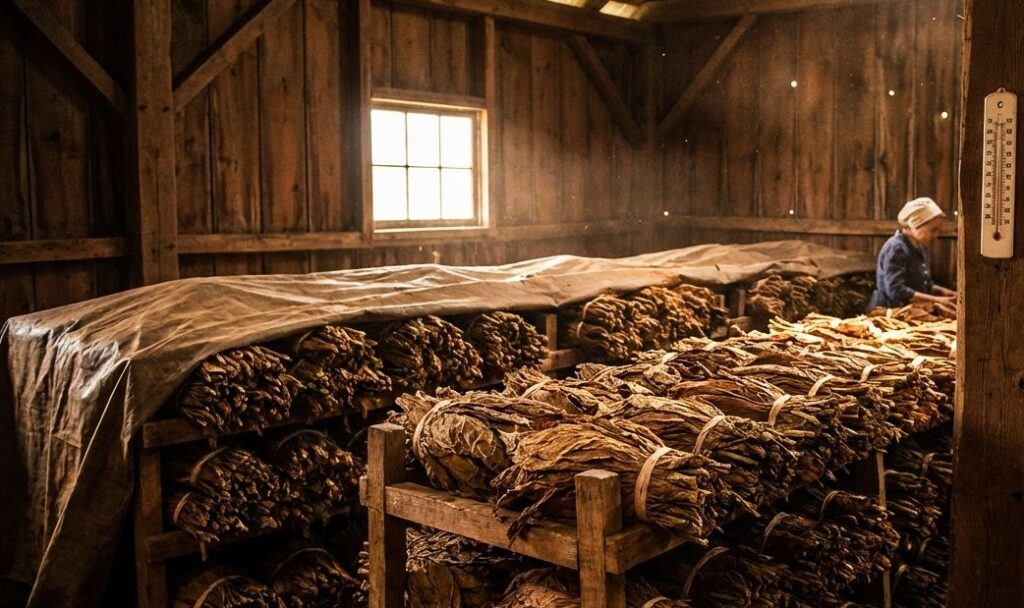
Tobacco blending is one of the most critical stages in cigarette manufacturing. While cutting, conditioning, and packing are essential, the way tobacco is blended directly determines combustion behavior and aroma quality. A well-designed blend ensures a smooth burn, stable ash, balanced smoke chemistry, and a consistent aromatic profile that consumers recognize and expect.
In modern manufacturing environments, tobacco blending is no longer a manual craft alone—it is a science supported by advanced tobacco machinery, precision controls, and data-driven processes. This article provides a complete guide on how tobacco blending influences combustion and aroma, and why it plays a decisive role in cigarette performance from production to consumption.
Tobacco blending is the controlled process of combining different tobacco types, grades, and components to create a uniform mixture. Each tobacco variety has distinct characteristics related to burn rate, chemical composition, sugar levels, nicotine content, and aromatic compounds.
Blending aims to balance these variables so that the final cigarette performs consistently during smoking and processing.
A standard blend may include:
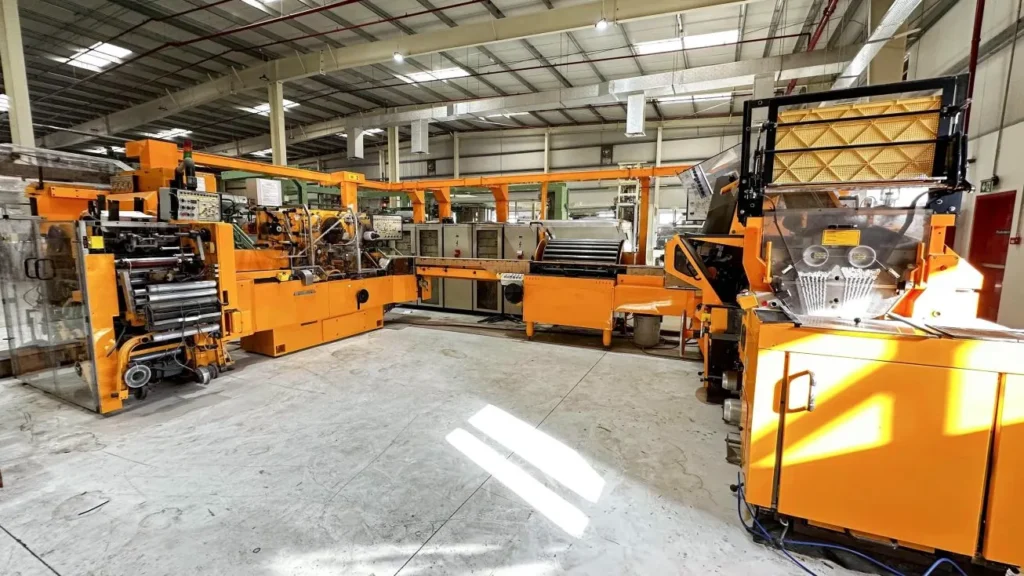
The final blended mixture feeds directly into Cigarette Making Machines, making blend quality essential for uninterrupted production.
Combustion refers to how tobacco burns when ignited. It affects:
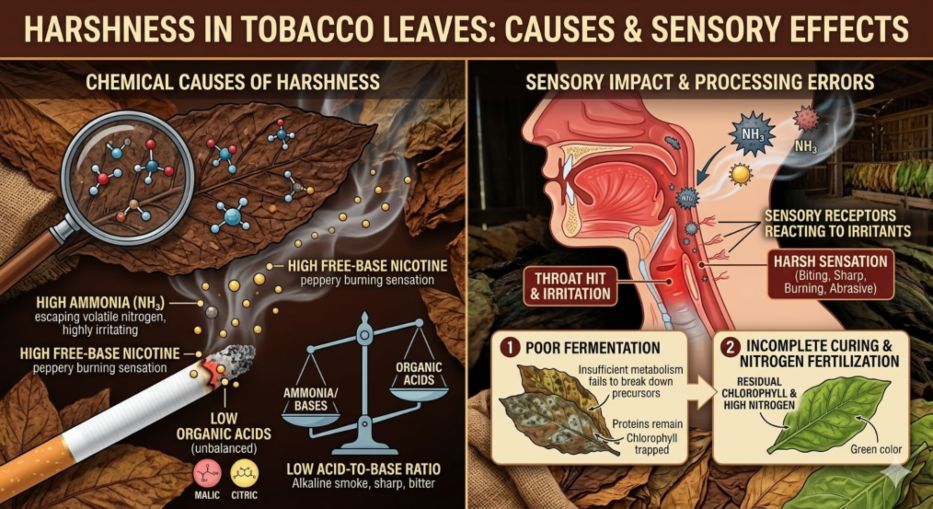
An uneven blend leads to irregular combustion, causing canoeing (uneven burning), excessive ash breakage, or harsh smoke.
Each tobacco type contributes differently to combustion:
A balanced blend ensures controlled combustion while preserving desired sensory qualities.
Inconsistent blending does not only affect the smoker—it disrupts the manufacturing line. Poorly blended tobacco can cause:
Uniform blending ensures smooth feeding, stable cutting, and predictable rod formation, which also supports efficiency in Cigarette Packing Machines.
Aroma is the scent released when tobacco burns and smoke is inhaled or exhaled. It is influenced by:
Blending determines how these components interact during combustion.
Aromatic quality depends on proportion and interaction. Overuse or underuse of a single tobacco type can overpower or mute aroma.
Proper blending creates a layered aroma that unfolds gradually as the cigarette burns.
When tobacco burns, chemical reactions release volatile aromatic compounds. These reactions are affected by:
Blending determines the chemical balance of the tobacco matrix, influencing smoke chemistry and aroma release.
This balance is closely related to nicotine behavior, which is explained in detail in What Is Nicotine? Is Nicotine a Drug?.
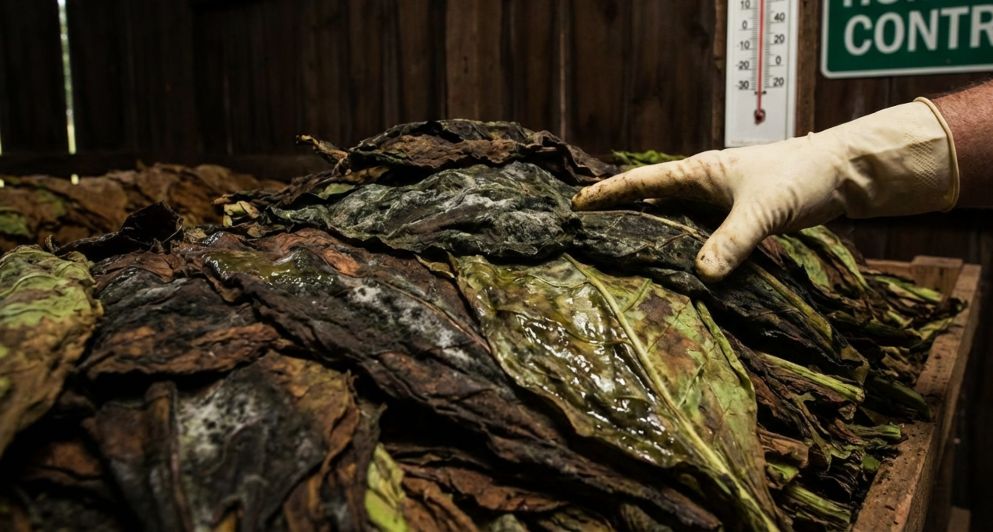
Even the best blend performs poorly if moisture is not controlled. Moisture affects both combustion and aroma:
Blending operations must account for moisture uniformity across tobacco components so the final mix behaves predictably in combustion.
Modern tobacco machinery ensures consistent blending through:
Precision blending machinery reduces human error and ensures repeatability across production cycles.
Ash quality is a key indicator of combustion performance. Blending affects:
Burley contributes to ash stability, while flue-cured improves brightness. A well-balanced blend produces firm, light-colored ash that holds longer during smoking.
Consistency is crucial for brand identity. Consumers expect the same aroma profile with every pack. Inconsistent blending leads to:
This is especially important in competitive markets like those discussed in Cigarette Brands in Dubai, where product consistency directly affects consumer loyalty.
Blending affects not only smoking performance but also packaging efficiency. Inconsistent blends can cause:
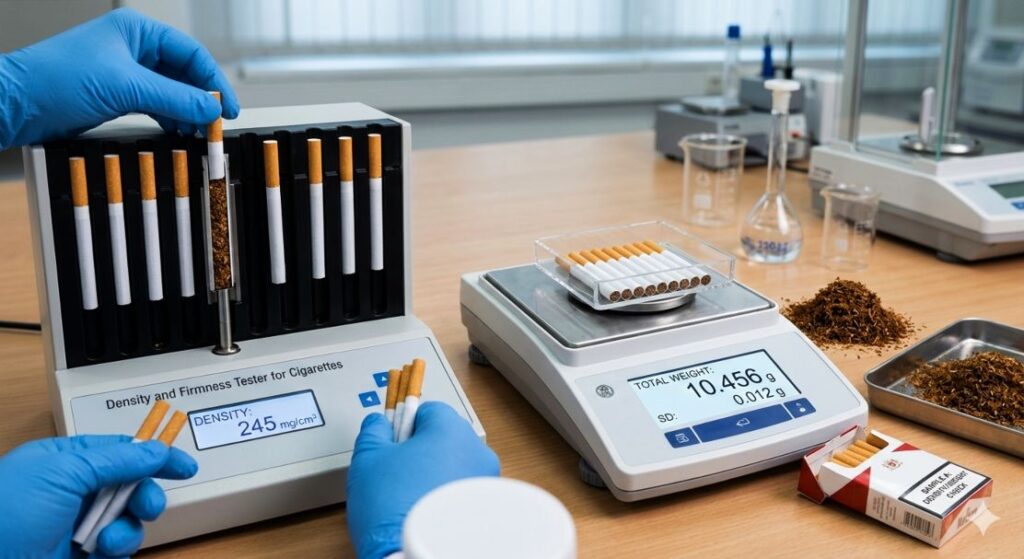
Stable blends improve the performance of Cigarette Packing Machines by ensuring uniform cigarette dimensions and firmness.
Draw resistance determines how easily smoke flows through a cigarette. Blending affects this by influencing:
An optimized blend provides a smooth draw without excessive resistance or looseness.
Efficient blending contributes to:
When tobacco enters Cigarette Making Machines in a stable, uniform state, the entire manufacturing line operates more smoothly.
A good blend ensures:
Uneven blends often cause hot spots or flavor spikes, reducing product quality.
Efficient blending reduces material waste and energy consumption. Optimized blends:
This aligns with sustainable manufacturing practices while maintaining product quality.
| Mistake | Impact |
| Incorrect tobacco ratios | Uneven burn, aroma imbalance |
| Poor moisture distribution | Harsh smoke or ignition issues |
| Inadequate mixing time | Inconsistent cigarette quality |
| Lack of quality checks | Brand inconsistency |
Avoiding these mistakes requires strong SOPs, trained operators, and reliable machinery.
Blending connects agricultural variability with consumer expectations. It translates raw tobacco characteristics into a predictable smoking experience, balancing chemistry, combustion, and aroma.
Understanding What Is Tobacco? at a material level helps manufacturers design blends that perform consistently across markets and production runs.
Advancements in blending technology focus on:
These innovations will further improve combustion control and aroma consistency while reducing production variability.
Tobacco blending plays a decisive role in determining combustion quality and aroma development in cigarette manufacturing. By carefully selecting tobacco types, controlling moisture, and using advanced tobacco machinery, manufacturers can achieve smooth combustion, stable ash, and a consistent aromatic profile.
Efficient blending enhances machine performance, packaging efficiency, and consumer satisfaction—making it one of the most valuable stages in the entire cigarette production process.

We specialize in the provision of Tobacco Machinery. Our expertise encompasses not only the trading of machinery but also extends to being a dedicated supplier. This specialization is enriched by our comprehensive solutions tailored for emerging Cigarette Companies. What sets us apart is our ability to offer firsthand insights through our active Cigarette Manufacturing operation in the UAE.