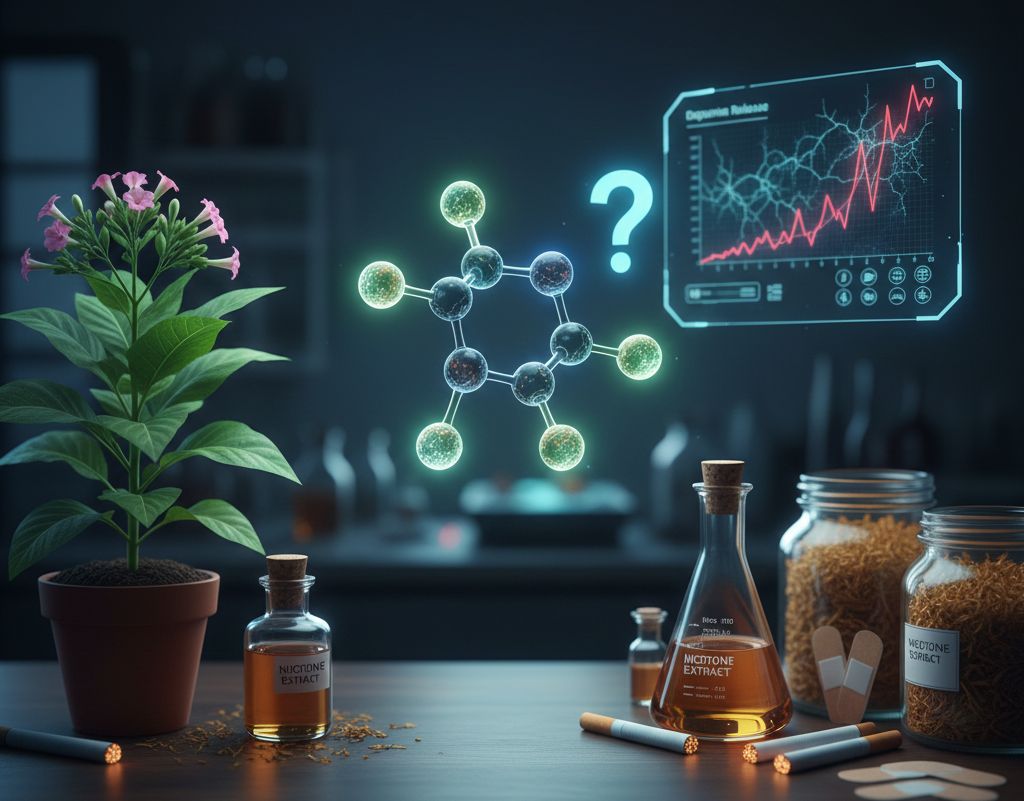
Nicotine is a natural chemical compound found primarily in the leaves of the tobacco plant (Nicotiana tabacum). It is the key ingredient that makes tobacco products addictive. Because nicotine directly affects the brain and nervous system, it is classified as a psychoactive drug. In simple terms, yes — nicotine is a drug, even though it comes from a plant.
Nicotine acts as a stimulant, increasing alertness, heart rate, and energy levels within seconds of entering the bloodstream. This fast, stimulating effect is one reason why people feel an immediate “kick” when smoking or vaping. The average cigarette contains about 10–12 mg of nicotine, but only 1–2 mg is absorbed into the body.
As the nicotine level drops, users may experience restlessness, cravings, and irritability — effects that often lead people to wonder, “Does nicotine cause anxiety?” While it can temporarily reduce stress, nicotine ultimately triggers anxiety and dependence by disrupting the brain’s natural reward system.
In summary, nicotine is a highly addictive stimulant drug, naturally present in tobacco, that significantly influences mood, focus, and long-term health.
Nicotine is a natural alkaloid compound produced by plants in the Nicotiana genus, most notably Nicotiana tabacum — the primary tobacco plant. Chemically, it is classified as a tobacco alkaloid, a nitrogen-containing molecule that acts as a natural stimulant when consumed by humans. In the plant itself, nicotine serves as a biological defense mechanism, protecting the leaves from insects and pests due to its toxic nature.
As a nicotine compound, it is concentrated mainly in the tobacco leaves, although small traces can also be found in related plants like tomatoes, potatoes, and eggplants (Solanaceae family). When tobacco is smoked, chewed, or inhaled, nicotine is rapidly absorbed into the bloodstream, influencing the brain’s reward pathways and contributing to addiction.
| Feature | Description |
| Chemical Type | Alkaloid (tobacco alkaloid) |
| Primary Source | Nicotiana spp. plants, especially N. tabacum |
| Biological Role in Plants | Natural insect deterrent and defense chemical |
| Effect on Humans | Stimulant; increases alertness, heart rate, and dopamine release |
| Addictive Nature | Highly addictive with strong dependence potential |
Nicotine is, therefore, both a natural stimulant and a powerful addictive substance, central to the effects of all tobacco products.
Yes — nicotine is considered a drug, and this classification is recognized by major health authorities worldwide. To understand why, it’s important to look at how nicotine behaves inside the body. A drug is any substance that alters physiological or psychological functions. Nicotine fits this definition perfectly because it changes the brain’s chemistry, affects mood, influences behavior, and creates dependence.
Health organizations such as the World Health Organization (WHO) and the Centers for Disease Control and Prevention (CDC) officially classify nicotine as a psychoactive drug. This means it affects the central nervous system and alters how the brain sends and receives signals. Nicotine stimulates nicotinic acetylcholine receptors, causing a rapid release of dopamine, the chemical responsible for pleasure, motivation, and reward. This is the same neurological mechanism observed with other addictive drugs.
Nicotine is also categorized as a stimulant, similar to substances like caffeine, because it increases alertness, heart rate, and energy. However, unlike caffeine, nicotine has a much stronger addictive potential. Users quickly build tolerance, leading to cravings and withdrawal symptoms when nicotine levels drop.
In short, when people ask “is nicotine a drug?”, the scientific and medical consensus is clear: nicotine is a highly addictive psychoactive drug, even though it comes from a natural plant source.
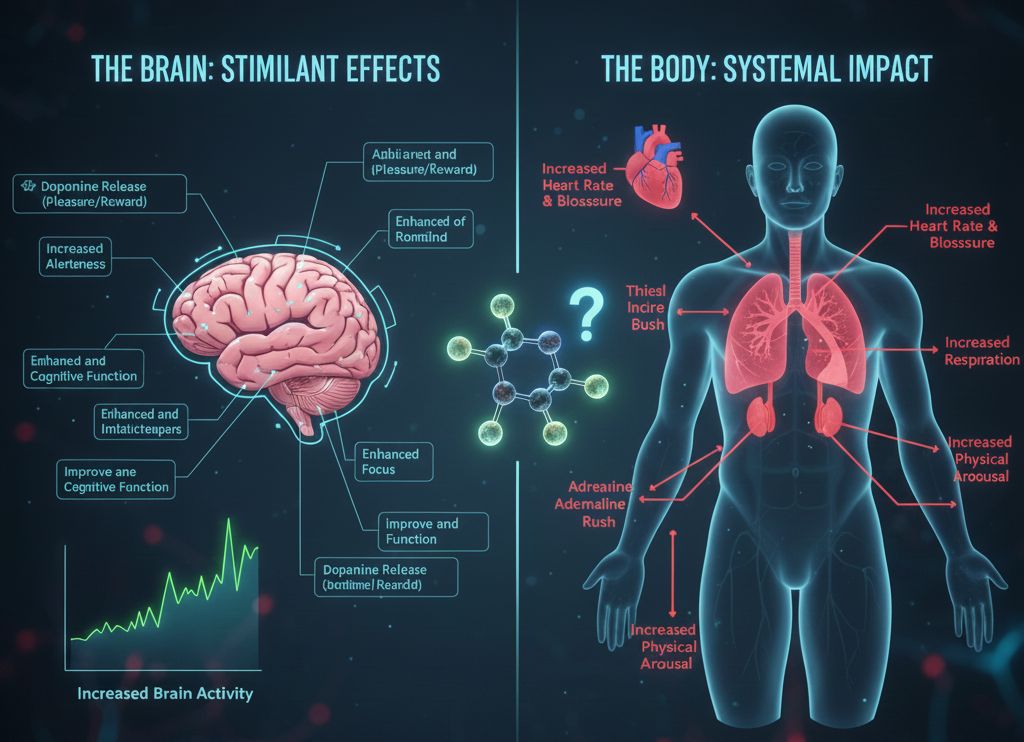
Yes — nicotine is a stimulant, and one of the fastest-acting ones found in nature. As soon as nicotine enters the bloodstream, it travels to the brain within 7–10 seconds, where it activates nicotinic receptors in the nervous system. This stimulation triggers the release of several neurotransmitters, most notably dopamine, which creates feelings of pleasure, alertness, and improved concentration.
Because nicotine boosts mental and physical activity temporarily, it is classified as a central nervous system stimulant — similar to caffeine but far more addictive. Users often experience sharper focus, increased heart rate, elevated blood pressure, and a short-lived sense of calm or relief.
However, these effects fade quickly. As dopamine levels drop, the brain begins to crave the next dose, reinforcing the cycle of nicotine dependency. This “reward → drop → craving → repeat” pattern is what makes nicotine one of the most habit-forming substances worldwide.
Dopamine release → pleasure and reward sensation
Norepinephrine release → increased alertness and energy
Serotonin interaction → short-term mood enhancement
Adrenaline surge → faster heartbeat and heightened arousal
Reinforced addiction loop → urges and withdrawal symptoms
For readers who want to explore how tobacco products deliver nicotine, internal guides such as Cigarette Making Machines or Tobacco Machinery provide insight into the modern production process.
In summary, when examining “is nicotine a stimulant?” the answer is clear: nicotine powerfully stimulates the brain and body — and this stimulation is central to its addictive effects.
Nicotine levels in cigarettes vary depending on the brand, tobacco blend, paper type, and filter design. On average, a typical cigarette contains 8–20 mg of nicotine, but only 1–2 mg is actually absorbed into the smoker’s bloodstream. This difference occurs because much of the nicotine burns off during combustion or remains in the cigarette butt and smoke.
Different cigarette categories—such as king-size, slim, super-slim, or “light” versions—can also influence nicotine delivery. While some brands claim reduced nicotine, the actual absorption depends heavily on smoking behavior, puff frequency, and filter efficiency. Therefore, the nicotine content printed on packaging doesn’t always reflect the amount absorbed by the smoker.
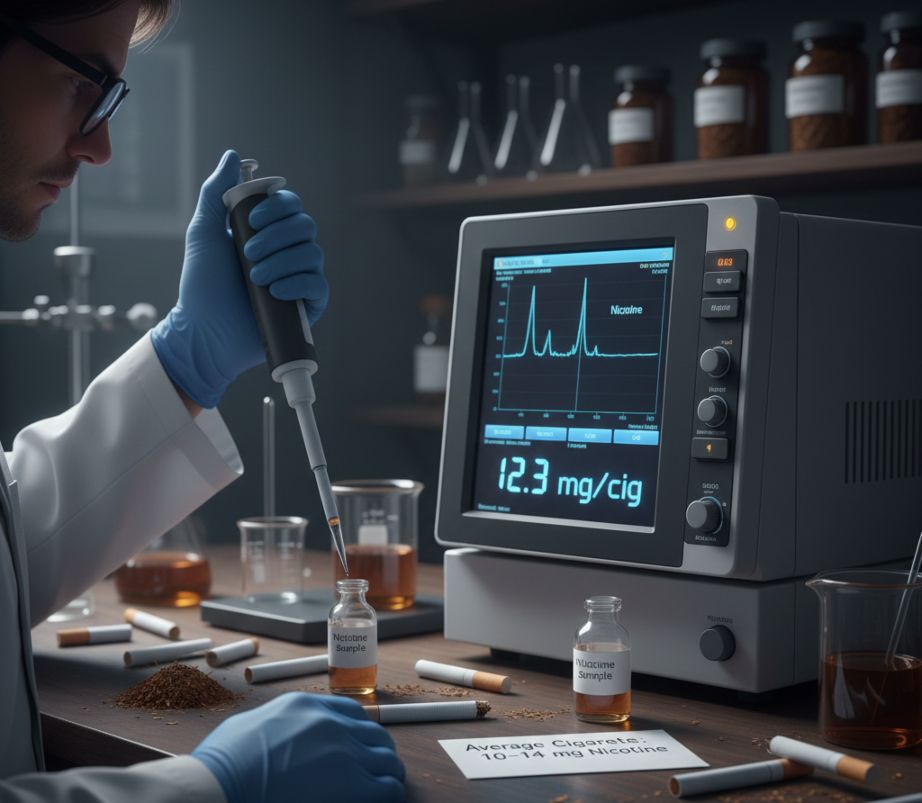
| Cigarette Type | Nicotine Content (mg) | Estimated Nicotine Absorbed (mg) |
| Regular / King Size | 10–20 mg | 1–2 mg |
| Light Cigarettes | 6–12 mg | 0.8–1.2 mg |
| Slim / Super Slim | 4–8 mg | 0.5–1 mg |
| Menthol Cigarettes | 8–15 mg | 1–2 mg |
| Hand-Rolled Cigarettes | 10–25 mg | 1–3 mg |
Nicotine has a complex relationship with anxiety. Many smokers feel that nicotine reduces stress, but this calming effect is short-lived. When nicotine enters the body, it triggers the release of dopamine, which briefly improves mood, and adrenaline, which increases alertness. This combination can create a momentary sense of relaxation—even though the body is actually entering a heightened state of stimulation.
However, as nicotine levels drop, the brain begins to experience withdrawal symptoms, including irritability, restlessness, and increased anxiety. This creates a cycle where the user feels anxious without nicotine and smokes again to relieve that discomfort. Over time, this repeated cycle intensifies overall anxiety levels rather than reducing them.
Research shows that while nicotine can appear to ease stress temporarily, it ultimately worsens anxiety due to dependence and withdrawal. Therefore, the answer to “does nicotine cause anxiety?” is yes—nicotine contributes to anxiety long-term, even if it feels calming in the moment.
| Aspect | Short-Term Effects (Immediately After Nicotine Use) | Long-Term Effects (Due to Dependence & Withdrawal) |
|---|---|---|
| Mood Response | Temporary mood lift due to dopamine release | Increased irritability, restlessness, and low mood |
| Stress/Anxiety Level | Feels reduced for a few minutes | Overall anxiety increases over time |
| Brain Chemistry | Boost in dopamine and adrenaline | Dopamine imbalance and heightened stress response |
| Nervous System Activity | Increased alertness and stimulation | Chronic overstimulation leads to tension and anxiety |
| Physical Symptoms | Slight relaxation sensation | Headaches, rapid heartbeat, and agitation during withdrawal |
| Dependence Cycle | User feels “relief” after smoking | Brain becomes dependent → more cravings → more anxiety |
| Behavioral Impact | Perceived stress-coping mechanism | Smoking becomes compulsive and tied to anxiety moments |
Nicotine enters the body quickly, and the method of use determines how fast it reaches the bloodstream. When smoking cigarettes, nicotine is absorbed through the lungs, where it reaches the brain in just 7–10 seconds—making it one of the fastest-delivered stimulants. In smokeless tobacco or nicotine pouches, absorption occurs through the lining of the mouth, leading to a slower but steady release into the blood. Nicotine can also be absorbed through the skin, which is why nicotine patches work as controlled-delivery systems.
Once in the bloodstream, nicotine travels to the liver, where it is metabolized primarily into cotinine, the main by-product used to measure nicotine exposure. The body eliminates nicotine within 1–3 days, while cotinine can remain detectable for up to 7–10 days, depending on frequency of use, metabolism, and age. This fast absorption and slow breakdown contribute to nicotine’s addictive cycle, reinforcing cravings and withdrawal symptoms.
Nicotine can enter the body through several traditional and modern delivery systems, each impacting how quickly and intensely the substance is absorbed. Cigarettes and cigars are the most common traditional sources, delivering nicotine through combustion, where smoke carries nicotine deep into the lungs. Vaping devices heat e-liquid without burning it, producing aerosol that delivers nicotine rapidly but without the by-products of combustion. Modern smokeless options like nicotine pouches release nicotine through the lining of the mouth, offering slower, steadier absorption.
Medical forms of nicotine replacement therapy (NRT), such as patches and gum, provide controlled, safer nicotine doses without smoke. Patches deliver nicotine gradually through the skin, while gum offers flexible, on-demand relief for cravings. Non-combustible methods generally reduce exposure to harmful chemicals created by burning tobacco, though they still contain addictive nicotine.
| Category | Examples | How Nicotine Is Delivered | Speed of Absorption | Combustion Involved? |
| Combustible | Cigarettes, Cigars, Shisha | Smoke inhaled into lungs | Very fast (seconds) | Yes |
| Non-Combustible – Inhaled | Vapes, E-cigarettes | Aerosol inhaled | Fast | No |
| Non-Combustible – Oral | Nicotine pouches, Chewing tobacco, Nicotine gum | Absorbed through mouth lining | Moderate | No |
| Non-Combustible – Transdermal | Nicotine patches | Absorbed through the skin | Slow, steady release | No |
Nicotine is a naturally occurring tobacco alkaloid and a powerful stimulant drug. It rapidly affects the central nervous system, increasing alertness, heart rate, and dopamine release, which reinforces addiction and dependence. Recognized by the WHO and CDC as a psychoactive drug, nicotine shares some stimulant properties with caffeine but is far more addictive.
Nicotine enters the body through smoking, vaping, oral products, or patches, and is metabolized in the liver, remaining detectable as cotinine for several days. A typical cigarette contains 8–20 mg of nicotine, with 1–2 mg absorbed by the user. Understanding nicotine’s stimulant nature, addictive potential, and delivery methods is essential for awareness, responsible use, and public health education.
Yes. Nicotine is naturally produced in the tobacco plant (Nicotiana tabacum), primarily in the leaves. It serves as a natural defense mechanism against insects and pests. Nicotine is not artificially added to raw tobacco; it is inherent to the plant.
Yes. Nicotine is addictive regardless of the delivery method. Products like vapes, nicotine pouches, gum, or patches provide the same addictive compound. While these non-combustible products reduce exposure to harmful smoke, the dopamine-driven reward and dependence cycle still occurs.
Nicotine is rapidly absorbed but metabolized in the liver into cotinine, a primary by-product. Nicotine itself stays in the bloodstream for 1–3 days, while cotinine can be detectable for 7–10 days depending on usage frequency, metabolism, age, and body mass.
Nicotine alone is a stimulant drug and can affect heart rate, blood pressure, and brain function. However, it is far less harmful than cigarette smoke, which contains tar, carbon monoxide, and thousands of toxic chemicals. Non-combustible nicotine products reduce exposure to these toxins but do not eliminate addiction risk.
Yes. Nicotine is a central nervous system stimulant. It triggers adrenaline release, which temporarily raises heart rate, constricts blood vessels, and increases blood pressure. Long-term use can contribute to cardiovascular stress and related health risks.
Nicotine can provide a temporary sense of relaxation because it relieves withdrawal symptoms in regular users. The calm feeling is often mistaken for true relaxation, but it mainly represents the brain’s response to restoring nicotine levels, rather than a direct stress-reducing effect.
Yes. While nicotine may briefly ease tension, withdrawal and fluctuating dopamine levels create an anxiety cycle. Repeated stimulation followed by a drop in nicotine levels can increase irritability, restlessness, and susceptibility to panic attacks, worsening anxiety over time.
Must Visit:
Explore: Tobacco Machinery