Tobacco leaf drying is one of the most critical steps in the production of high-quality cigarettes. Properly dried leaves maintain their flavor, aroma, and burning properties, which directly affect the final product. Over the years, the tobacco industry has shifted from traditional sun and air drying methods to advanced technological solutions that improve efficiency, consistency, and product quality.
In this article, we will explore the modern technologies used in tobacco leaf drying, the benefits of each method, and how these innovations integrate with tobacco machinery and cigarette production lines.
Why Proper Tobacco Leaf Drying is Important
Tobacco leaves contain natural moisture after harvesting. If this moisture is not properly controlled during drying:
- Leaves can rot or develop mold, reducing quality.
- Flavor compounds may deteriorate, affecting aroma.
- The leaf may become brittle or uneven, creating difficulties in processing with cigarette-making machines.
- Inconsistent moisture can impact the performance of cigarette packing machines, leading to uneven packs or damaged cigarettes.
Proper drying ensures uniform quality, easier handling, and improved shelf life for both raw leaves and processed tobacco.
Traditional vs. Modern Drying Methods
Traditional Drying

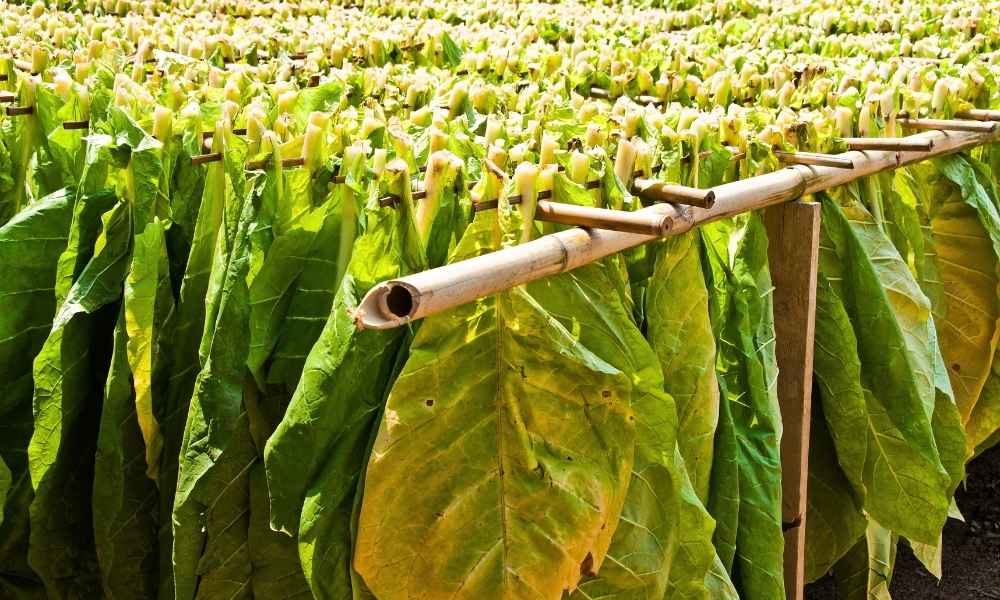
Traditionally, tobacco was dried using air or sun drying methods, where harvested leaves were hung in barns or laid on mats. While low-cost, these methods had several limitations:
- Weather Dependency: Sun drying could be disrupted by rain or humidity.
- Inconsistent Drying: Leaves at different positions in the barn dried unevenly.
- Longer Drying Time: It could take several weeks to fully dry the leaves.
Modern Drying Technologies
Modern tobacco leaf drying uses advanced technologies to overcome these limitations. The main methods include:
-
Hot Air or Forced-Air Drying
- Uses controlled warm air circulation to remove moisture.
- Allows precise temperature and humidity control.
- Reduces drying time and prevents over-drying or leaf damage.
-
Flue-Curing
- Commonly used for Virginia tobacco, this method uses flue pipes to circulate hot air without smoke contact.
- Preserves the leaf’s bright color, aroma, and smooth texture.
- Integrates with automated tobacco machinery for batch handling.
-
Hot Water or Steam Curing
- Uses steam or hot water vapor to dry leaves gradually.
- Often employed in specialty or aromatic tobaccos to retain essential oils.
-
Microwave-Assisted Drying
- An emerging technology that uses microwave energy for rapid, uniform drying.
- Reduces drying time significantly and maintains high-quality leaf structure.
-
Infrared Drying
- Uses infrared radiation to penetrate the leaf and remove moisture evenly.
- Helps maintain flavor compounds and reduces the risk of leaf cracking.
Integration with Modern Tobacco Machinery
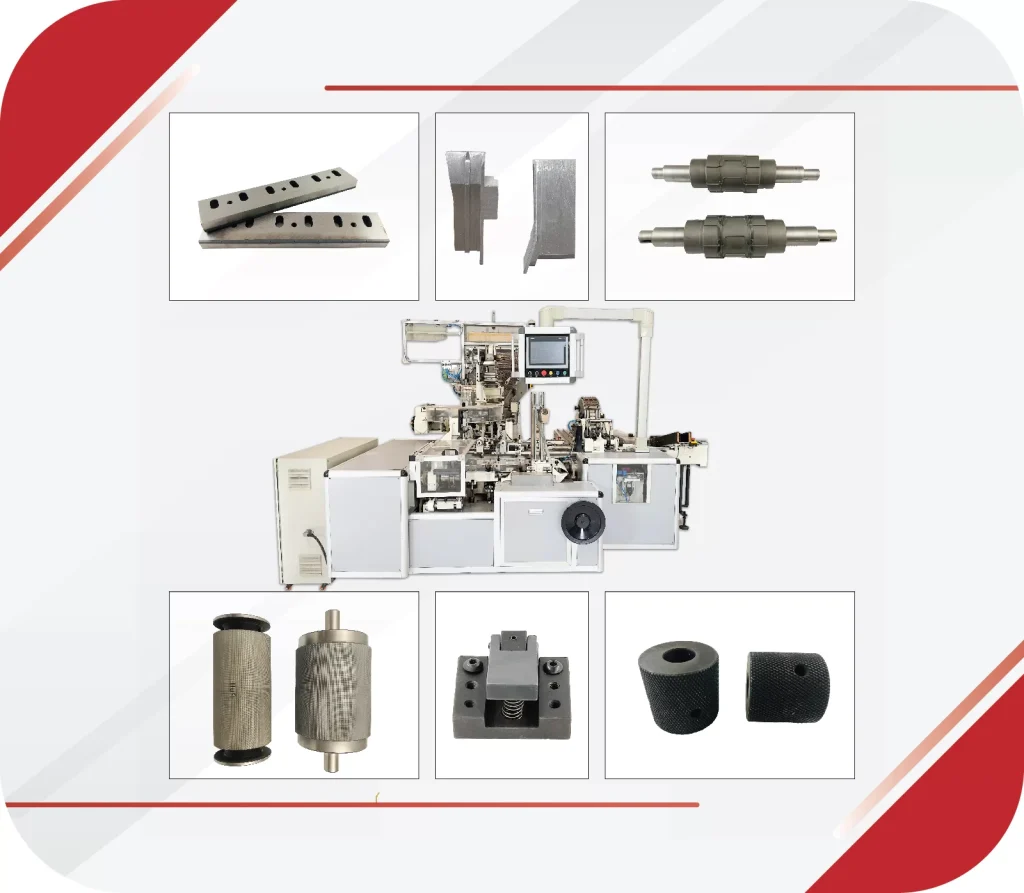
Modern drying technologies are closely integrated with automated cigarette-making machines and packing machines. This integration ensures:
- Consistent moisture content for smooth processing.
- Reduced machine wear caused by uneven or over-moist leaves.
- Higher production efficiency and fewer rejects in cigarette lines.
Advanced machinery often comes with sensors and control panels to monitor moisture, temperature, and airflow in real time, allowing precise adjustment during drying.
Advantages of Modern Tobacco Leaf Drying Technologies
- Improved Quality – Leaves retain color, aroma, and natural oils.
- Faster Processing – Drying times are significantly reduced compared to traditional methods.
- Better Consistency – Uniform drying prevents defects during cigarette production.
- Reduced Losses – Less leaf damage and waste during processing.
- Scalability – Modern systems can handle small-scale and large-scale tobacco production efficiently.
Challenges in Tobacco Leaf Drying
Despite technological advancements, tobacco drying faces several challenges:
- Initial Cost – Installing flue-curing or hot-air systems can be expensive.
- Energy Consumption – Advanced systems require electricity or fuel for heating.
- Technical Expertise – Operators need training to optimize drying parameters for different tobacco types.
- Environmental Concerns – Flue-curing and other heat-based methods can generate emissions if not properly managed.
Best Practices for Modern Tobacco Leaf Drying
- Maintain optimal humidity and temperature according to the tobacco type (Virginia, Burley, or Oriental).
- Use automated sensors for real-time monitoring of leaf moisture.
- Rotate leaves and adjust airflow to ensure uniform drying.
- Combine drying technologies when necessary—for instance, flue-curing followed by infrared finishing for specialty blends.
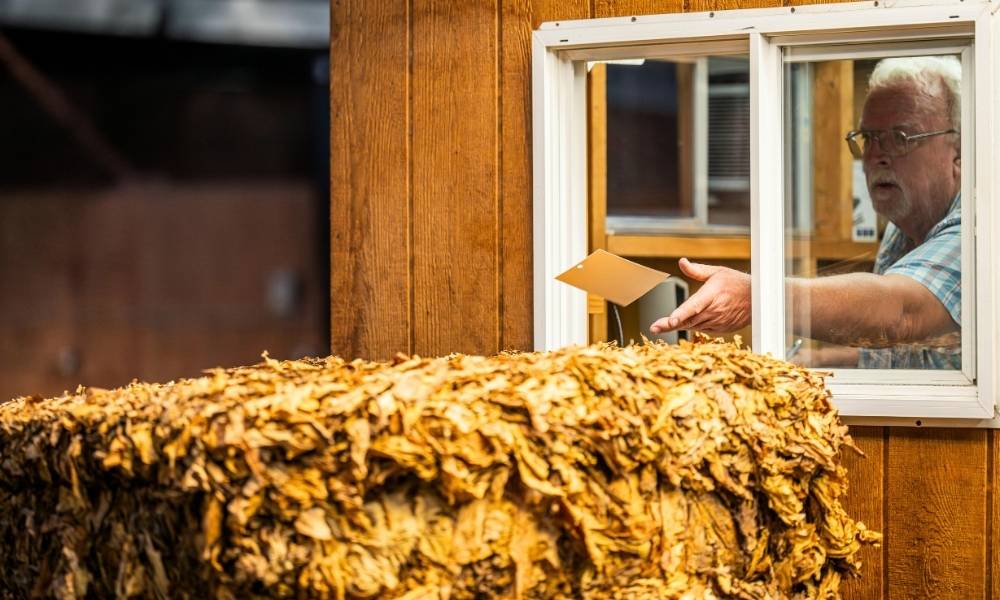
- Store dried leaves in controlled warehouses to preserve freshness before processing.
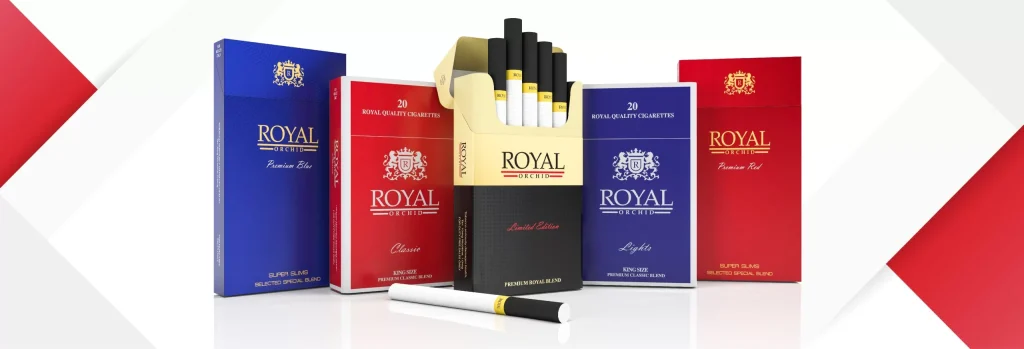
For long-term quality preservation, leading manufacturers combine drying with advanced storage practices, ensuring that tobacco maintains its characteristics until it reaches cigarette brands in Dubai and other markets.
FAQs About Tobacco Leaf Drying
- What is the ideal moisture content for dried tobacco?
The optimal moisture content is generally 12–14%, depending on tobacco type and intended use.
- Can modern drying technologies prevent flavor loss?
Yes. Controlled methods like flue-curing and infrared drying maintain flavor compounds and aromatic oils in the leaves.
- How long does modern tobacco drying take?
Depending on the technology and leaf type, it can range from 24–72 hours, compared to weeks with traditional methods.
- Does drying affect nicotine content?
Proper drying preserves nicotine levels. Overheating or uneven drying can reduce nicotine content.
- Can small-scale producers use modern drying technologies?
Yes. Many compact hot-air or infrared systems are available for smaller production setups, integrating with cigarette-making and packing machinery.
Modern tobacco leaf drying is essential for producing high-quality cigarettes with consistent flavor, aroma, and burning properties. By using technologies such as flue-curing, hot-air systems, infrared drying, and microwave-assisted methods, manufacturers can overcome the limitations of traditional sun and air drying.
Integration with advanced tobacco machinery and cigarette production lines ensures that dried leaves are processed efficiently, reducing waste and increasing production output.
Proper drying is not just a technical requirement—it is a critical factor in consumer satisfaction and brand consistency for cigarette brands in Dubai and worldwide markets.