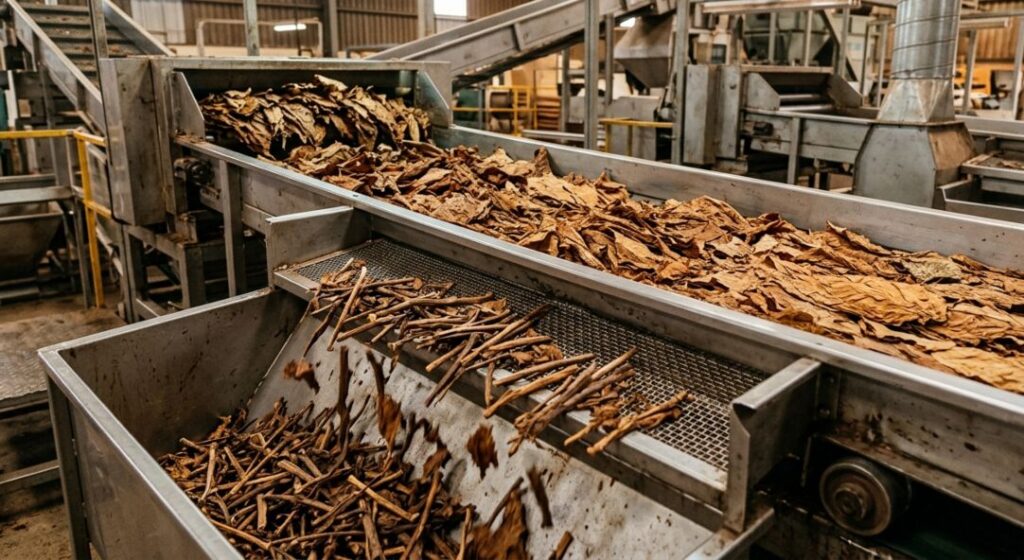
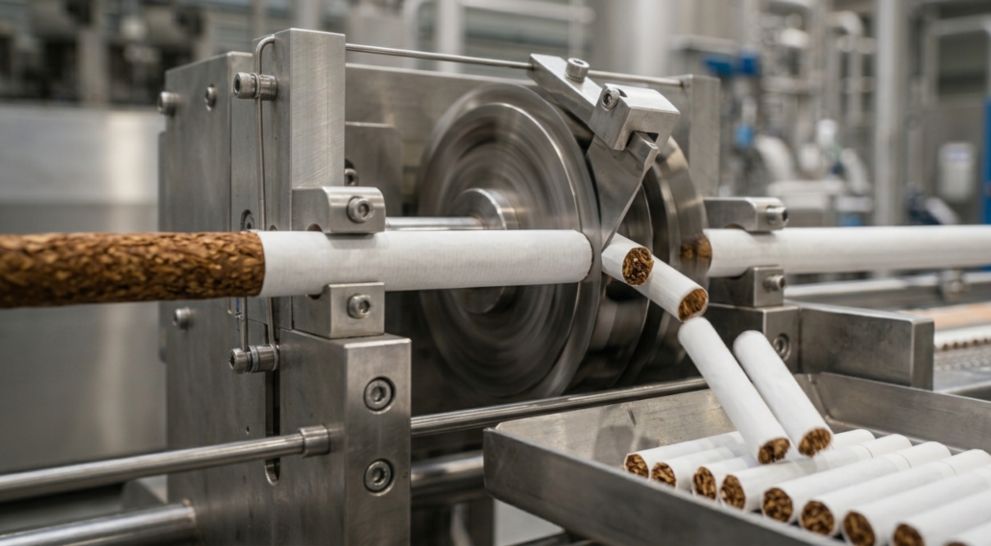
Tobacco manufacturing involves multiple production stages — leaf processing, blending, cigarette making, filter construction, packing — each of which generates waste. Effective waste management is not just about regulatory compliance; it’s vital for cost control, environmental protection, and maintaining brand reputation. In this guide, we’ll examine the types of waste in tobacco factories, the challenges in managing them, best practices, relevant machinery and technologies, regulatory frameworks (especially in the UAE), and strategies for continuous improvement.
Types of Waste in Tobacco Manufacturing
Understanding the different categories of waste is the first step to managing them well. Typical waste in a manufacturing plant includes:
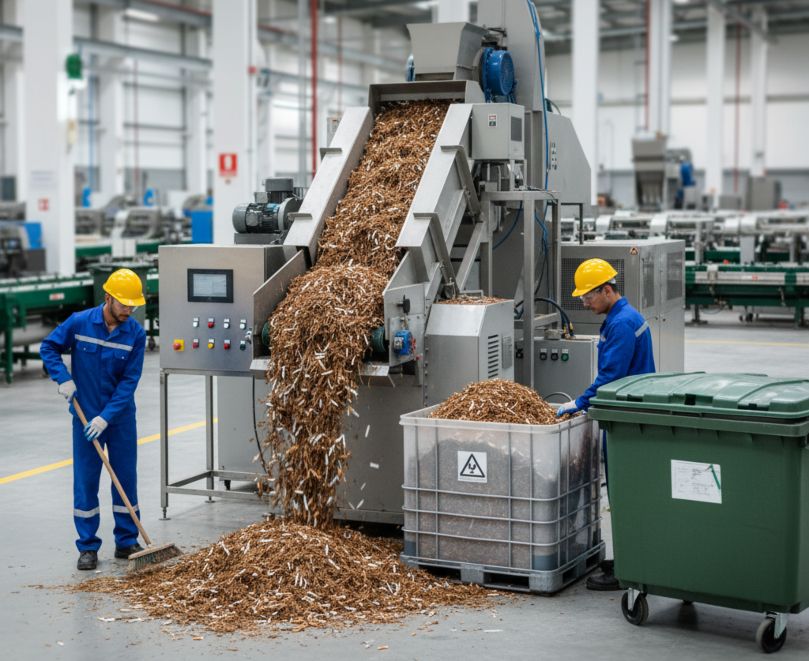
- Solid biological waste: leftover stems, leaf fragments, rejected leaf, tobacco dust
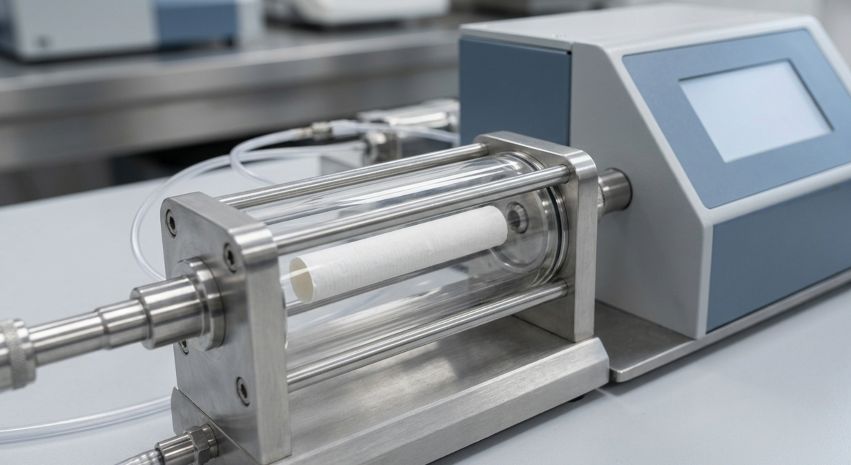
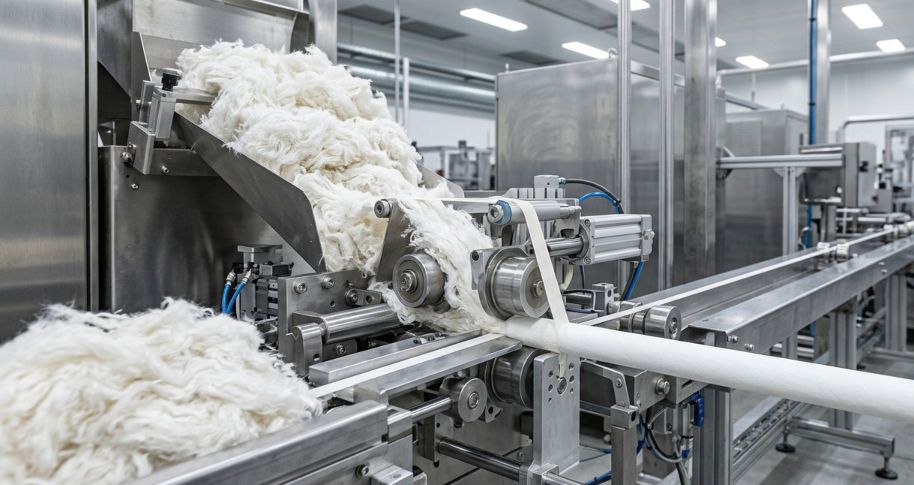
- Filter waste: cellulose acetate trimmings, filter tow, off-spec or rejected filters
- Chemical waste: residues from leaf treatments (pesticides, fungicides), solvents, inks, adhesives used in packaging
- Packaging waste: paper, cardboard, plastic wraps, foil, shrink-wrap
- Wastewater and effluent: water used in washing, cleaning machinery, process water that may carry nicotine, organic compounds
- Hazardous waste: anything that contains toxic chemicals or nicotine at levels that require special handling (like spent solvents, heavy metal contamination)
- Dust and airborne particulates: tobacco dust which may be combustible or harmful when inhaled
Knowing what kinds of waste you produce helps to design proper disposal, reuse or recycling pathways.
Regulatory & Compliance Landscape
Any manufacturing plant must comply with local and national laws governing waste management. Some points relevant especially in the UAE:
- UAE Federal Laws on Integrated Waste Management (e.g. Federal Law No.12 of 2018) regulate how waste is handled — from production through disposal, including recycling and treatment.
- Dubai Law No. (18) of 2024 regulates waste management in Dubai; mandates waste producers to have approved waste management plans, proper segregation, reduce non-recyclable waste etc.
- Cabinet Resolution Regulating Tobacco Cultivation and Manufacturing (UAE) requires “safe disposal of waste and by-products of tobacco manufacturing … in accordance with legislations applicable in the State with respect to waste.
- Effluent Treatment Regulations – industrial wastewater, especially from tobacco processing, leaf curing, chemical use, must be treated before discharge.
Plants must also watch out for occupational health & safety regulations, proper handling and storage of hazardous waste, worker protection, safe disposal, and periodic monitoring.
Challenges in Tobacco Waste Management
Manufacturers face several challenges when trying to reduce, treat, or dispose of waste properly. Some of the most common:
a) Complexity of Waste Streams
Because tobacco plants undergo many processes, there are varied types of waste (solid organic, chemical, packaging, etc.). Each type requires different treatment/disposal methods.
b) Hazardous and Toxic Components
Wastewater and filter materials can carry nicotine, heavy metals, pesticide residues. These pose risks to environment and human health, requiring specialized handling and disposal.
c) Cost Constraints
Proper waste treatment (e.g. setting up effluent treatment plants, incinerators, specialized storage) is expensive. For many plants, balancing cost vs waste compliance is difficult.
d) Technological & Infrastructure Gaps
Some older facilities may lack modern machinery or technology for efficient collection, treatment, recycling or energy recovery of waste.
e) Logistical & Operational Issues
Collecting waste correctly, segregating it at source, transporting to treatment or recycling centres, maintaining records, training staff, scheduling clean-ups etc., all add operational complexity.
f) Regulatory Enforcement & Evolving Standards
Laws change over time. Plants must keep up with newer stricter standards for emissions, waste discharge, recycling. Non-compliance can lead to fines or shutdowns.
g) Environmental and Community Pressure
Manufacturers are under pressure from communities, consumers, investors to demonstrate sustainability. Visible waste, odors, pollution can hurt public perception.
h) Waste from Filters & Packaging
Cellulose acetate filters, plasticised components, single-use materials in packaging pose particular issues in recycling or disposal.
Key Technologies & Machinery for Waste Control
Having the right machines and systems is essential. Some of the technological tools relevant to tobacco plants:
- Effluent Treatment Plants (ETPs): For treating process water, wash water, and wastewater from leaf treatment. Removes nicotine, organics and chemical residues.
- Dust collection & air filtration systems: To capture tobacco dust, airborne particulates. Critical for both safety and waste reduction.
- Automated waste segregation systems: For packaging waste (paper, plastic, foil), biological waste, and hazardous vs non-hazardous waste.
- Recycling / reuse equipment: Reclaiming filter tow, using organic biological waste as compost or fertilizer, converting packaging waste into reusable raw materials.
- Incineration or energy-from-waste systems: For certain waste types that cannot be recycled, burning them in controlled systems to generate energy.
- Modern packaging machinery that produces less scrap or off-cut waste.
- Integration with Tobacco Machinery for minimizing leaf / stem losses, trimming off rejected leaf early etc.
- Also relevant are machinery downstream: Cigarette Making Machines, Cigarette Filter Making Machines, Cigarette Packing Machines — each of these, when optimized, helps reduce waste generation (mis-feeds, rejects, mispackaging etc.).
Best Practices for Managing Tobacco Waste in Manufacturing Plants
To operate sustainably and cost-effectively, plants should adopt these practices:
-
Waste Audit & Measurement
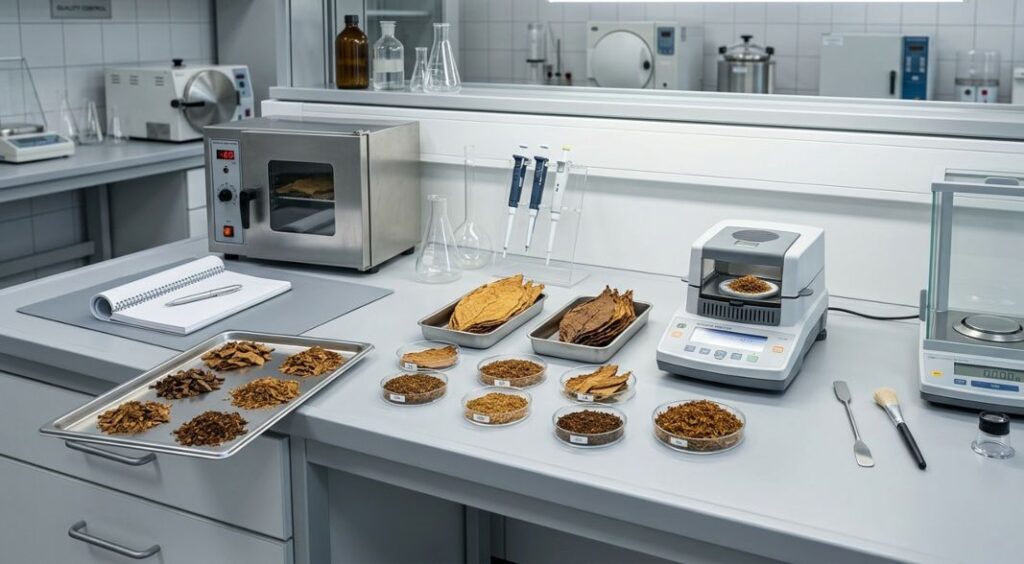
- Periodically quantify how much waste is generated in each category.
- Track source points of waste (e.g. leaf trimming, packaging, filter reject) to know where to focus.
-
Source Segregation
- Segregate solid waste at its origin: organic vs packaging vs hazardous.
- Use color-coded bins, staff training to avoid mixing hazardous materials or contamination.
-
Reuse & Recycling
- Reuse wood pallets, cardboard, reusable packaging material.
- Recycle cardboard / plastic packing waste.
- Reclaim and repurpose filter tow where possible.
- Compost or convert organic leaf waste into fertilizer or biomass.
-
Treating Liquid Waste Properly
- Install and maintain efficient effluent treatment facilities.
- Monitor discharge quality against regulatory limits.
- Where possible, reuse water within processes after treatment.
-
Minimizing Waste in Production
- Optimize machinery settings to reduce off-spec rejects (in the Cigarette Making Machines etc.).
- In filter making, reduce scrap and regular calibration to avoid excess filter trim waste.
-
Packaging Optimization
- Use packaging designs that minimize materials and waste.
- Use recyclable or biodegradable packaging where allowed.
- Right-sizing packaging to reduce overwraps, excess plastic etc.
-
Training, Awareness & Culture
- Train workers on proper waste handling, segregation, health & safety.
- Encourage a culture of responsibility and continuous improvement.
-
Record Keeping & Reporting
- Maintain proper logs of hazardous vs non-hazardous waste.
- Comply with regulatory requirements (e.g. in Dubai / UAE laws).
- Use data to track trends and show improvements for audits.
-
Safe Disposal of Non-Recyclable or Hazardous Waste
- Follow local laws for safe disposal of hazardous wastes (solvents, nicotine-rich materials).
- Use certified disposal contractors.
- Prevent recycling of certain by-products if laws forbid it (as is required under some UAE regulations)
-
Waste to Energy / Co-Processing
- Some non-recyclable waste, packaging or organic waste can be converted into energy.
- Co-processing with cement kilns etc may be feasible in some regions, subject to local regulation.
Impact on Operations & Brand Value
Waste management isn’t just cost or compliance — it affects operations, costs, and brand perception:
- Cost savings: Less waste, efficient water reuse, reduced packaging costs, less disposal cost.
- Reduced risk: Legal compliance avoids fines, reputational damage, shutdowns.
- Operational efficiency: Cleaner, safer plants, less downtime from waste-related issues.
- Quality consistency: Minimizing rejects and defects enhances yield.
- Brand reputation: Environmental responsibility is increasingly important to consumers and regulators; eco-friendly or sustainability claims can differentiate brands (especially in premium segments, like Cigarette Brands Dubai).
Local Considerations:
If your manufacturing plant is in the UAE / Dubai (or you’re targeting that market), consider these specifics:
- Waste laws in UAE require safe disposal of tobacco manufacturing by-products, and prohibit recycling of certain tobacco wastes under some resolutions.
- Law No. 18 of 2024 in Dubai mandates that large waste producers prepare and implement a waste management plan, segregate hazardous and non-hazardous waste, and reduce non-recyclables.
- Effluent treatment is required: industrial wastewater must meet standards; many plants in UAE / KSA use ETPs to treat wastewater from tobacco operations.
- Executive regulations under Federal Law No. 12 of 2018 define technical specifications for landfills, waste depository sites and standardise disposal methods.
Adhering to these local laws is not optional — noncompliance can lead to penalties, permit revocations etc.
Future Trends in Tobacco Waste Management
Innovations and new regulatory pressure are pushing the industry toward more sustainable, lower-waste operations. Some trends to watch:
- Circular Economy Approaches: Designing products, packaging, and processes with reuse, recycling, or recovery in mind.
- Bio-based or Biodegradable Filters / Materials: As traditional cellulose acetate filters are not easily degraded, alternative materials may emerge.
- Cleaner Production & Process Intensification: Reducing waste generation by improving process efficiency, better machinery calibration, less scrap.
- Digital Monitoring & Analytics: Sensors, IoT, data analytics to monitor waste generation in real time, flag inefficiencies or leaks, optimize operations.
- Green energy & renewable utilities: Using solar, biomass to treat waste or power treatment plants.
- Regulatory tightening and sustainability disclosure: More laws, more transparency demands, ESG (environment, social, governance) reporting.
FAQs
Q: Can tobacco waste be recycled or reused safely?
Yes — many types of waste (cardboard, packaging plastics, organic leaf/stems) can be recycled or converted (e.g. organic compost). However, some tobacco by-products (highly nicotine-rich material, chemical treatments) may require treatment before reuse, or safe disposal if law prohibits recycling. Local law in UAE states that some tobacco waste may not be recycled.
Q: What is the difference between hazardous and non-hazardous waste in tobacco plants?
Non-hazardous includes organic leaf waste, packaging scraps, etc. Hazardous includes waste with toxic chemicals, high nicotine content, solvents, heavy metals. Hazardous waste needs special handling, storage, disposal, possibly incineration.
Q: How much waste does tobacco manufacturing generate?
Globally, tobacco manufacturing produces millions of tonnes of solid waste annually, along with large quantities of chemical and biological by-products. (Exact figures vary by scale and region.)
Q: What are the costs of setting up an effluent treatment plant (ETP)?
Costs depend heavily on volume of wastewater, required treatment level, regulatory standards, technology used. While initial investment can be significant, long-term savings (less fines, better compliance, reuse of treated water) often make it worthwhile.
Q: How can machinery help reduce waste?
By optimizing production machines to reduce rejects, using packaging machines that waste less material, employing machinery for filter manufacturing that produces less off-cut, and using automation to improve precision. Integration with Tobacco Machinery, and downstream equipment such as Cigarette Making Machines, Cigarette Filter Making Machines, Cigarette Packing Machines matters a lot
Effective waste management in tobacco manufacturing is no longer optional — it’s critical for legal compliance, environmental protection, operational efficiency, and brand reputation. While there are many types of waste produced (organic, chemical, filter/packaging, wastewater), with the right machinery, processes, and strategies, plants can greatly reduce their waste footprint.