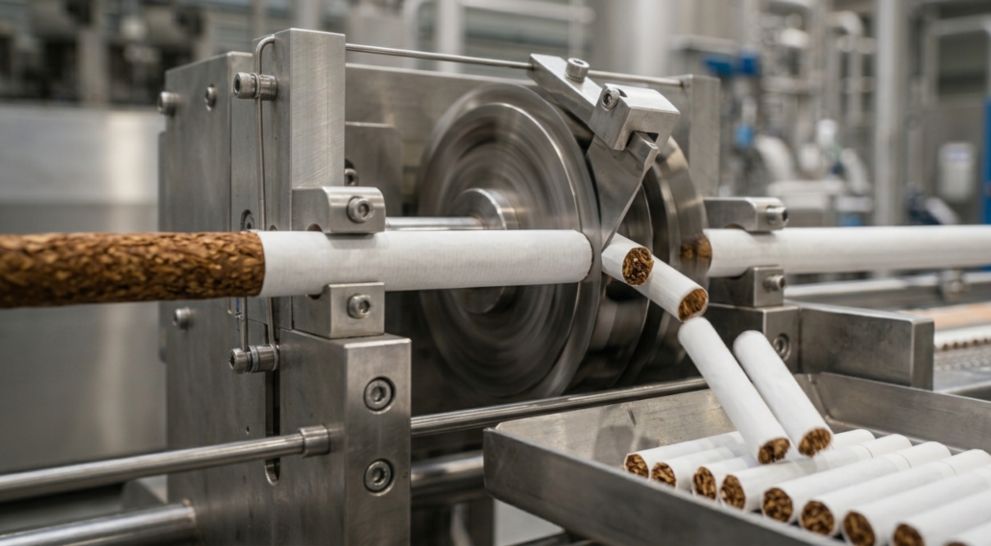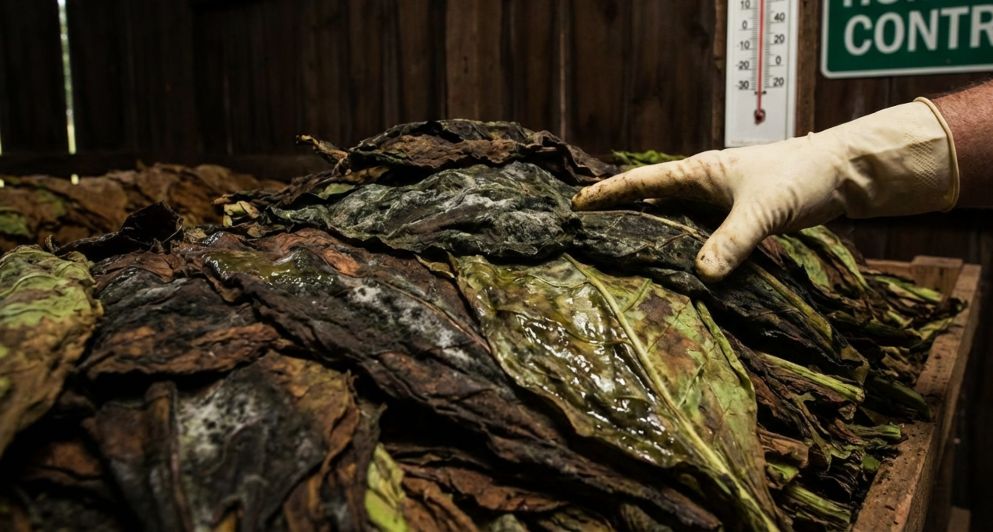
Tobacco leaf fermentation is one of the most critical stages in cigarette production. It directly influences flavor, aroma, combustion quality, nicotine balance, and overall product consistency. When done correctly, fermentation enhances the natural characteristics of the leaf and removes harsh or undesirable compounds. However, small errors during this process can lead to significant quality issues.
Understanding the science behind what tobacco is and how its chemical composition changes during fermentation helps manufacturers avoid costly mistakes. Below are the most common errors in tobacco leaf fermentation and how to prevent them.
Allowing fermentation temperatures to rise too high or drop too low.
Fermentation is a controlled biochemical process. Microbial activity and enzymatic reactions depend heavily on temperature. If temperatures become excessive:
If temperatures are too low:
Use controlled fermentation chambers and monitor temperature consistently. Modern solutions available through advanced tobacco machinery help maintain stable processing environments for optimal leaf transformation.
Starting fermentation with improper moisture content.
Moisture is essential for enzymatic and microbial activity. If tobacco leaves are:
Both scenarios damage flavor development and reduce shelf life.
Condition tobacco leaves before fermentation to reach ideal moisture levels (typically 18–25%, depending on leaf type). Proper conditioning ensures chemical reactions occur gradually and evenly.
Allowing fermentation to continue beyond optimal timing.
Over-fermented tobacco loses desirable sugars and volatile compounds. This results in:
In severe cases, the leaf structure breaks down excessively, affecting processing performance in cigarette-making machines.
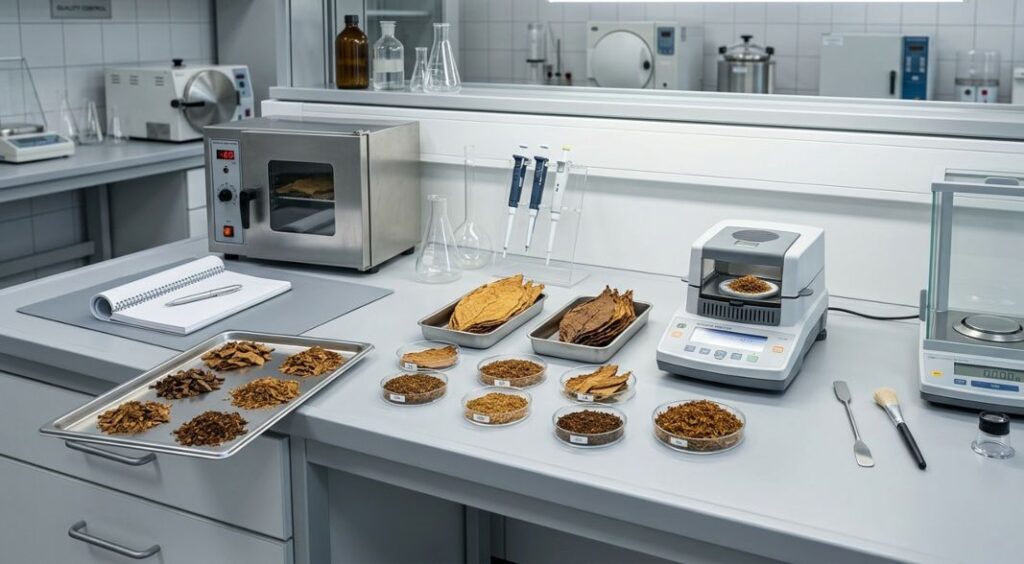
Implement scheduled inspections and sample testing. Monitor color changes, aroma development, and chemical markers to determine the ideal endpoint.
Mixing different leaf grades without proper classification.
Different tobacco leaves vary in:
Combining unmatched grades leads to uneven fermentation, where some leaves are over-processed while others remain under-fermented.
Before fermentation, proper sorting and grading are essential to ensure consistency throughout the process.
Failing to control airflow within fermentation stacks or chambers.
Fermentation generates heat. Without proper airflow:
This creates inconsistent flavor development and uneven color changes.
Use structured stacking methods or mechanical systems that regulate airflow distribution throughout the leaf mass.
Allowing uncontrolled microbial growth.
While beneficial microbes assist in breaking down proteins and sugars, harmful bacteria or mold can:
Strict hygiene protocols and environmental monitoring are essential to maintain safe fermentation conditions.
Relying only on visual inspection without chemical analysis.
During fermentation:
Understanding what nicotine is and how it behaves under heat and moisture is important for controlling strength and smoothness.
Without periodic chemical testing, manufacturers risk producing tobacco with inconsistent flavor profiles and nicotine delivery.
Shortening fermentation time to meet production deadlines.
Fermentation cannot be forced without sacrificing quality. Rapid processing leads to:
The fermentation stage is foundational for producing premium blends used in global brands and cigarette brands in Dubai and other international markets.
Storing fermented leaves in unstable humidity conditions.
After fermentation, tobacco must be stabilized. Improper storage can:
This impacts downstream performance in both cigarette-making machines and cigarette-packing machines.
Using outdated or poorly maintained fermentation systems.
Faulty monitoring systems, broken sensors, or uneven chamber heating can result in batch inconsistencies. Modern manufacturing relies on precision.
Routine calibration and servicing of equipment ensure reliable fermentation results and long-term operational efficiency.
Fermentation transforms raw tobacco into a refined, smoke-ready material. When executed correctly, it:
As explained in what tobacco is, the leaf contains complex organic compounds that must be carefully balanced to produce high-quality finished products.
Avoiding common fermentation mistakes ensures smoother processing across the entire production line, from conditioning to cigarette manufacturing and final packaging.
Tobacco leaf fermentation is both a science and an art. Small variations in temperature, humidity, airflow, and timing can dramatically influence the final product. Manufacturers who invest in proper monitoring, grading, and controlled environments achieve:
With advanced solutions from reliable tobacco machinery providers, companies can optimize fermentation processes and maintain competitive standards in global tobacco markets.
By avoiding these key mistakes, manufacturers ensure that every batch of fermented tobacco delivers the quality, performance, and flavor profile expected in modern cigarette production.

We specialize in the provision of Tobacco Machinery. Our expertise encompasses not only the trading of machinery but also extends to being a dedicated supplier. This specialization is enriched by our comprehensive solutions tailored for emerging Cigarette Companies. What sets us apart is our ability to offer firsthand insights through our active Cigarette Manufacturing operation in the UAE.