A kilogram of tobacco can fill more cigarettes than its raw weight suggests, and manufacturers have been engineering exactly that gap for decades. The tobacco expansion process takes cut tobacco and physically increases its volume without adding any extra leaf, producing a lighter, fluffier cut that fills the same rod using less raw material. It’s one of the more significant pieces of process engineering in cigarette manufacturing, and it touches everything from production cost to tar delivery to how a cigarette actually smokes.
This article covers what the tobacco expansion process actually does, how it works mechanically, and why it became standard practice across the industry.
Tobacco expansion is a treatment applied to cut tobacco that increases its volume, or “fill power,” relative to its weight. The tobacco itself isn’t diluted or replaced with anything else. Its cell structure is physically puffed open, similar in concept to how popcorn expands from a kernel, so the same weight of tobacco takes up noticeably more space in the finished rod. Manufacturers refer to the resulting material as expanded tobacco, or sometimes puffed tobacco, and it’s blended into cut filler alongside untreated tobacco at a ratio the manufacturer sets based on the product’s target characteristics.
Expansion solves a few problems at once, which is why it became near-universal across the industry rather than a niche technique used by a handful of producers.
Material cost reduction. Since expanded tobacco fills more volume per gram, a manufacturer needs less raw tobacco weight to fill the same number of cigarettes. Tobacco leaf is the single largest raw material cost in cigarette production, so even a modest expansion ratio has a meaningful effect on cost per thousand cigarettes.
Lower tar delivery. A less densely packed rod burns differently than a tightly packed one, generally delivering lower tar per puff for a comparable blend, which matters both for regulatory tar ceiling compliance and for brands positioned as “lights” or reduced-tar products.
Consistent rod firmness at lower weight. Expanded tobacco lets manufacturers hit a target rod firmness and draw feel without needing to overpack the rod with untreated leaf, giving product development more flexibility when balancing blend cost against smoking characteristics.
Early industrial tobacco expansion in the mid-20th century relied on chlorofluorocarbon refrigerants, commonly Freon, to achieve the rapid phase-change effect needed to puff the leaf structure. That approach was phased out industry-wide following international ozone-layer regulations restricting CFC use, and it has essentially no presence in modern production.
The method that replaced it, and remains the industry standard today, uses carbon dioxide. It’s commonly referred to as DIET, short for Dry Ice Expanded Tobacco, though the underlying mechanism relies on CO2 phase changes rather than literal dry ice blocks in most modern implementations. CO2 expansion achieves a comparable puffing effect without the environmental liability of CFCs, which is a major reason it became the standard rather than simply one option among several.
Cut tobacco is brought to a controlled moisture level before treatment. Moisture content at this stage affects how well the tobacco absorbs CO2 in the next step, so it’s tightly managed rather than left to whatever moisture the leaf happened to arrive at.
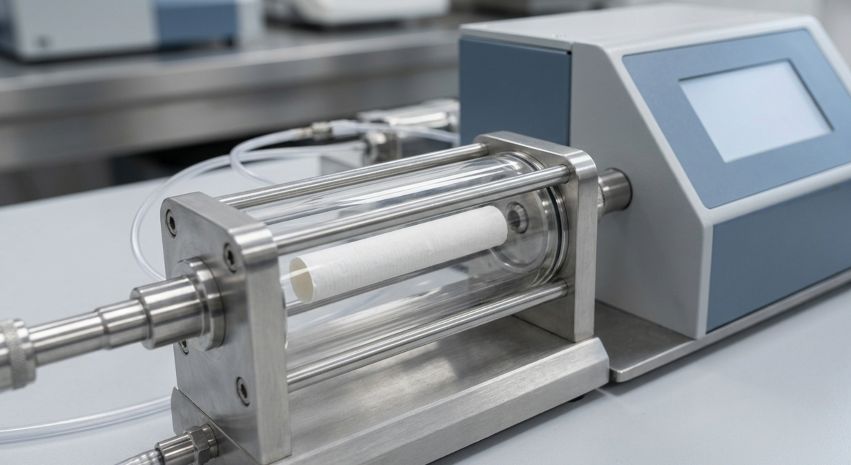
The conditioned tobacco is loaded into a pressure vessel and exposed to liquid or supercritical CO2 under high pressure. Over a set dwell time, the CO2 penetrates the tobacco’s cell structure, effectively saturating the leaf at a molecular level.
This is the step that actually creates the expansion effect. The tobacco is subjected to a sudden pressure drop combined with rapid heating, typically through direct contact with heated air or steam. The CO2 trapped inside the leaf structure undergoes an almost instantaneous phase change, expanding violently within the cell walls and physically puffing the tobacco open. The speed of this transition is what determines how much expansion is achieved, since a slower pressure or temperature change produces a far weaker puffing effect.
Freshly expanded tobacco needs to be dried back down and then reconditioned to the moisture level required for the finished blend. Getting this step wrong tends to collapse some of the expansion gained in the previous stage, so drying is usually done gradually rather than in one aggressive pass.
The expanded tobacco is cooled and then blended back into the overall cut filler mix at the ratio the product formulation calls for, alongside untreated leaf and any reconstituted tobacco sheet also used in the blend.
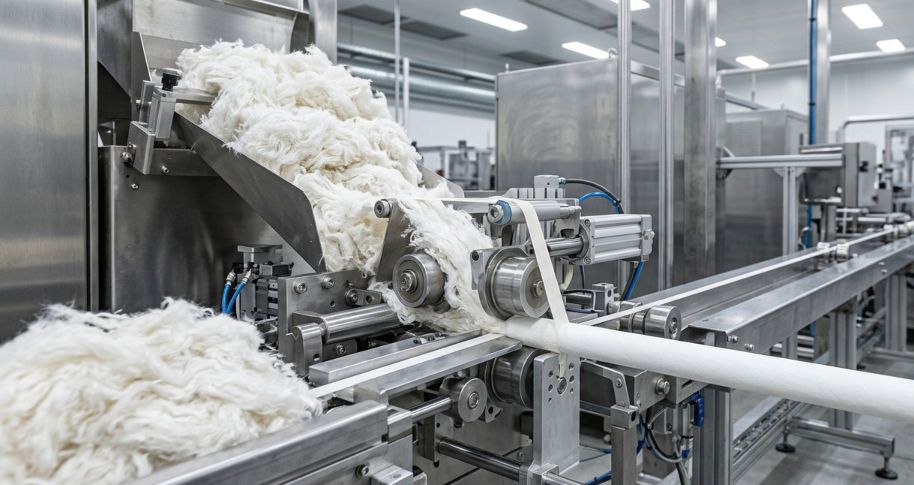
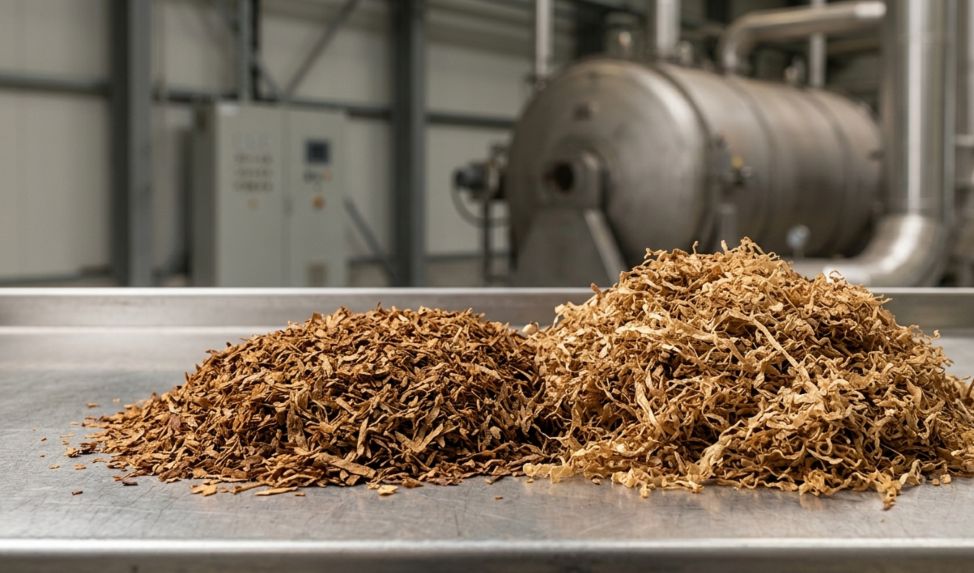
The core measurable change is filling power, sometimes expressed as fill value in cubic centimeters per gram, which increases substantially after expansion, commonly cited in the range of roughly a third to over half again the tobacco’s original volume, depending on the specific process parameters and how aggressively the manufacturer runs the expansion. Density drops correspondingly. Visually, expanded tobacco looks noticeably lighter and fluffier than untreated cut filler, and it’s easy to tell the two apart in a raw material sample even before either goes near a cigarette making machine.
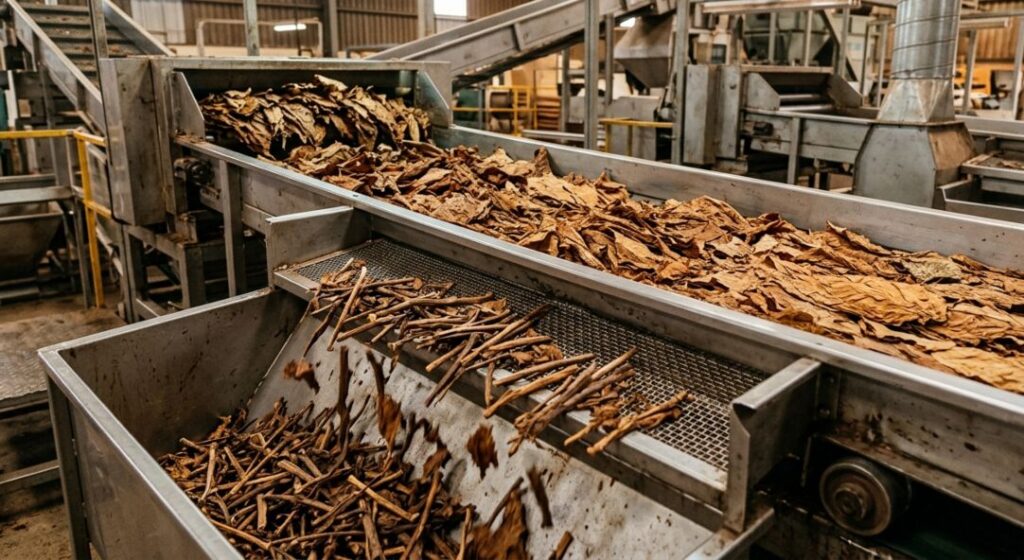
These two terms get confused often enough to be worth separating clearly. Expansion is a physical treatment that increases the volume of natural leaf tobacco without changing what the material fundamentally is. Reconstituted tobacco is a different process entirely, where tobacco stems, scraps, and dust left over from primary processing are pulped, formed into a sheet similar to papermaking, then dried and cut into a usable filler component. A modern cigarette blend often contains both, expanded natural leaf and reconstituted sheet, alongside untreated leaf, each serving a different role in balancing cost, volume, and smoking characteristics.
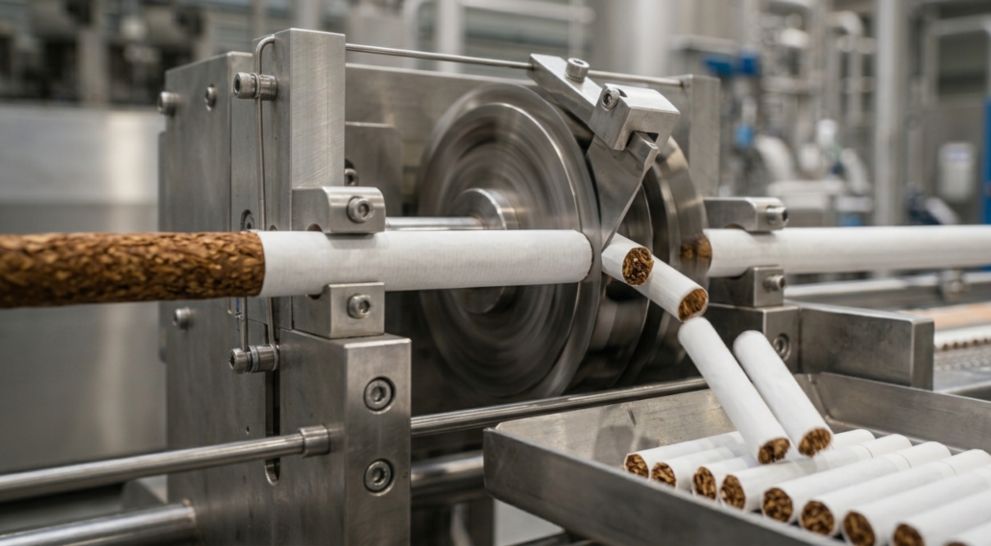
Expanded tobacco is prepared upstream of the actual cigarette-forming stage and then fed into blending before it reaches cigarette manufacturing machines, which form the finished rod. The lighter, expanded material behaves differently under the maker’s tobacco feed system than dense, untreated leaf, so blend ratios and machine settings are usually tuned together rather than the expansion ratio being decided in isolation from how the line will run it. Manufacturers producing their own blends, whether for their own brands or for private label and contract manufacturing clients, factor expansion ratio into the blend design from the start, since it affects cost, rod firmness, and tar delivery all at once.
The tobacco expansion process is one of those pieces of manufacturing engineering that consumers never see and rarely think about, but it shapes the cost structure and smoking characteristics of nearly every cigarette on the market. CO2-based expansion replaced older CFC-based methods for sound environmental reasons and, in doing so, became a standard step in modern blend production rather than a specialty technique. For anyone evaluating a manufacturer’s production capability, understanding how they handle expanded tobacco, and how carefully they manage the drying and reconditioning steps that follow it, says a lot about how consistent their finished product is likely to be.

We specialize in the provision of Tobacco Machinery. Our expertise encompasses not only the trading of machinery but also extends to being a dedicated supplier. This specialization is enriched by our comprehensive solutions tailored for emerging Cigarette Companies. What sets us apart is our ability to offer firsthand insights through our active Cigarette Manufacturing operation in the UAE.