A harvested tobacco leaf isn’t a single uniform material. It’s made up of the lamina, the broad, soft leaf blade, and the midrib or stem running through its center, a stiffer, woodier structure with a completely different composition. Before that leaf can become part of a cigarette blend, those two components have to be separated, processed differently, and graded on their own terms. Tobacco lamina processing is the stage that does exactly that, and it shapes nearly every downstream quality decision a manufacturer makes about blend composition.
This article covers what tobacco lamina processing actually involves, how threshing separates lamina from stem, and how processed lamina eventually becomes part of a finished cigarette blend.
What Is Tobacco Lamina Processing?
Tobacco lamina processing refers to the primary processing stage where harvested and cured tobacco leaf is separated into its two main components, lamina and stem, then each is processed, graded, and prepared separately for use in blending. Lamina and stem differ meaningfully in nicotine content, sugar content, cellulose structure, and burn characteristics, which is why manufacturers don’t simply cut and blend whole leaves. Separating them allows far more precise control over the final blend’s composition than processing the leaf as a single undifferentiated material ever could.
The Threshing Process
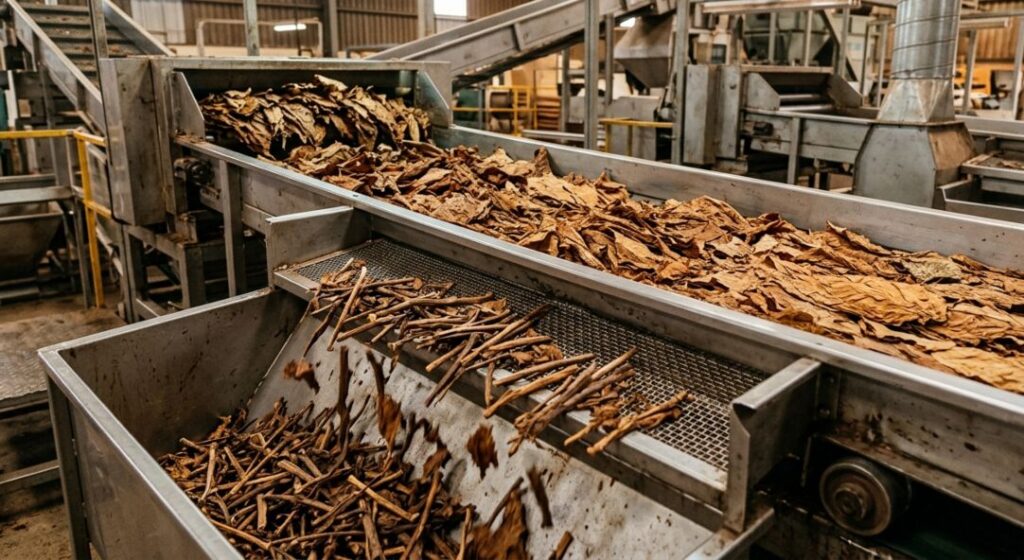
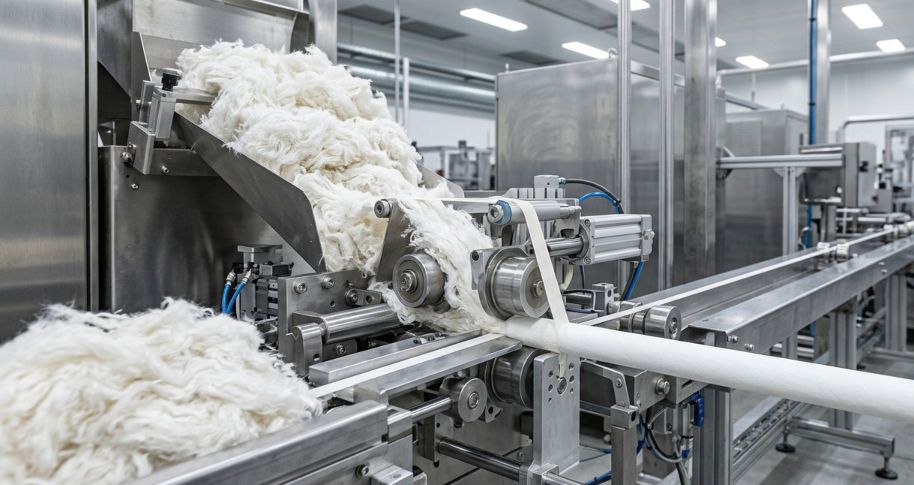
Separation happens through threshing, carried out at a threshing and redrying plant, typically located close to tobacco growing regions before leaf is shipped onward to manufacturing facilities. Cured leaf arrives at the plant and is first conditioned to a moisture level that makes it pliable enough to handle without excessive breakage. It then passes through threshing machinery, which mechanically beats and shakes the leaf to separate the softer lamina from the stiffer midrib, while the separated material passes through a series of sieves sized to sort lamina strips by particle size.
The result is two distinct output streams, threshed lamina in various size grades, and separated stem, each of which follows a different processing path from that point forward.
Why Lamina and Stem Are Processed Separately
The two materials aren’t interchangeable, and treating them identically would waste much of the value in careful leaf selection. Lamina carries the bulk of a leaf’s flavor compounds, sugar content, and nicotine, and is the primary material used directly in cut filler blends. Stem is denser, lower in nicotine and sugar, and burns differently, which means it’s rarely used directly as cut filler in significant quantity. Instead, separated stem is commonly redirected into other processing streams, including as a raw material input for reconstituted tobacco sheet, where it can be pulped and reformed into a usable filler component rather than going to waste. Our guide to tobacco reconstituted sheet manufacturing covers that process in detail.
Grading Threshed Lamina
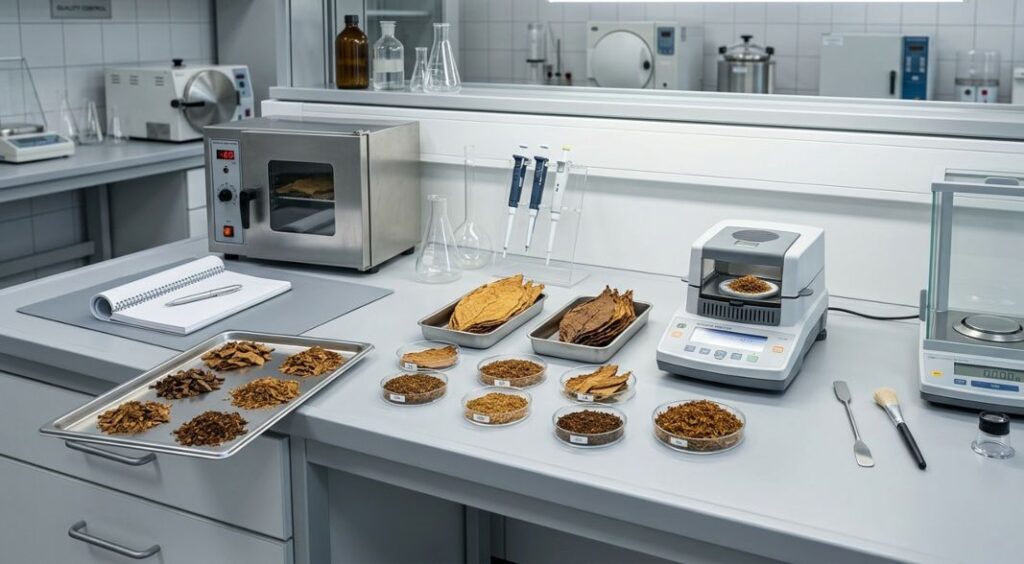
Once separated, lamina is graded by size, leaf style, color, and quality characteristics inherited from the original leaf grading done at the farm or auction level. This grading determines how a given lot of lamina will be used in blend design, since different grades carry different flavor intensity, body, and combustion characteristics that blenders draw on deliberately when building a specific product profile. Consistent, accurate grading at this stage is part of what allows a manufacturer to reproduce the same blend characteristics run after run, even as the specific leaf lots being processed change with each growing season.
Redrying and Case Preparation
After threshing and grading, lamina is redried to a controlled, stable moisture level suitable for long-term storage, then packed into cases or bales for storage and eventual shipment to a manufacturing facility. Redrying to the correct target moisture matters enormously for storage stability, since tobacco held at the wrong moisture level is prone to mold, uneven aging, or excessive brittleness during the months or years it may sit in storage before being used in production.
From Processed Lamina to Cut Filler
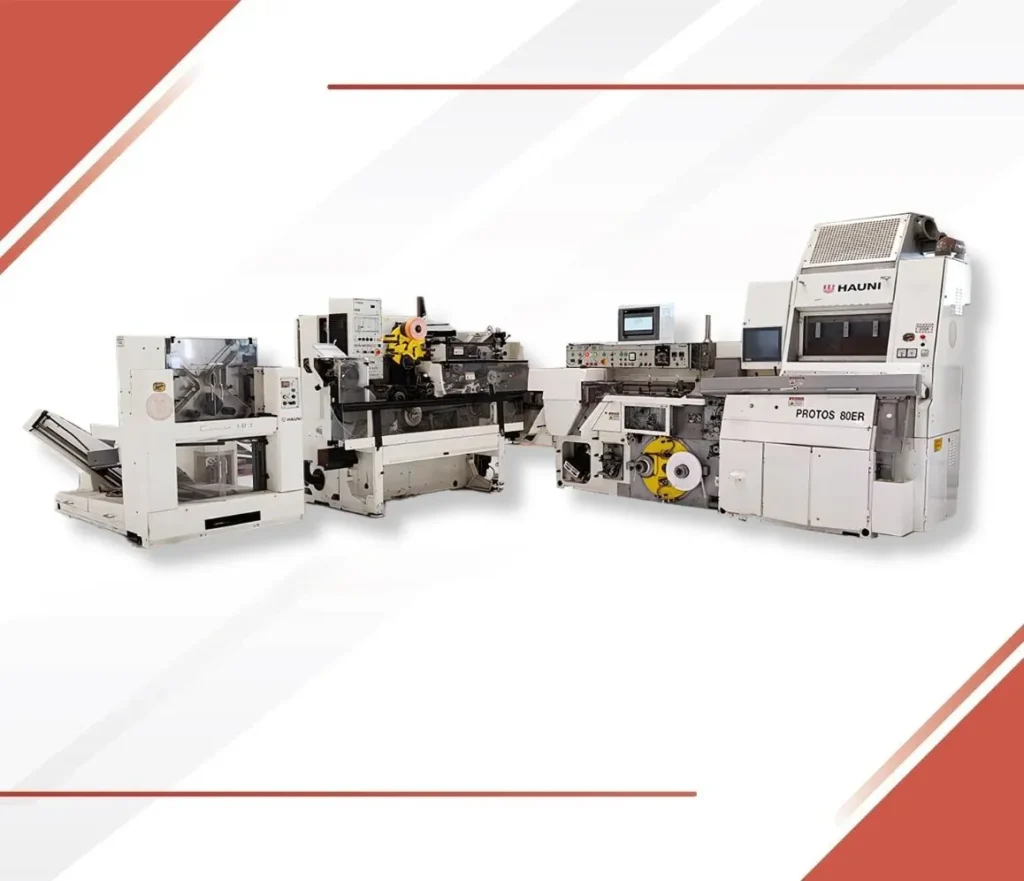
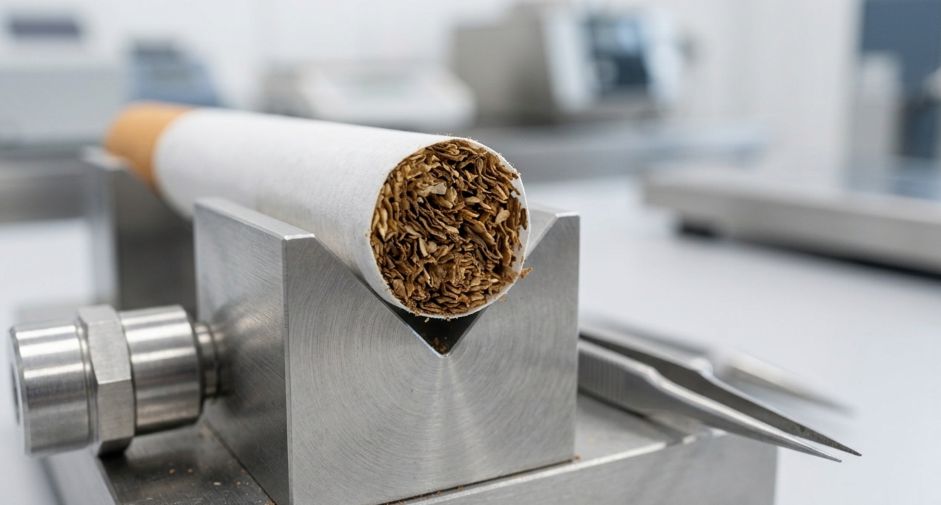
When a manufacturer draws lamina from storage for a production run, it’s reconditioned to the moisture level required for cutting, then blended according to formulation and cut into strands sized for the finished product. In most modern blends, cut lamina is combined with expanded tobacco and reconstituted sheet at ratios set during product development, before the finished cut filler feeds into cigarette making machines for rod formation. The quality and consistency of lamina processing upstream directly affects how predictably that blend behaves once it reaches the production line, which is part of why manufacturers with tighter control over sourcing and processing tend to produce more consistent finished product than those working from inconsistently graded material.
Lamina Processing and Blend Design
Blend formulation, deciding what mix of lamina grades, expanded tobacco, and reconstituted sheet goes into a given product, is one of the more specialized decisions in cigarette manufacturing, and it’s built entirely on the foundation of consistent, well-graded lamina. A full picture of how this stage connects to the rest of production is available on our tobacco machinery page.
For brand owners exploring private label or contract manufacturing arrangements, lamina sourcing and grading are almost always handled by the manufacturer rather than specified in detail by the client, but they’re worth asking about directly, since a manufacturer’s access to consistently graded, well-processed lamina has a real, measurable effect on how stable a blend’s characteristics stay from one production run to the next.
Final Thoughts
Tobacco lamina processing is one of the earliest and least visible stages in the journey from harvested leaf to finished cigarette, but the decisions made here, how cleanly lamina is separated from stem, how carefully it’s graded, how well it’s redried and stored, set the ceiling for everything that follows. A blend can only be as consistent as the lamina it’s built from, which makes this quiet, upstream processing stage one of the more important places to get right.