Cigarette filters play a critical role in the tobacco industry, shaping both product quality and consumer satisfaction more than their small size suggests. For tobacco industry professionals, understanding the actual mechanics of cigarette filter manufacturing matters for maintaining efficient operations and holding quality standards, not just for general industry awareness.
This guide covers the real manufacturing process, the technology behind it, quality control, environmental considerations, and where filter design is actually heading, useful whether you’re new to the field or have been in it for years.
A cigarette filter looks like a minor component, but it’s central to the smoking experience, reducing smoke harshness and filtering out some impurities. Manufacturers design filters around a balance of taste, draw resistance, and filtration efficiency, three variables that pull against each other and directly shape consumer satisfaction.
Filters are most commonly made from acetate tow, valued for its porous structure and filtration efficiency. Beyond material, filters vary in size, composition, and functionality, with modern options extending to flavor capsules and activated carbon, variations built to match both consumer preference and regional regulatory requirements.
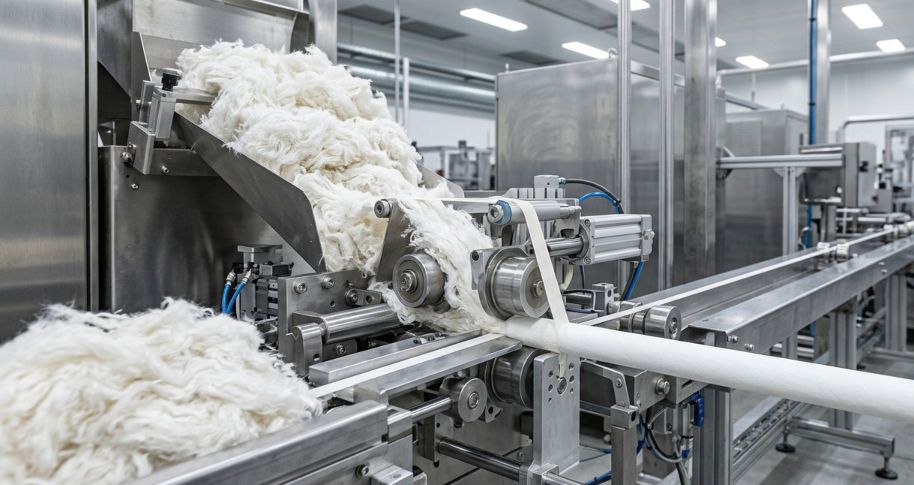
Filter manufacturing runs through several distinct mechanical stages before a finished filter rod is ready for the tipping process. Here’s what actually happens:
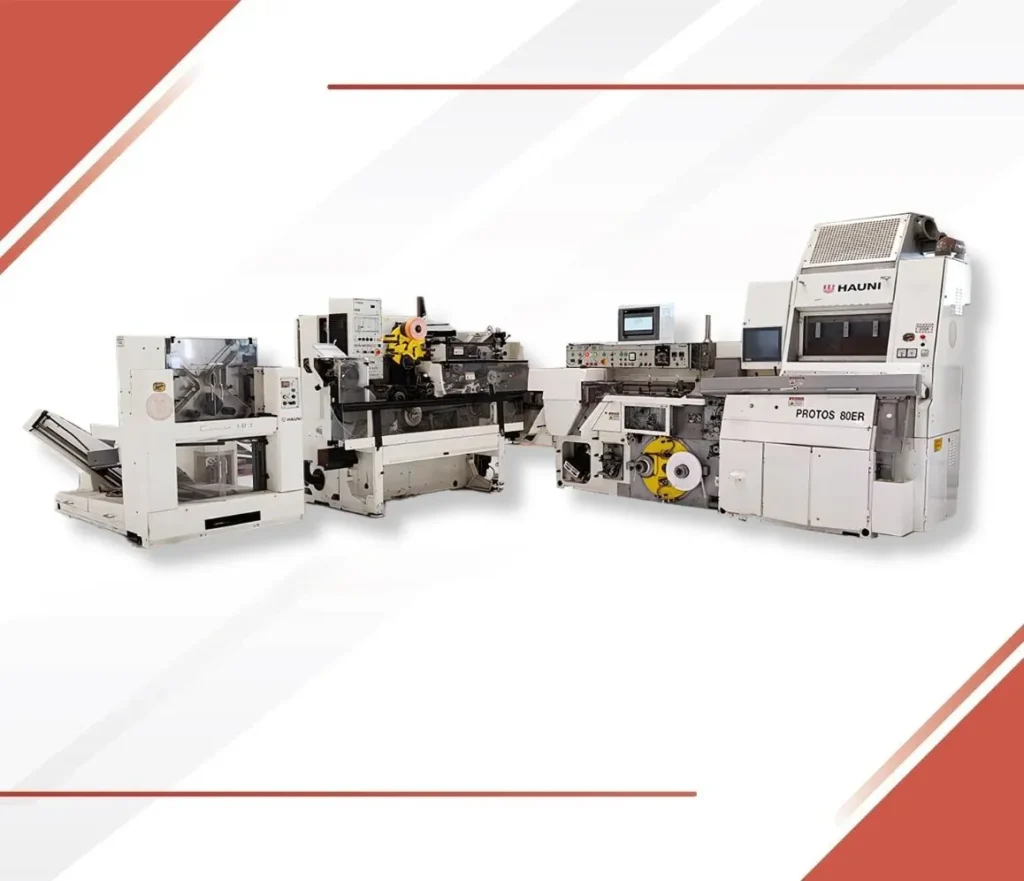
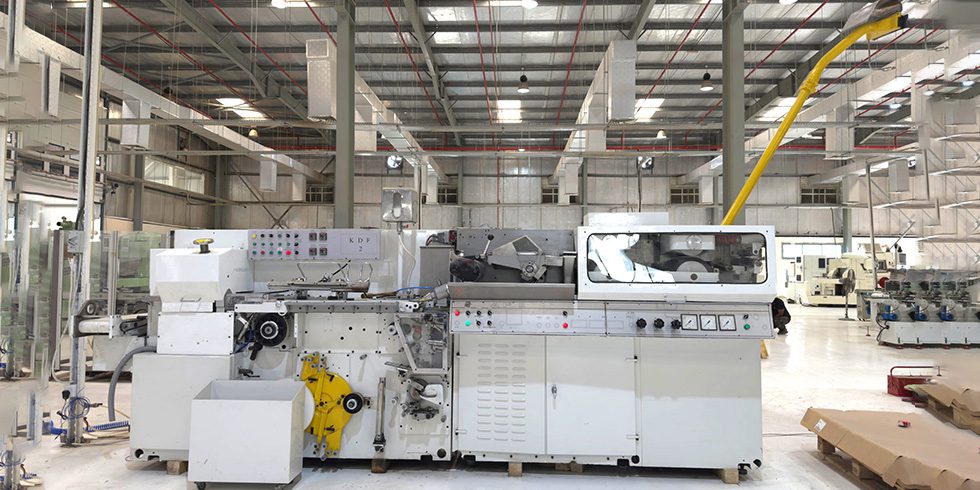
The Hauni KDF-2 is a widely used, high-capacity filter-making machine built around exactly this process. Key specifications:
Power specifications run 40KW for the KDF-2 unit and 15KW for the HCF80, a combined 55KW that’s efficient relative to the machine’s 400 m/min throughput, and its robust design makes it a solid fit for high-capacity production lines. (Explore all Cigarette Filter Manufacturing Machines)
Modern filter production leans heavily on PLC and servo technology to hold precision, consistency, and reduced downtime at speeds that would have been unreachable with older mechanical designs. Machines like the KDF-2 are a direct expression of that shift.
Materials science is pushing the category further too, with manufacturers experimenting with biodegradable materials and new additives that address both smoking performance and environmental impact at the same time, rather than treating them as separate goals.
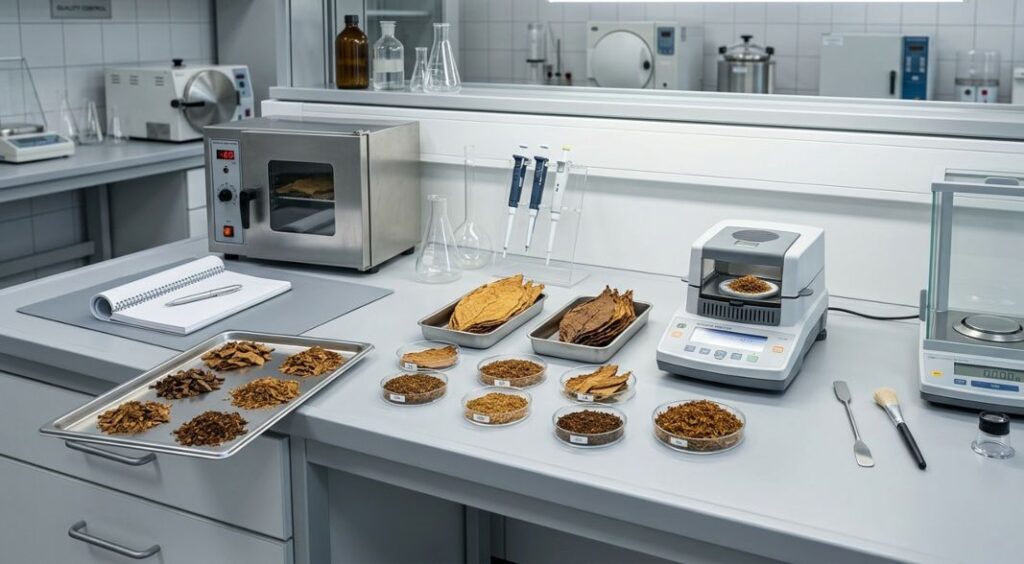
Filter quality is genuinely non-negotiable, and industry suppliers like Orchid Tobacco in Dubai build quality control into every stage of filter production rather than checking only at the end.
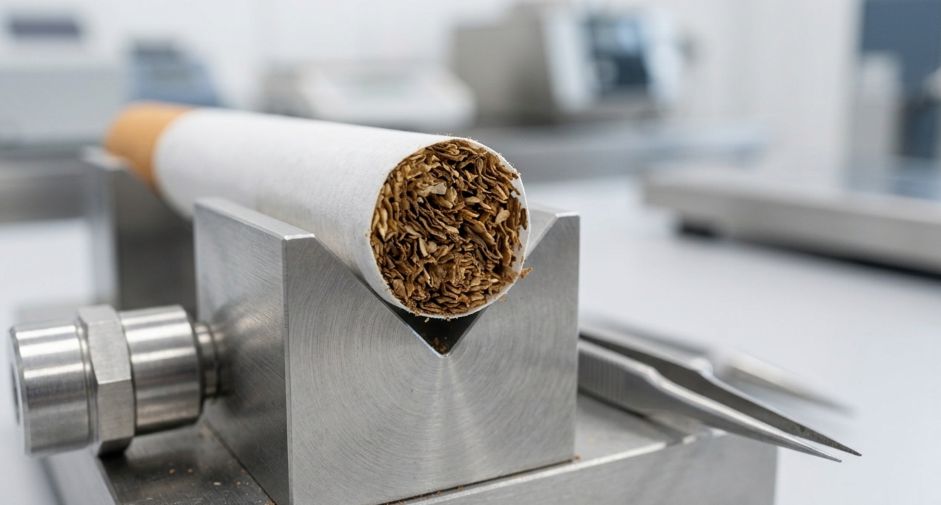
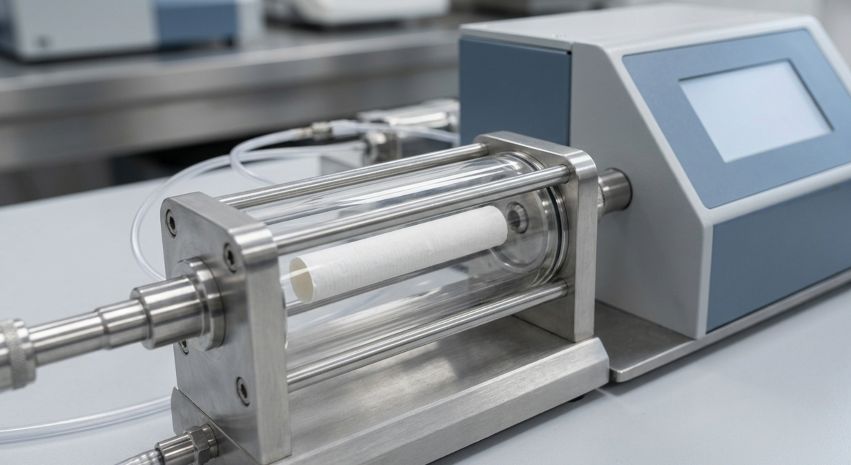
Key Quality Control Measures:
Sensor-based real-time quality monitoring has become standard practice among leading factories, catching drift as it happens rather than after a batch is already complete. (Check Complete Tobacco Machinery by Orchid Tobacco)
Filter sustainability is a growing, legitimate concern. Traditional acetate filters aren’t biodegradable and contribute meaningfully to global cigarette-related waste, which has pushed real initiatives to address the problem rather than just acknowledge it.
Sustainable Practices in Filter Manufacturing:
Adopting these practices lets the tobacco industry align with sustainability goals in a way that satisfies both regulators and increasingly environmentally conscious consumers.
Filter manufacturing keeps evolving alongside technology and shifting consumer preference. Key trends worth watching:
Manufacturers like Orchid Tobacco in Dubai stay ahead of these shifts by supplying the machinery and technical expertise that make adopting them practical rather than theoretical.
Why is plasticizer application such a critical step in filter manufacturing?
Without it, the opened acetate tow stays a loose bundle of fibers rather than a stable filter structure. The plasticizer, typically triacetin, is what actually bonds the fibers together into something that holds shape and filtration performance consistently.
How does the KDF-2 compare to smaller filter-making machines like the KDF-1?
The KDF-2 is built for higher-volume production, rated in meters of acetate tow processed per minute rather than a fixed filter count, making it the better fit for large-scale operations. Smaller-capacity machines suit factories with lower sustained filter demand.
Are biodegradable filter materials a realistic replacement for acetate tow today?
They’re advancing quickly but aren’t yet a universal drop-in replacement across all filter formats and regulatory environments. Most manufacturers currently treat biodegradable options as a growing category alongside acetate rather than a full replacement.
Cigarette filters are more than add-ons, they define product quality, consumer experience, and increasingly the environmental footprint of the companies that make them. From precision machinery like the Hauni KDF-2 to a genuine push toward sustainability, filter manufacturing is evolving faster than its low profile in most production discussions would suggest.
For industry professionals looking to improve their filter production line, Orchid Tobacco supplies the tobacco machinery built for exactly these modern demands, whether the goal is efficiency, quality compliance, or aligning with where sustainability requirements are clearly heading.