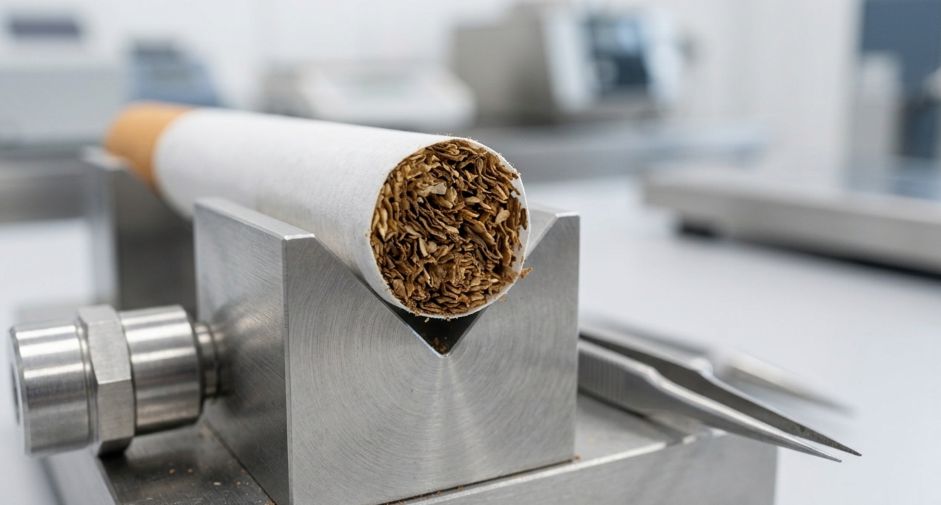
The very tip of a cigarette, right where the rod is cut, is one of the more failure-prone spots on the entire finished product if a specific and often overlooked quality attribute isn’t controlled properly. Cigarette end fill describes exactly how well tobacco is packed at that cut edge, and getting it wrong shows up as loose tobacco, uneven light-up, and a finished product that looks and feels less solid than it should.
This article covers what cigarette end fill actually means, why it’s distinct from overall rod quality, what causes it to go wrong, and how manufacturers keep it consistent.
End fill refers to the density and consistency of tobacco packing specifically at the cut ends of a cigarette rod segment, as opposed to the tobacco density along the rod’s overall length. A rod can measure well within tolerance for weight, circumference, and draw resistance across its body and still have a weak, loosely packed, or hollow-looking end if the cutting and forming process disturbs the tobacco structure right at the point of separation. It’s a localized quality characteristic rather than a whole-rod measurement, which is exactly why it needs its own attention separate from general rod quality checks.
Tobacco shedding. A poorly filled end is more likely to shed loose tobacco during handling, packing, and eventual use, which consumers notice immediately and associate with a lower-quality product.
Uneven light-up and burn. The lit end of a cigarette is exactly where end fill matters most for the actual smoking experience. Inconsistent tobacco packing at that point can cause uneven initial burn compared to a properly filled end.
Combining stage reliability. Where a filter is joined to a tobacco rod, a weak or unstable cut end can affect how reliably the combining process handles that rod segment, occasionally contributing to production defects or rejects at that stage.
Visual appearance. A hollow or loosely packed end is visible on inspection and reads as a defect even when every other measurable quality on the rod is within spec, which makes it a disproportionately visible problem relative to how localized it actually is.
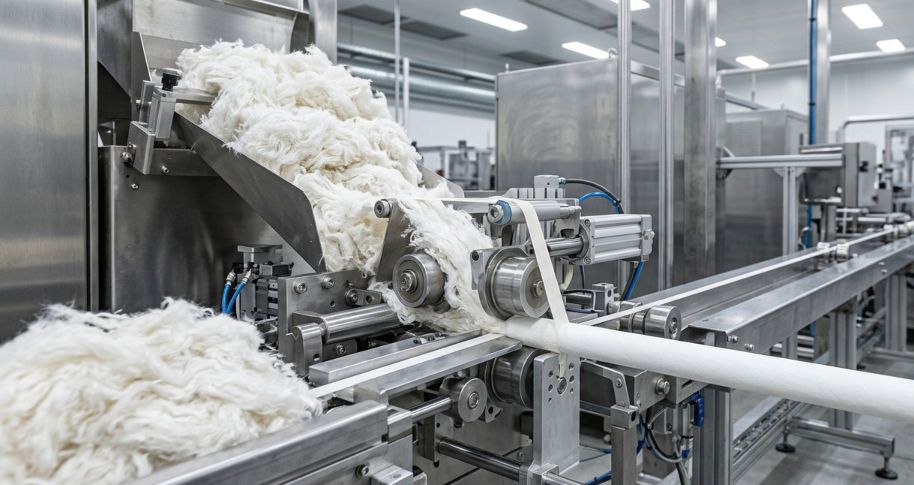
General rod quality, covered in our guide to the cigarette rod making process, and physical measurements like draw resistance and circumference, assess the rod as a whole or at a representative sampling point along its length. End fill is specifically about what happens right at the cut interface, a point where the tobacco stream is physically severed rather than continuously formed, and where mechanical disturbance from the cutting action itself can introduce inconsistency that wouldn’t show up in a mid-rod measurement.
Tobacco feed inconsistency near the cut point. If tobacco density tapers or becomes uneven right before the cutting stage, the resulting cut ends inherit that inconsistency directly.
Cutting blade condition. A dull or improperly maintained cutting blade can drag through the tobacco rather than cutting cleanly, disturbing the tobacco structure at the cut face and producing a ragged or loosely packed end rather than a clean, stable one.
Mechanical vibration during cutting. High-speed cutting introduces real mechanical stress at the point of separation, and any vibration or misalignment in the cutting mechanism can disrupt tobacco packing right where the cut occurs.
Rod firmness variation. If overall rod firmness, discussed in our guide to the rod making process, isn’t held consistently, the ends are often where that inconsistency becomes most visible, since they’re the point most exposed to mechanical disturbance during cutting.
End fill is checked through a combination of visual inspection, both manual spot checks by trained operators and, increasingly, camera-based optical inspection systems built to specifically examine cut rod ends for consistency at production speed. Beyond direct visual inspection, manufacturers also track defect and reject rates at the combining stage as an indirect signal, since a rise in rejects tied to rod-end quality often points back to an end fill problem further upstream.
Controlling end fill comes down to a handful of practical, ongoing maintenance and calibration practices. Cutting blades are maintained on a defined schedule and replaced before dullness becomes severe enough to visibly affect cut quality. Tobacco feed calibration is checked specifically near the cutting point, not only at the general metering stage, since that’s where any tapering or inconsistency has the most direct effect on end fill. Machine speed and vibration are monitored as part of routine maintenance, since mechanical wear anywhere in the cutting assembly can introduce the kind of disturbance that shows up as poor end fill even when every other part of the rod-forming process is running correctly.
Beyond the immediate visual and consumer-facing issues, persistent end fill problems tend to show up as elevated reject rates at the combining stage, adding cost and reducing overall production efficiency. Left unaddressed, it’s also one of the quieter contributors to inconsistent brand perception, since it’s a defect consumers notice and describe even when they wouldn’t be able to name the underlying cause.
End fill is one of the more specific, localized checks within the wider system covered in our guide to cigarette manufacturing quality control. It’s a useful example of why quality control has to look beyond aggregate measurements like weight and circumference, since a rod can pass every whole-rod test and still have a localized defect that only shows up under closer, targeted inspection.
For brand owners working through private label or contract manufacturing arrangements, end fill isn’t typically something specified directly in a product brief, but it’s a fair, practical question to ask a prospective manufacturer about, since a factory’s attentiveness to a detail this specific is a reasonable proxy for how seriously they treat quality control generally.
Cigarette end fill is a small, localized detail with an outsized effect on how a finished cigarette actually looks, feels, and performs at the exact point a consumer first interacts with it. It sits slightly outside the standard set of whole-rod measurements, which is exactly why it needs its own dedicated attention through blade maintenance, feed calibration, and targeted visual inspection rather than being assumed to follow automatically from good rod-wide quality control.

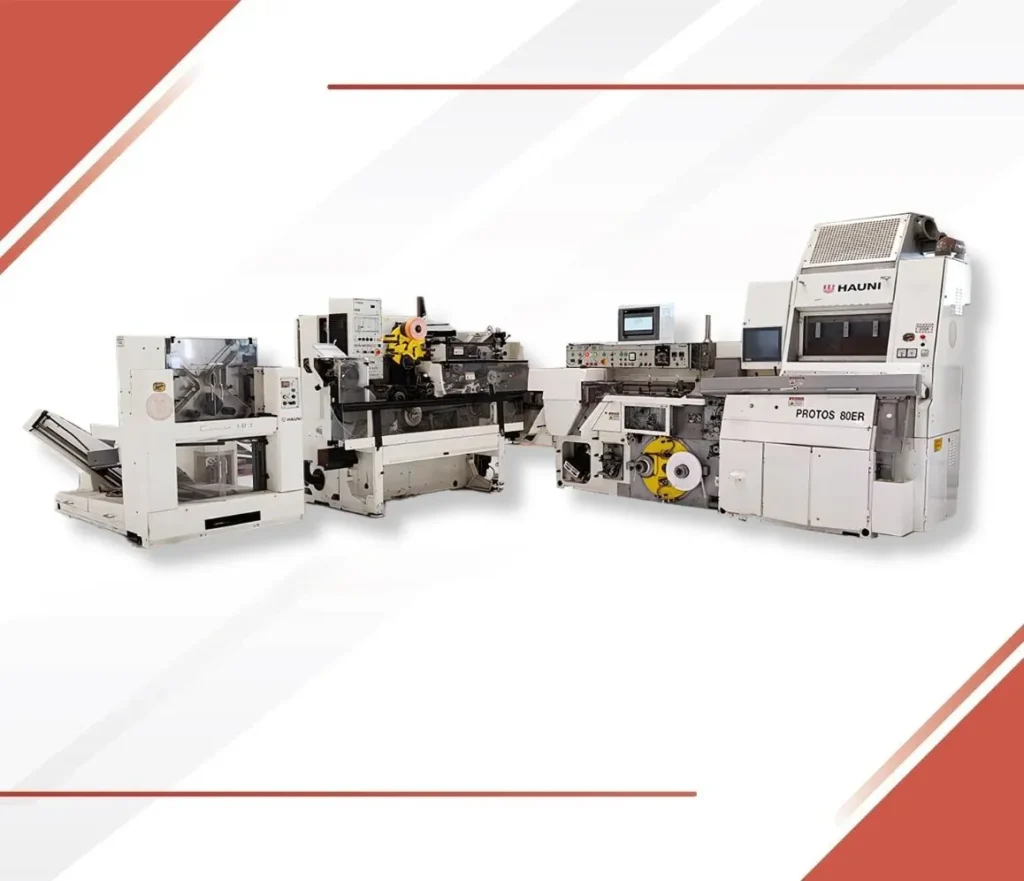
We specialize in the provision of Tobacco Machinery. Our expertise encompasses not only the trading of machinery but also extends to being a dedicated supplier. This specialization is enriched by our comprehensive solutions tailored for emerging Cigarette Companies. What sets us apart is our ability to offer firsthand insights through our active Cigarette Manufacturing operation in the UAE.