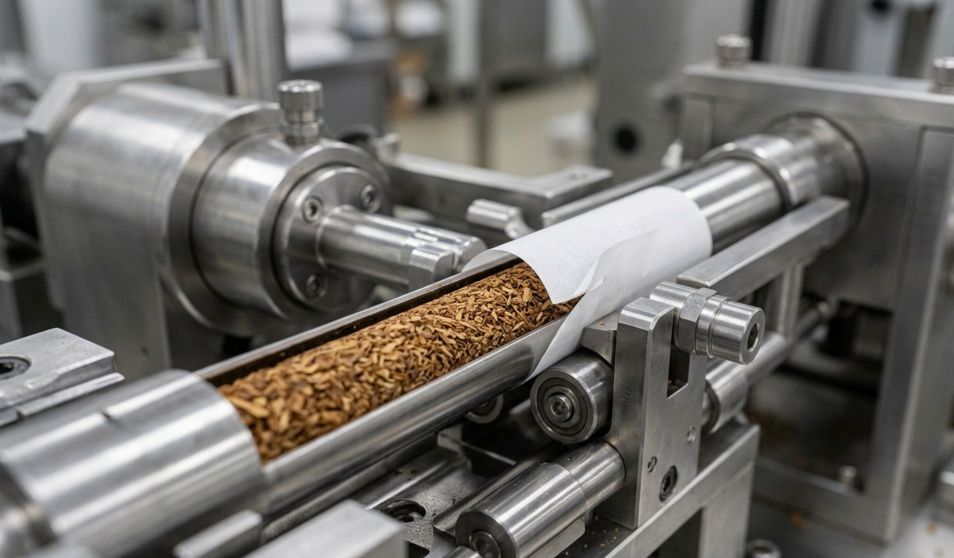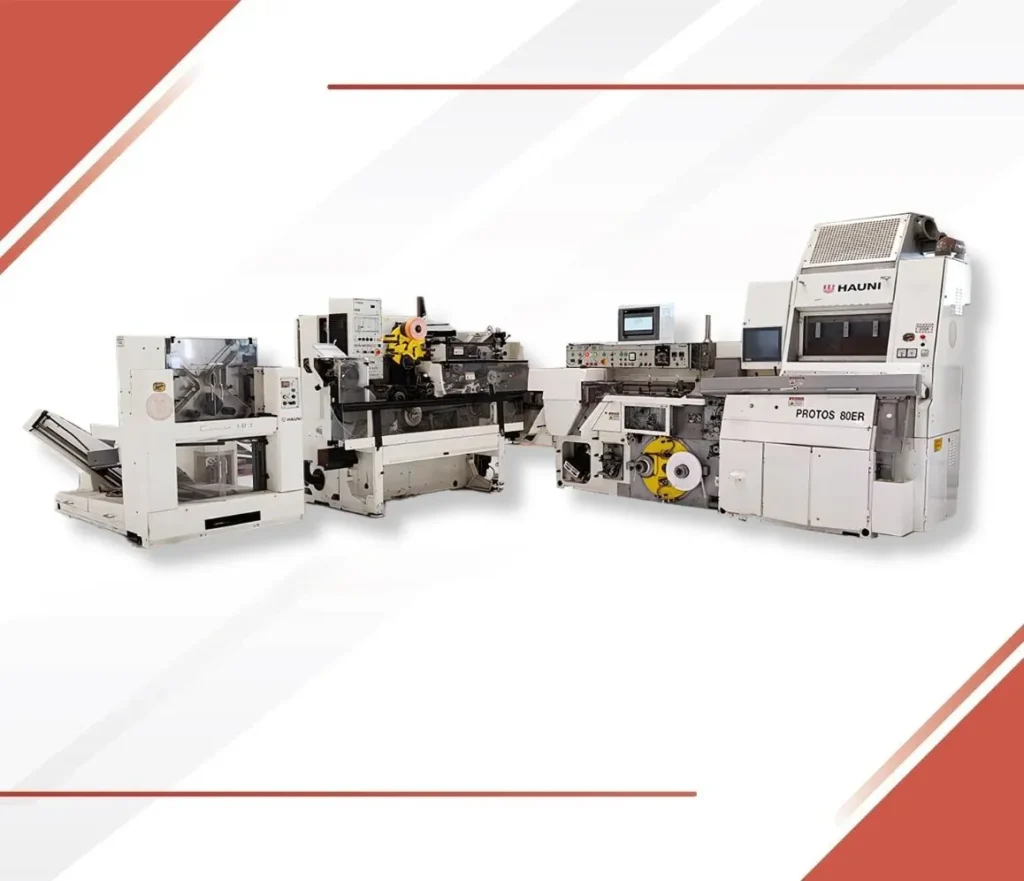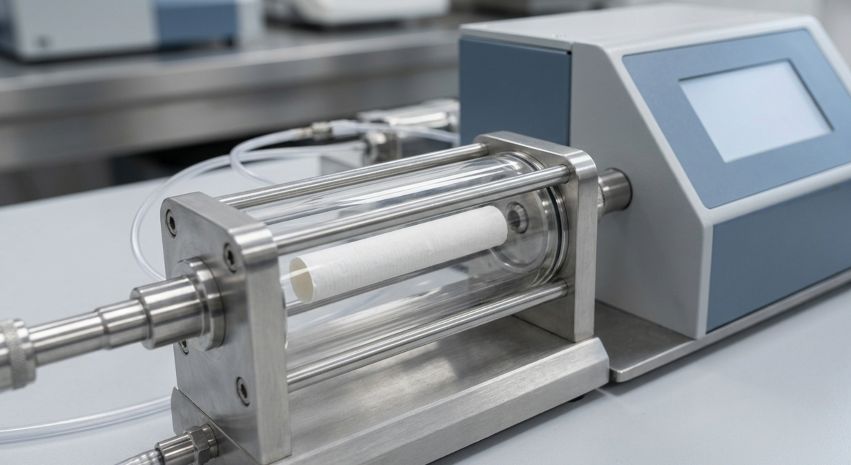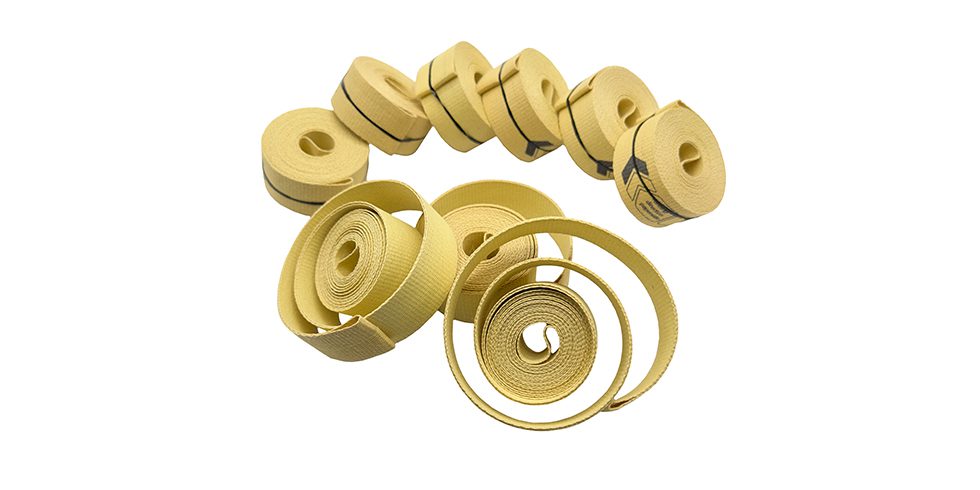
In the highly competitive and precision-driven tobacco industry, operational efficiency depends heavily on the reliability of machinery. From cigarette making to packing, every stage requires consistent performance — and this is only possible when the right tobacco machinery spare parts are used and maintained properly.
This comprehensive guide is designed for manufacturers, plant managers, procurement teams, and industry professionals who want a deeper understanding of cigarette machinery spare parts, their types, sourcing strategies, maintenance planning, and long-term cost optimization.
Tobacco production involves complex, high-speed machines operating continuously under demanding conditions. Over time, wear and tear is inevitable, making spare parts essential for:
Whether you’re operating cigarette makers, filter assemblers, or packing lines, having access to reliable spare parts is critical to sustaining production efficiency.
For a broader overview of machinery used in tobacco production, explore Tobacco Machinery
Understanding the different categories of spare parts helps manufacturers plan inventory and maintenance more effectively.
Mechanical components are subject to continuous motion and friction. These include:
These parts require regular inspection as they directly affect machine performance and precision.
Modern cigarette machines rely heavily on automation systems. Key components include:
Faulty electronic components can cause sudden breakdowns, making it essential to source high-quality replacements.
Used in high-speed packaging and assembly operations, these parts include:
Proper functioning ensures smooth and consistent machine operations.
These are parts that naturally degrade faster and need frequent replacement:
Having a steady supply of these cigarette machinery spare parts is crucial to avoid interruptions.
Different machines require specialized components tailored to their design and functionality.
The Mark 8 machine is known for its reliability and precision in cigarette production. Common spare parts include:
Explore detailed specifications here: Mark 8 Spare Parts
The Mark 9 is a high-speed production machine requiring durable and precise components such as:
Learn more: Mark 9 Spare Parts
Packing machines like HLP require parts that ensure accurate and fast packaging:
Check full details: HLP sparte parts
One of the most important decisions manufacturers face is choosing between OEM (Original Equipment Manufacturer) and aftermarket parts.
Advantages:
Disadvantages:
Advantages:
Disadvantages:
Best Practice
For critical components affecting machine accuracy, OEM parts are recommended. For non-critical or consumable items, high-quality aftermarket parts can significantly reduce costs without compromising performance.
Sourcing the right parts is as important as selecting the right machines. Poor-quality parts can lead to:
Key Factors to Consider
Choose suppliers with proven experience in the tobacco machinery industry.
Ensure parts meet industry standards and specifications.
Quick access to spare parts reduces downtime.
Reliable suppliers offer guidance on installation and compatibility.
For a complete range of high-quality spare parts
Reactive maintenance is costly and inefficient. A well-structured preventive maintenance plan helps:
Regularly check wear-prone components such as belts, blades, and bearings.
Maintain a stock of critical spare parts to avoid production delays.
Track machine output and identify early signs of inefficiency.
Ensure operators understand proper machine handling and basic maintenance.
Despite its importance, spare parts management comes with challenges:
Holding too many parts ties up capital, while too few risks downtime.
Low-quality or counterfeit components can damage machines and reduce efficiency.
Incorrect parts can lead to performance issues or machine damage.
Solution
Partnering with a trusted supplier and implementing a digital inventory system can significantly improve spare parts management.
Reducing costs without compromising quality is a key goal for manufacturers.
Smart Strategies Include:
These strategies help balance operational efficiency with cost control.
The quality of cigarettes produced is directly linked to machine performance. Worn-out or low-quality parts can result in:
For manufacturers targeting premium markets or regions like Dubai, maintaining quality is essential.
You can explore market insights here: Cigarette Brands
The industry is evolving with advancements in technology.
Key Trends:
Integration with IoT for predictive maintenance.
Parts designed for high-speed automated systems.
Eco-friendly and longer-lasting components.
Manufacturers who adapt to these trends will gain a competitive advantage in efficiency and cost management.
A reliable spare parts partner does more than just supply components. They:
Choosing the right partner is a strategic decision that impacts your entire production process.
Tobacco machinery spare parts are not just replacements — they are a critical component of your production strategy. From ensuring operational continuity to maintaining product quality, the right parts play a vital role in the success of any tobacco manufacturing business.
By understanding the types of spare parts, sourcing them effectively, choosing between OEM and aftermarket options, and implementing a strong maintenance plan, manufacturers can significantly enhance efficiency and profitability.
Investing in high-quality tobacco machinery spare parts and cigarette machinery spare parts is ultimately an investment in your production reliability and long-term growth.

We specialize in the provision of Tobacco Machinery. Our expertise encompasses not only the trading of machinery but also extends to being a dedicated supplier. This specialization is enriched by our comprehensive solutions tailored for emerging Cigarette Companies. What sets us apart is our ability to offer firsthand insights through our active Cigarette Manufacturing operation in the UAE.