Loose cut tobacco doesn’t look anything like a cigarette. It’s a shifting pile of shredded leaf until a continuous, high-speed forming process turns it into a uniform, paper-wrapped rod, cut to precise length, thousands of times a minute. The cigarette rod making process is the mechanical heart of every cigarette factory, and nearly every other quality metric that matters, draw resistance, circumference, weight consistency, traces back to how well this single stage is running.
This article walks through how the cigarette rod making process actually works, stage by stage, and what typically causes it to go wrong.
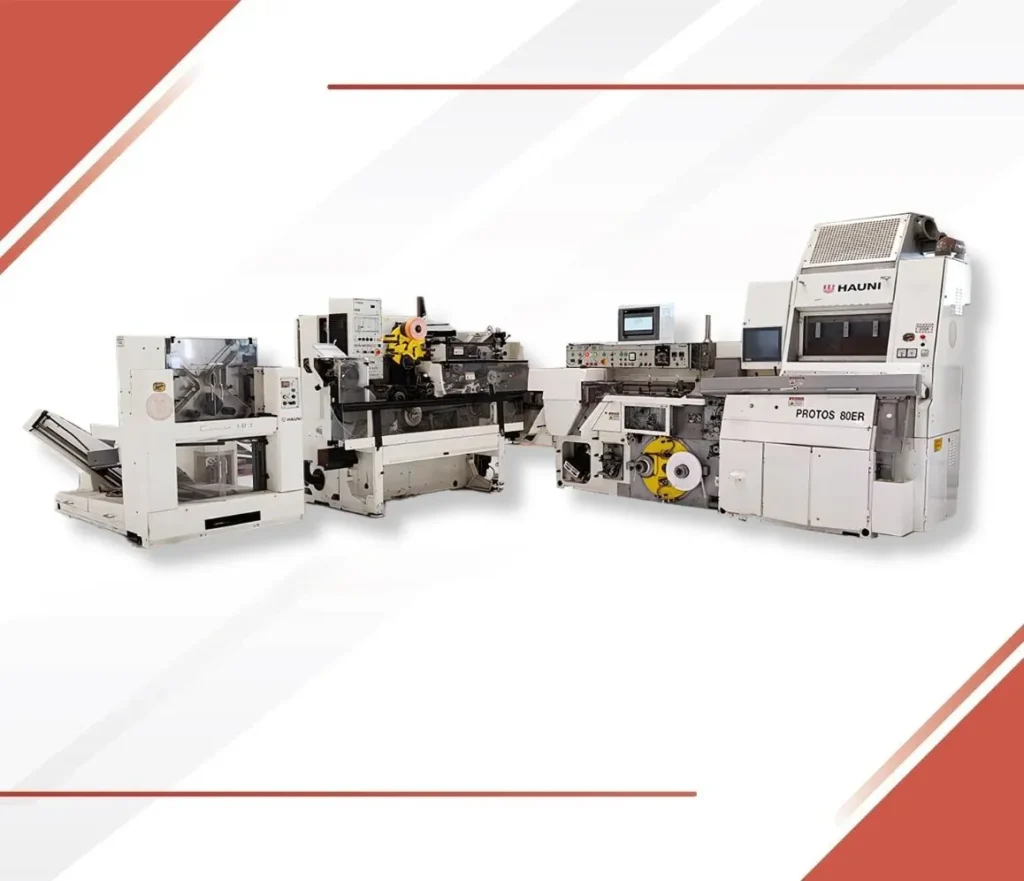
Rod making is the stage of cigarette production where cut filler tobacco is metered, formed into a continuous stream, wrapped in cigarette paper, and cut into rods, all on a single high-speed machine commonly referred to as a maker. It’s the step that transforms loose tobacco into something recognizably cigarette-shaped, before filters are attached and the product moves on to packing.
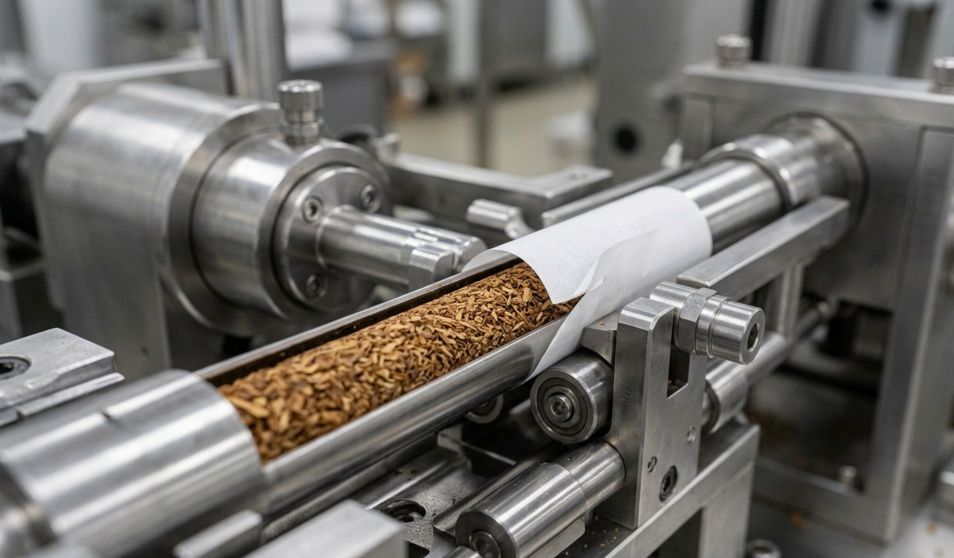
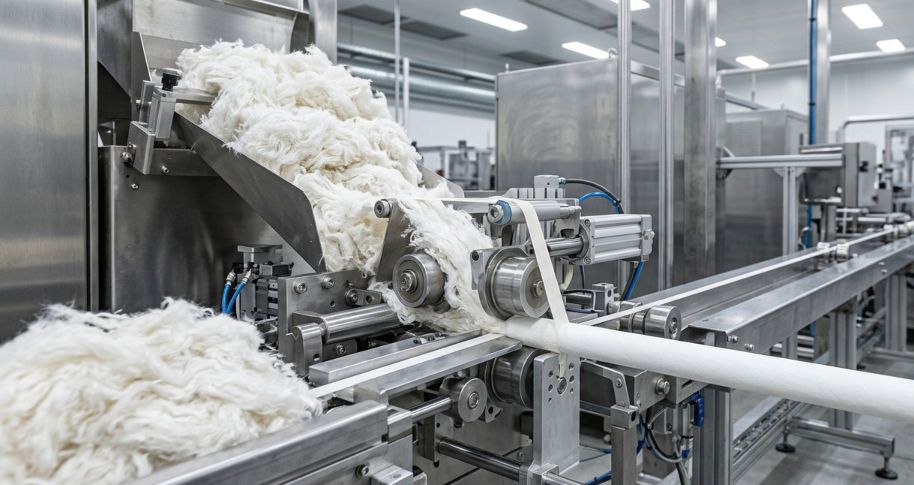
Cut filler tobacco, typically a blend of natural leaf, expanded tobacco, and reconstituted sheet, is fed from a hopper into a metering system that delivers it at a controlled, consistent rate onto a moving conveyor. Even, consistent metering here is the foundation for everything downstream, since any inconsistency in tobacco feed shows up later as weight, density, or circumference variance in the finished rod.
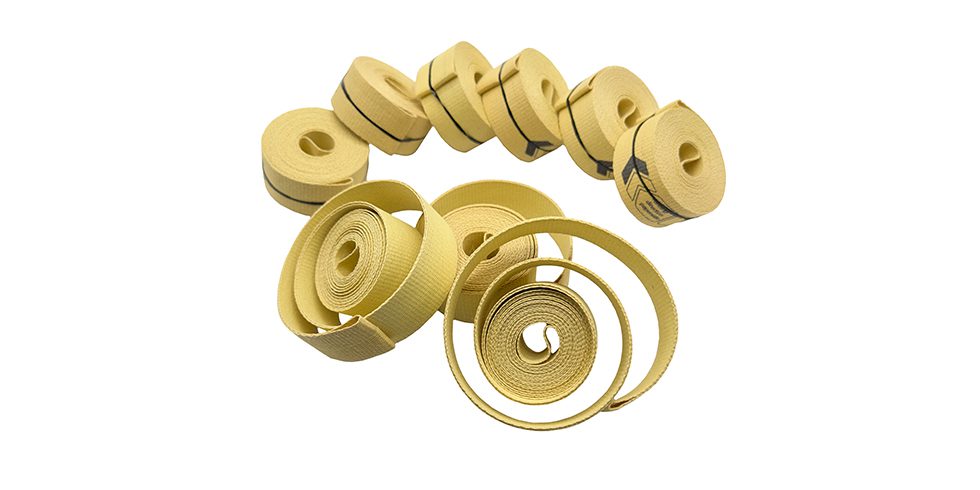
The metered tobacco stream passes onto the garniture, a continuously moving belt or tape system that shapes the loose tobacco into a defined rod profile. This is where the tobacco first takes on the rough dimensions of the finished cigarette, well before the paper wrap is applied.
Cigarette paper is drawn from a reel and formed around the shaped tobacco stream as it moves through the garniture, with the paper’s edges overlapped and sealed with a continuous line of adhesive to close the seam. This happens at extremely high speed, and the seal has to be consistent enough to hold the rod’s shape without leaking air along its length, since a poorly sealed seam directly affects draw resistance and burn behavior.
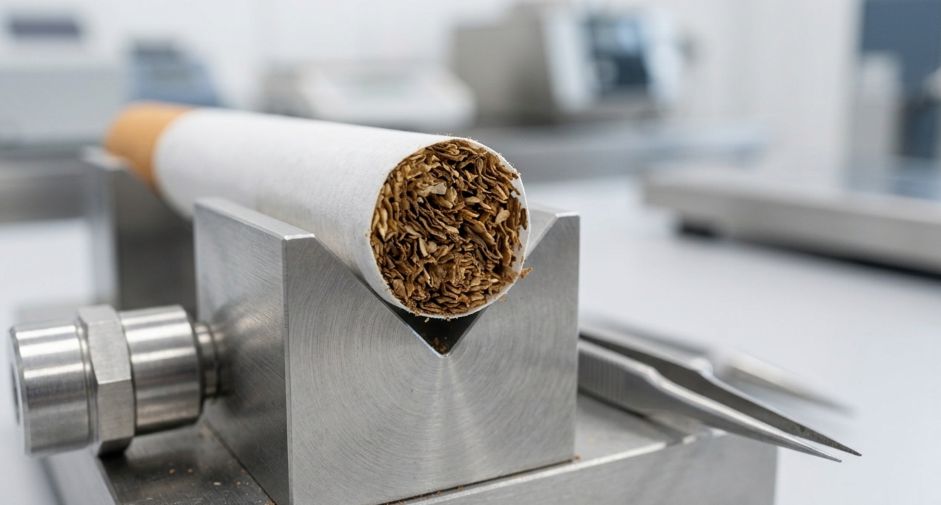
Once wrapped, the continuous rod passes through firming components that ensure consistent density and a stable, round cross-section along its full length. This stage is closely tied to circumference control, since any inconsistency here is exactly what shows up later as an out-of-spec measurement.
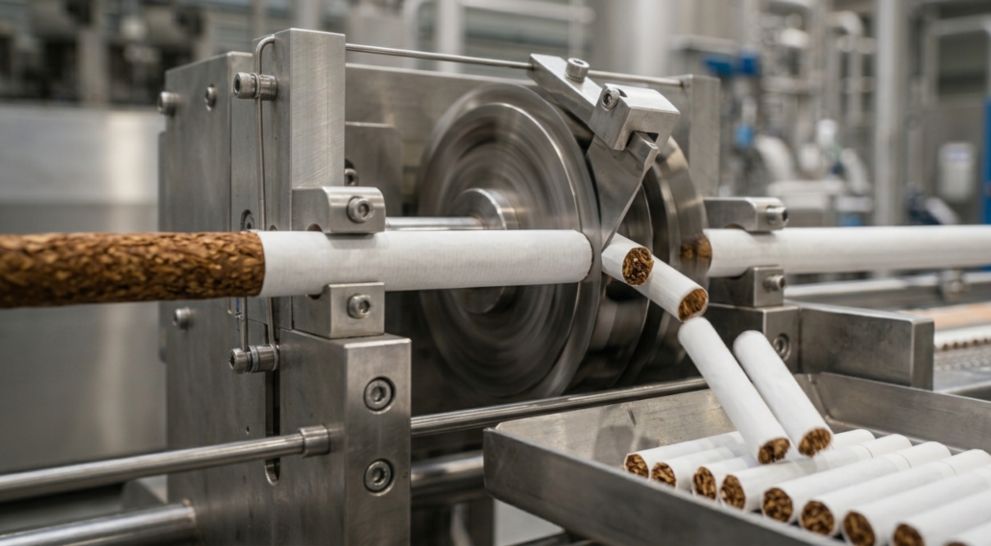
The continuous rod is cut into segments at precise intervals, commonly to double-cigarette length in many production setups, which are later combined with filters and cut again into individual finished sticks. Cutting has to be mechanically precise and synchronized with everything upstream, since even a small misalignment produces rods of inconsistent length.
Modern makers run continuous, high-speed monitoring throughout the process, checking weight, density, and circumference in real time and automatically rejecting segments that fall outside tolerance before they ever reach the next stage of production. This in-line rejection is what keeps defect rates low on a process running at very high output speeds.
High-speed cigarette making machines are capable of producing several thousand cigarettes per minute, a pace that makes manual inspection at every stage physically impossible and is exactly why in-line automated monitoring has become standard rather than optional. At that speed, even a brief inconsistency in tobacco feed or paper tension can generate a meaningful volume of defective product before anyone notices, which is part of why maker calibration and maintenance discipline matter as much as the raw specifications of the machine itself.
Rod making produces the tobacco rod itself, but a finished cigarette still needs a filter. That combination happens on equipment integrated with, or working directly alongside, cigarette filter making machines, where filter rods produced separately are combined with the tobacco rod, wrapped with tipping paper, and cut to final single-cigarette length. Rod making and filter attachment are typically run as a closely synchronized production line rather than two independent processes, since timing and speed have to match precisely for the combining stage to work.
A handful of recurring issues account for most quality problems at this stage. Inconsistent tobacco feed produces rods with variable weight and density along their length, directly affecting draw resistance. Paper tension that isn’t held steady during wrapping can produce loose, soft rods or, in the opposite direction, rods that are overly firm and dense. Seam sealing problems, often tied to adhesive temperature or application consistency, can leave a rod prone to air leakage along its length. And moisture inconsistency in the incoming tobacco blend, something covered in more depth in how manufacturers manage tobacco moisture during processing, affects how the tobacco behaves as it’s formed, with knock-on effects on nearly every downstream measurement.
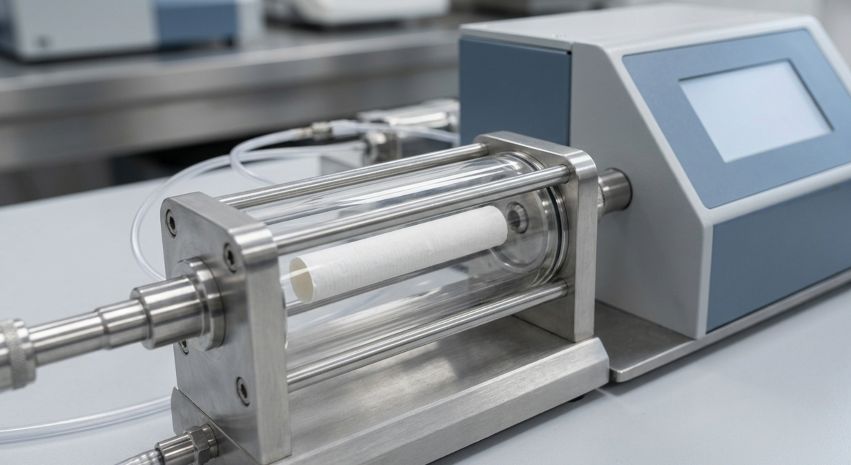
Rod making directly determines the outcomes measured in several other quality checks covered elsewhere on this site. Circumference measurement is essentially checking how consistently the rod-forming stage held its target dimensions. Draw resistance testing reflects how tightly the tobacco was packed during formation. Even ventilation testing, which happens at the filter stage, depends on a consistent rod diameter to produce reliable, comparable results. Rod making isn’t a standalone process so much as the upstream source of most of the physical characteristics that later testing exists to verify.
Rod firmness, circumference, and tobacco density are core specifications set during product development and held constant across every subsequent production run, coordinated closely with settings on the cigarette making machines producing them. A full view of how rod making connects to the rest of the production line is available on our tobacco machinery page.
For brand owners working through private label or contract manufacturing arrangements, rod specification isn’t usually something a first-time brand owner needs to define in technical detail, but understanding that it exists, and asking how consistently a manufacturer holds it across production runs, is a reasonable and useful question when evaluating a potential partner.
The cigarette rod making process runs at a speed and precision most people never think about, turning loose tobacco into a uniform, paper-wrapped rod thousands of times a minute with tolerances measured in fractions of a millimeter. It’s the upstream source of nearly every physical quality characteristic a finished cigarette has, which makes it one of the most important stages to get right, and one of the clearest signals of how disciplined a manufacturer’s overall production process actually is.

We specialize in the provision of Tobacco Machinery. Our expertise encompasses not only the trading of machinery but also extends to being a dedicated supplier. This specialization is enriched by our comprehensive solutions tailored for emerging Cigarette Companies. What sets us apart is our ability to offer firsthand insights through our active Cigarette Manufacturing operation in the UAE.