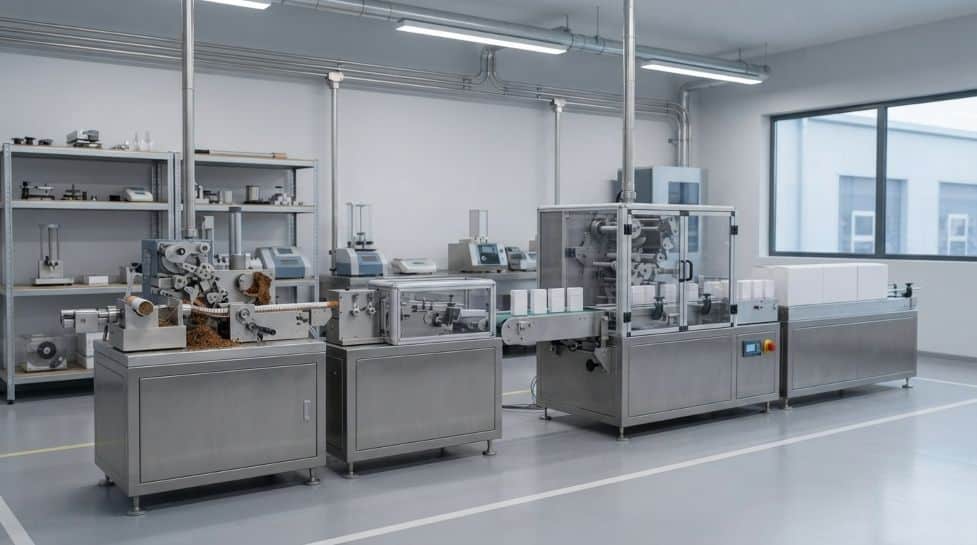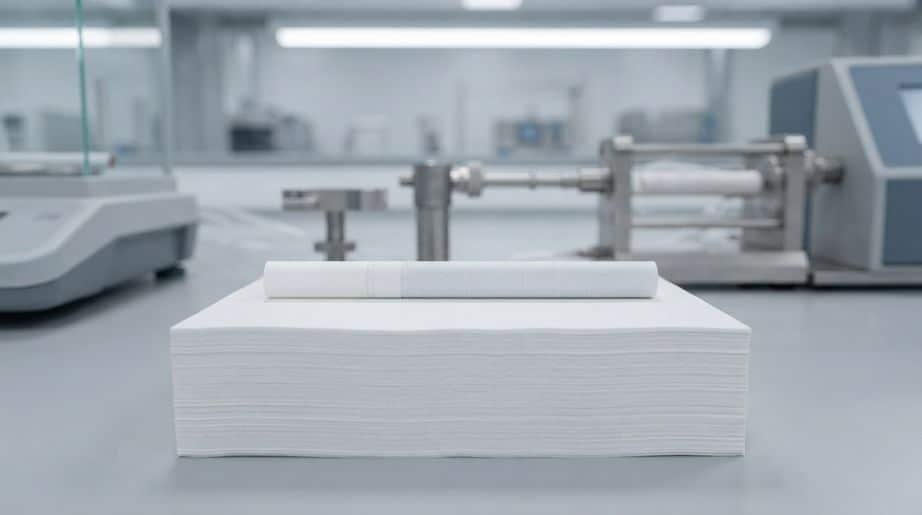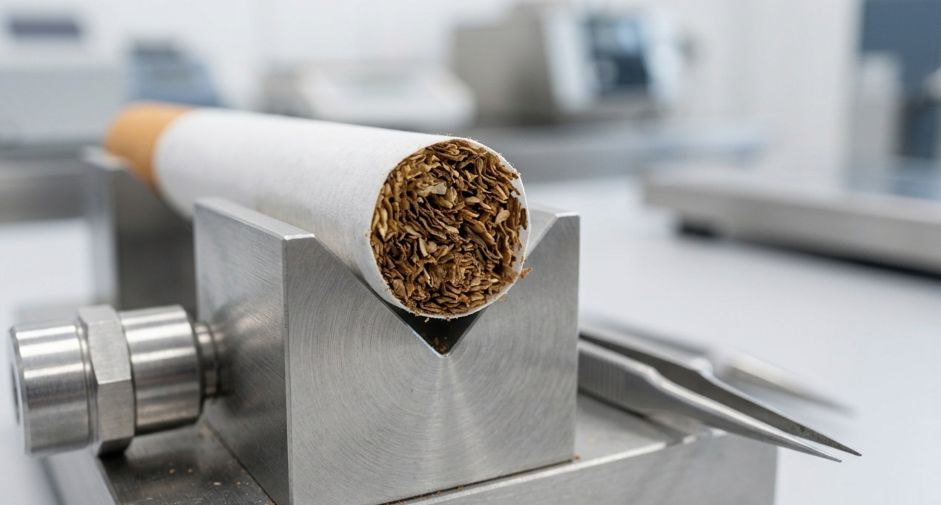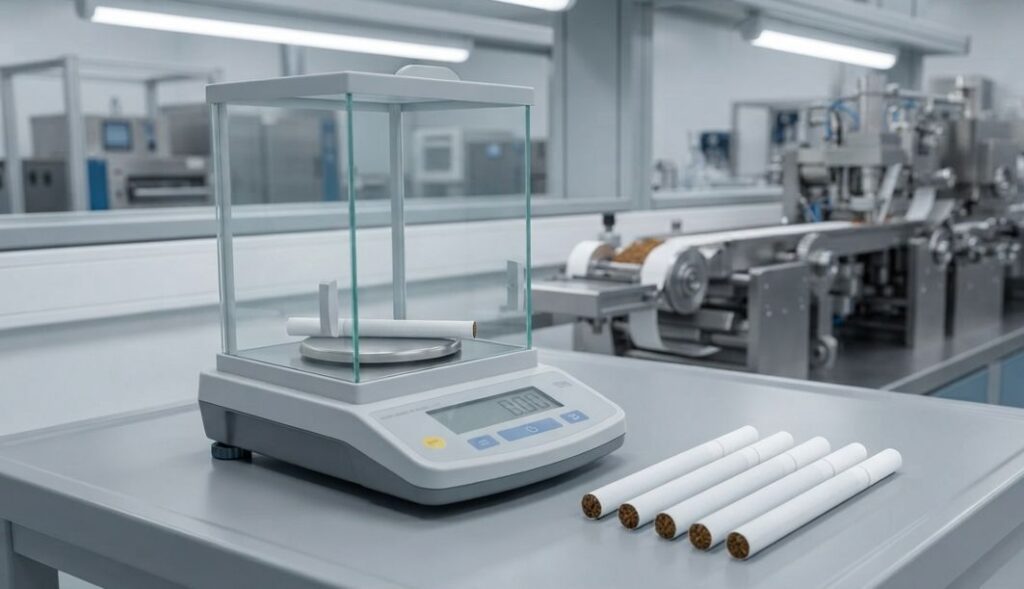
A cigarette maker running at several thousand sticks a minute cannot rely on anyone weighing each cigarette by hand. Even so, every stick has to land within a tight weight band, because weight affects cost, burn, draw feel, and how a brand is perceived by the people who smoke it. Cigarette weight control systems exist to hold that line. They measure the tobacco stream continuously, adjust the maker in real time, and reject sticks that still fall outside tolerance.
This article explains how cigarette weight control systems work, what they measure, how they close the loop with the machine, and why they matter for production consistency.
Cost. Tobacco is the largest raw material cost in a cigarette. A small, systematic overfill multiplied across millions of sticks becomes a large loss, while underfill risks quality complaints and compliance problems.
Smoking characteristics. Weight is closely tied to rod density, which shapes draw resistance, burn rate, and smoke delivery. A cigarette that is too light draws easily and burns fast. One that is too heavy feels hard to draw.
Brand consistency. Regular smokers notice when a brand feels different, even when they cannot say why. Stable weight is one of the quiet foundations of a product that feels the same pack after pack.
Downstream performance. Rods that vary widely in density behave less predictably in the combining and packing stages, which can raise reject rates.
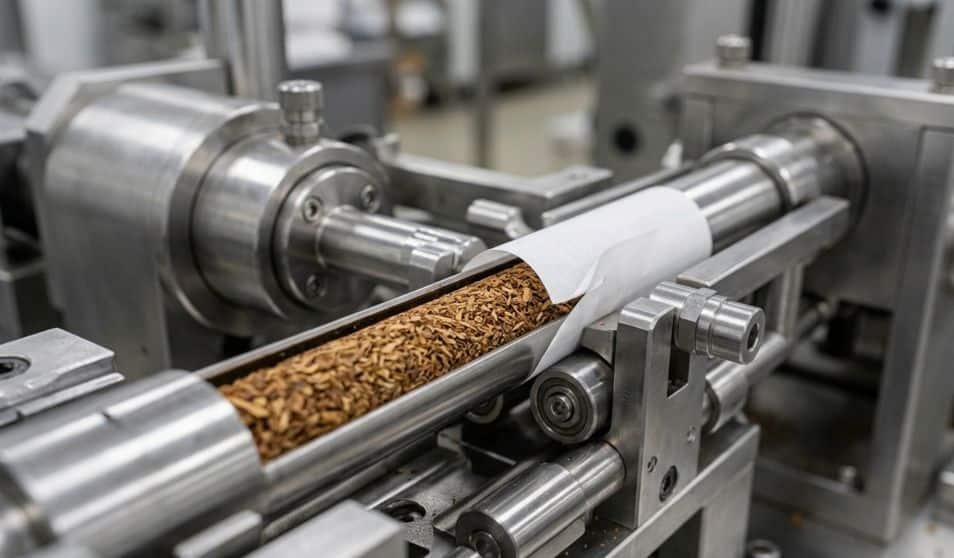
Despite the name, these systems do not usually weigh finished cigarettes one at a time. Instead, they measure the tobacco stream while it is still being formed into a rod, before the paper is closed around it. The reading they take reflects the quantity of tobacco passing a given point, which closely follows the weight of the cigarette that will be cut from that section of the rod.
Different machines use different sensing technologies, commonly radiometric, microwave, or optical measurement. The principle is the same across all of them: a sensor reads the density of the stream as it moves past and converts that reading into a continuous signal the control system can act on.
The sensor reads the tobacco stream constantly as it travels toward the garniture. Because the stream moves at high speed, readings are taken many times per second and averaged over defined lengths of rod.
The control system compares the measured value against a target set for the product. The target reflects the weight and density the blend is specified to deliver, and it comes from the product’s specification.
If the stream is running heavy, the system trims off more tobacco before it is formed into a rod. If it is running light, it trims less. This is the adjustment that actually changes rod weight. It happens automatically and continuously, which is how weight is held steady through a long production shift. Our guide to the cigarette rod making process shows where the trimming stage sits in the full machine sequence.
Control reduces variation, but it cannot remove all of it. The system therefore tracks the measured value for each section of rod. Any section that falls outside tolerance is flagged and removed automatically, so it never reaches packing.
Weight control works on the average and the short-term spread of tobacco quantity. It does not correct everything. Several upstream problems still show up as weight or density variation that the system has to fight against:
The automatic loop is only as trustworthy as its calibration, so factories verify it against independent checks. Operators periodically pull sample cigarettes and weigh them on laboratory scales under standard conditioning, then compare the results against what the in-line system reports. If the two disagree, the sensor is recalibrated. This is a routine part of production, not an exceptional repair.
Weight checks sit alongside other physical measurements such as circumference, pressure drop, and end fill, since a drift in one often explains a drift in another.
A single weight reading outside the target tells you little. A steady drift across a shift tells you a great deal. Factories track weight data over time and watch for trends, because a slow upward or downward creep usually points to a developing cause, such as a worn component, a moisture change in the blend, or sensor drift. Catching that trend early is far cheaper than discovering at the end of a shift that a whole batch has moved out of specification. This approach is described in more detail in our overview of cigarette manufacturing quality control.
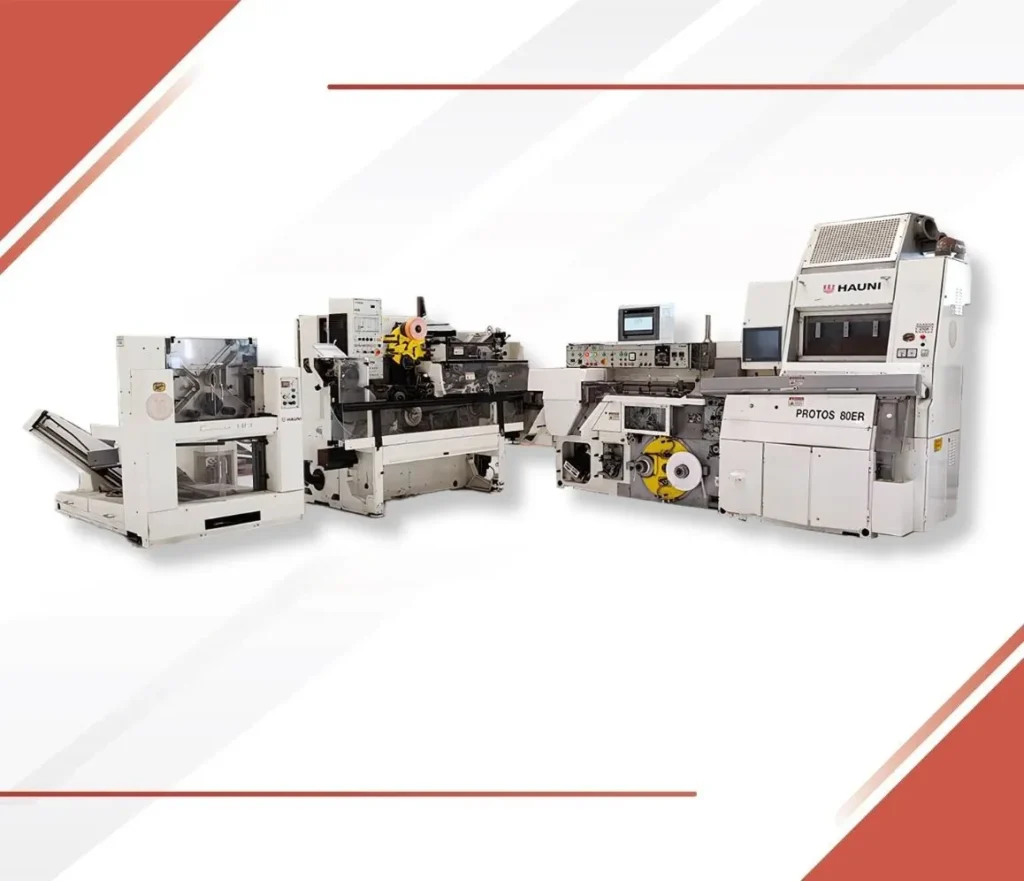
The quality of a factory’s weight control depends on the sensing technology in its cigarette making machines, on how well those machines are maintained, and on how disciplined the calibration routine is. Two factories with similar equipment can deliver very different consistency if one calibrates carefully and the other does not. If you are comparing equipment, our guide on choosing between Hauni and Molins covers the wider decision, and our tobacco machinery and spare parts pages show what we supply to keep production lines running.
For brand owners sourcing production rather than buying a line, weight control is a fair question to put to any factory you are evaluating. It is a reliable signal of how seriously a manufacturer treats consistency. Our guides to private label cigarette manufacturing and contract cigarette manufacturing explain how production is arranged when you bring the brand and the factory brings the line.
Cigarette weight control systems keep production consistent by measuring the tobacco stream continuously, trimming it back to target in real time, and removing sticks that still fall outside tolerance. They work best when the filler arriving at the maker is stable, the machine is well maintained, and the sensor is calibrated against independent checks. When all three hold, the result is a product that weighs, draws, and burns the same from the first stick of a shift to the last.

We specialize in the provision of Tobacco Machinery. Our expertise encompasses not only the trading of machinery but also extends to being a dedicated supplier. This specialization is enriched by our comprehensive solutions tailored for emerging Cigarette Companies. What sets us apart is our ability to offer firsthand insights through our active Cigarette Manufacturing operation in the UAE.