If you make cigarettes, or plan to launch a brand that will be sold in the United States, there is one rule you cannot work around. All 50 states have made fire-safe cigarette standards a legal requirement, and the test behind those laws is run on the finished cigarette. That single fact shapes the paper you buy, the way your cigarette maker is set up, and the paperwork you need before a new product can reach a US shelf.
This guide gives a general overview of fire-safe cigarettes, what the state laws ask of manufacturers, and what your cigarette maker and paper setup need to handle. It stays practical rather than deeply technical, so it works as a starting point for brand owners, buyers, and factory teams.
Tobacco Machinery Suppliers in USA
A fire-safe cigarette, often called a reduced ignition propensity (RIP) cigarette, is built to be less likely to start a fire if it is left burning on a soft surface such as a sofa or mattress. It does not make a cigarette fireproof, and it will still burn normally while someone is smoking it. The difference shows up when the cigarette is left alone. A fire-safe design makes it more likely to go out on its own before it burns all the way down.
The idea behind these laws is simple. Unattended cigarettes have long been a leading cause of fatal house fires, and making the cigarette itself less likely to keep burning is a way to cut that risk without relying on smoker behavior.
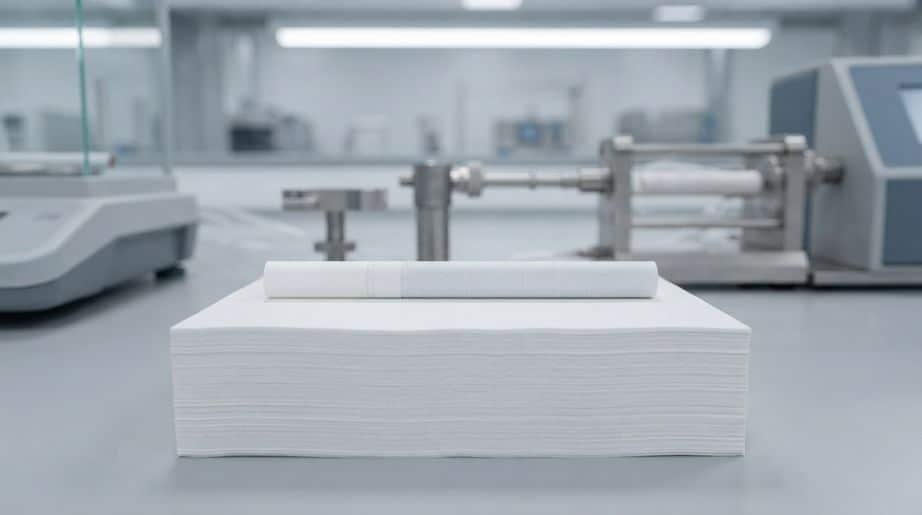
Across the United States, state laws point to the same test method, ASTM E2187, which measures the ignition strength of a cigarette. In simple terms, lit cigarettes are placed on layers of filter paper, and the test checks how many of them burn the full length. Under the common state standard, no more than a quarter of the tested cigarettes may burn all the way. Exact legal wording, fees, and procedures differ from state to state, so any brand owner should confirm the requirements for each state they plan to sell in.
Two points matter most for factories and brand owners:
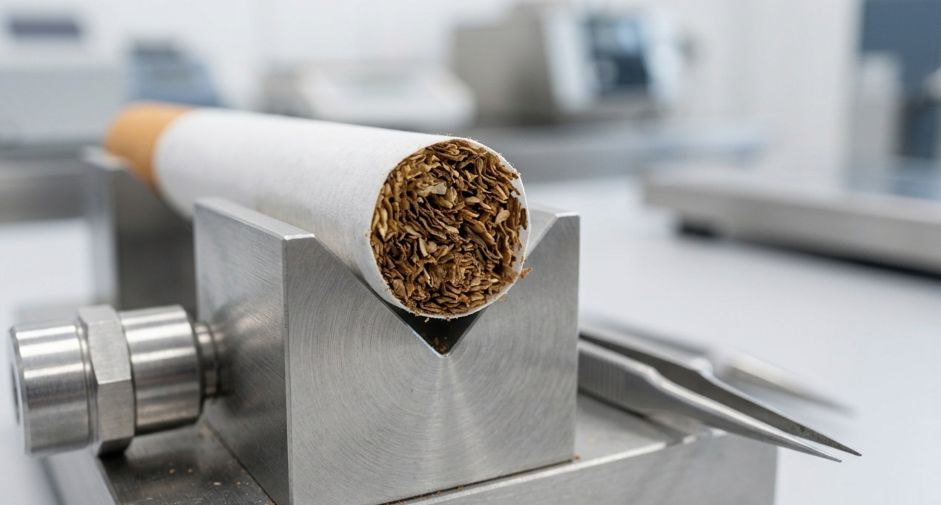
Because of this, no machine can honestly be described as one that “passes” the fire-safe test. A machine can run the paper and tobacco consistently, and that consistency helps, but the result belongs to the finished cigarette that gets tested.
The most common design uses cigarette paper with two or three bands of less porous paper placed along the length of the rod. These bands act like speed bumps. As the burning end reaches a band, the burn slows down, and if the cigarette is not being puffed, it is more likely to go out. Between the bands, the paper behaves like normal cigarette paper.
This is why paper matters so much in a fire-safe cigarette. Our guide to cigarette paper types explains the different papers inside a finished cigarette, and the banded wrapping paper is a specialized version of the wrapping paper described there.
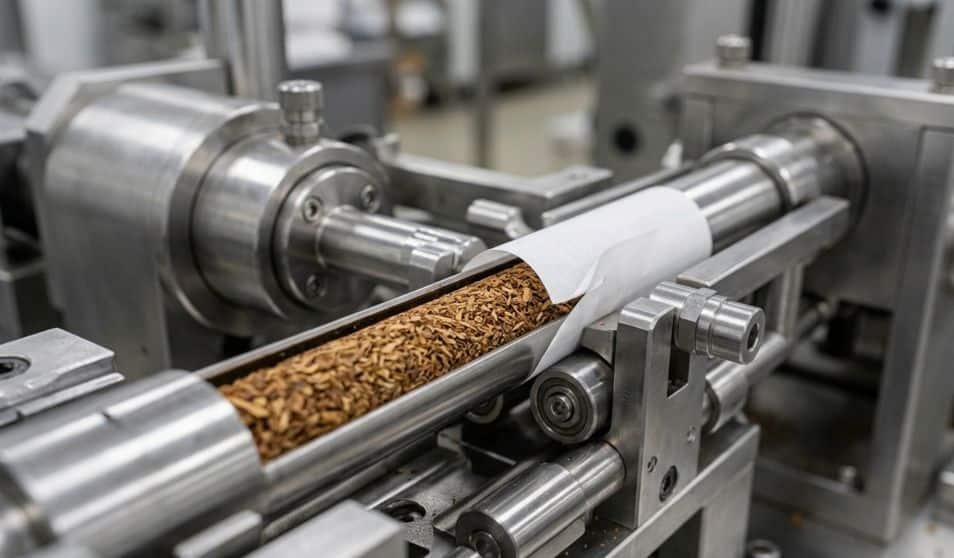
On the production line, banded paper is fed into the cigarette maker much like ordinary paper. It comes on a reel, is drawn into the machine, and is wrapped around the tobacco stream as the rod is formed. The overall process is the same one described in our guide to the cigarette rod making process.
The difference is that the paper now carries a repeating pattern of bands, and that pattern has to line up with the way the rod is later cut into individual cigarettes. Each finished cigarette needs its bands in the right places. That puts new demands on the paper reel, the paper feed, and the cutting stage, even though the overall machine stays the same.
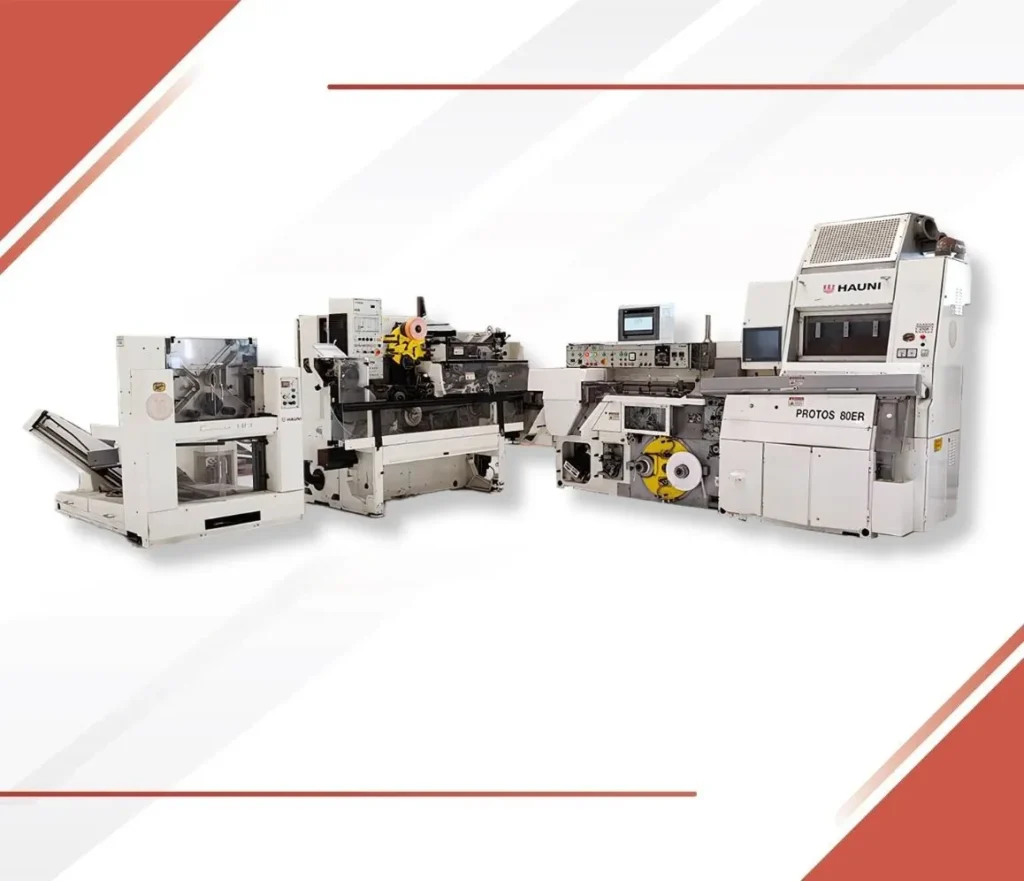
In practice, this means a factory should confirm that its cigarette making machines are suited to running banded paper, that operators are trained to load and monitor it, and that the paper supplier’s specifications match the cigarette length and format being made.
The bands only work as intended when they are in the right place on every cigarette. If the paper pattern drifts relative to the cutting position, some cigarettes can end up with a band too close to an end, or with bands spaced differently from the design that was certified. That is a quality problem and potentially a compliance problem, because the certified design assumes a specific band arrangement.
Consistent band placement depends on a few ordinary production habits:
Physical measurements such as circumference and draw resistance also support this work, since a stable rod is easier to keep within specification. They are part of the wider system described in our overview of cigarette manufacturing quality control.
This is the part that surprises many new brand owners. State laws generally require the manufacturer to certify each cigarette in writing to the state, describing it by details such as brand, style, length, circumference, flavor, filter, and package type. The cigarettes must also be tested by an approved laboratory and carry a marking on the pack showing they meet the standard. Certification typically has to be renewed on a regular schedule, and many states set a fee for each listed cigarette.
Because the certification describes a specific cigarette, a change to that cigarette can mean a new certification or a retest. A different length, a new flavor, a different filter, a new paper, or a new pack format can each count as a new product from a compliance point of view. A brand with several styles may therefore need several separate certifications, not one for the whole brand.
The practical lesson is to plan compliance before you finalize a product range. Launching extra styles later is possible, but each one brings its own testing and paperwork. Always confirm the exact rules for your target states with the state authority or a qualified adviser, since requirements and fees change.
The compliance marking printed on the pack is part of the requirement, so the packing stage matters too. Packaging artwork has to carry the approved marking, and every pack format needs to match what was certified. Our overview of cigarette packing machines and soft pack lines shows how finished cigarettes move into packs. Brand owners should make sure artwork, pack format, and certification details all agree before a production run begins.
Filters are also part of the certified description, so any change in filter type belongs in the same conversation. If you are reviewing filter options, see our pages on cigarette filter making machines and our guide to cigarette filter rod manufacturing.
If you would rather not run your own line, a manufacturing partner can handle production while you focus on the brand. Our guides to private label cigarette manufacturing and contract cigarette manufacturing explain how these arrangements work. If a product is meant for the US, raise fire-safe requirements at the very start, because paper choice, machine setup, and certification all affect timelines and cost.
For factories that run their own lines, the right equipment and spare parts keep banded paper running smoothly. You can explore our tobacco machinery range and our spare parts supply, or contact our team to discuss your setup.
Fire-safe cigarette laws now apply in all 50 states, and they change how a cigarette is designed, made, and certified. Banded paper does the heavy lifting, but it only works when the bands land in the right place on every stick, which depends on steady paper feed, a well-maintained maker, and consistent cutting. Just as important, the test is run on the finished cigarette, and each brand style needs its own certification. Treat compliance as part of product planning rather than an afterthought, and your launch will be far smoother.
This article is a general overview and not legal advice. Fire-safe requirements, fees, and procedures vary by state and change over time, so confirm current rules with the relevant state authority before selling.

We specialize in the provision of Tobacco Machinery. Our expertise encompasses not only the trading of machinery but also extends to being a dedicated supplier. This specialization is enriched by our comprehensive solutions tailored for emerging Cigarette Companies. What sets us apart is our ability to offer firsthand insights through our active Cigarette Manufacturing operation in the UAE.