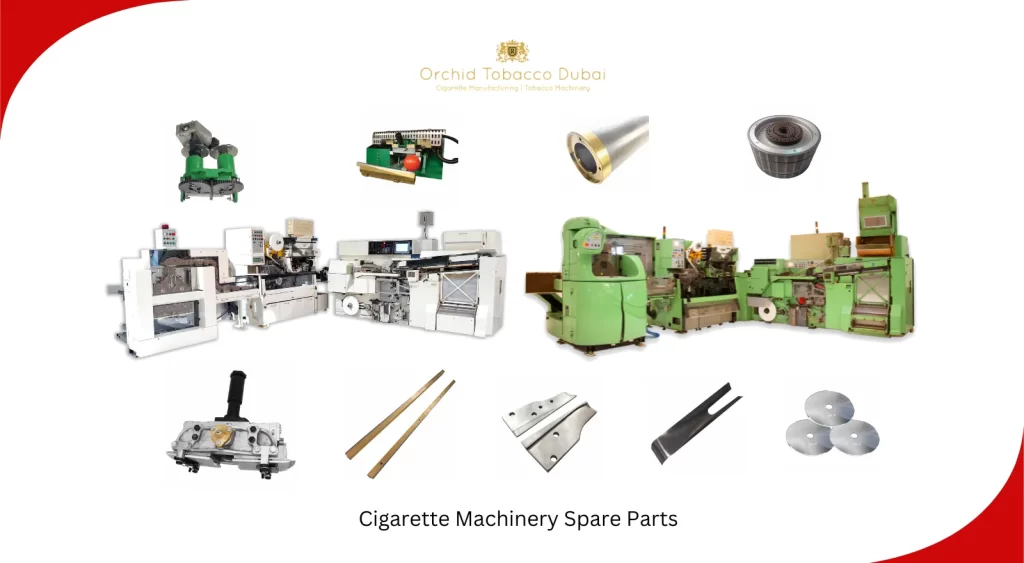
Unplanned downtime on a cigarette making or packing line almost always traces back to the same root cause: a worn part that wasn’t replaced before it failed. Keeping the right spare parts on hand, rather than ordering reactively after a breakdown, is what separates factories that hit their production targets from ones that don’t. This guide covers the spare parts that matter most for Mark 9, Mark 8, and HLP machines, what actually wears out first, and how to think about OEM versus compatible parts sourcing. (View the full Tobacco Machinery Spare Parts list.)
Component wear on cigarette machinery is rarely sudden. Garniture tapes stretch gradually, cutting knives dull incrementally, and sealing jaws lose grip over thousands of cycles before a defect actually shows up on the line. That gradual failure pattern is exactly why reactive purchasing (ordering a part only after it fails) costs more than it looks like on paper: a single unplanned stoppage on a high-speed line can cost more in lost output than a year’s worth of preventive part replacements. (See Cigarette Manufacturing Machines.)
Genuine, correctly specified parts also protect the machine itself. A garniture tape or drive belt sized even slightly off spec can throw off tension elsewhere in the line, accelerating wear on components that had nothing to do with the original part. That’s the case for sourcing parts built for the exact machine model rather than a generic equivalent.
Safety is the other half of the equation. Worn cutting knives, degraded sealing jaws, and loose drive components are common causes of equipment-related incidents on cigarette lines. Keeping these parts current isn’t just about output, it’s what keeps a line compliant with basic workplace safety standards. (View Tobacco Machinery.)
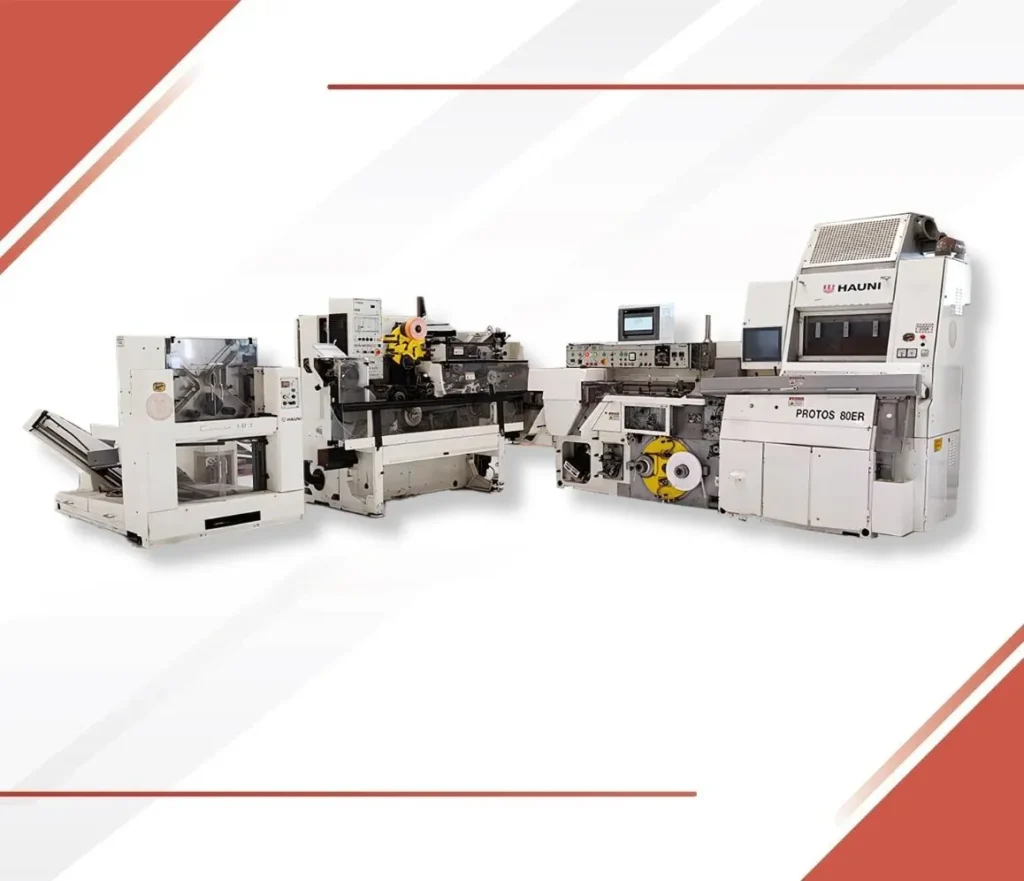
Orchid Tobacco stocks spare parts across the major cigarette making, filter making, and packing platforms in use today, so you’re not stuck sourcing one component from three different suppliers. Whether you’re maintaining a maker, a packer, or a processing line, the parts are cross-referenced to the specific machine model rather than sold as generic fits. (View Cigarette Packing Machines.)
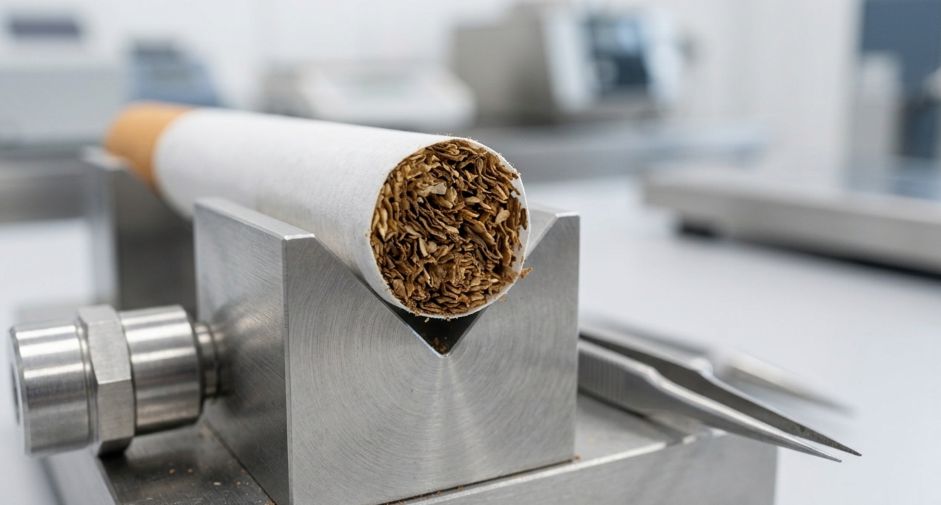
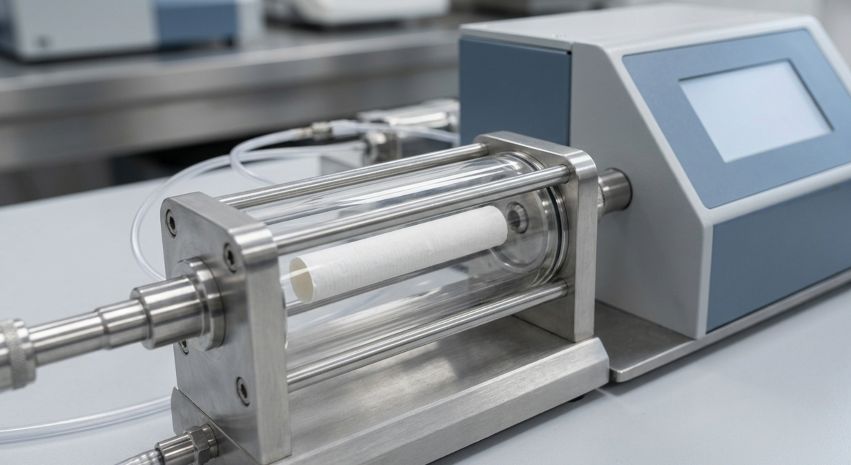
Every part supplied is checked against OEM tolerances before it ships. That matters most on precision components like garniture tapes and cutting knives, where even a small dimensional variance shows up as inconsistent rod weight or an uneven cut on the finished cigarette.
Lead time is usually the deciding factor once a line is already down, which is why parts for the models covered below are kept in stock rather than ordered to demand. (View Cigarette Soft Cup Packing Machines.)
Below is a breakdown of the components most factories replace regularly across three widely used platforms: the Mark 9 and Mark 8 cigarette makers, and the HLP packing line. For the full catalog, see the tobacco machinery spare parts list.
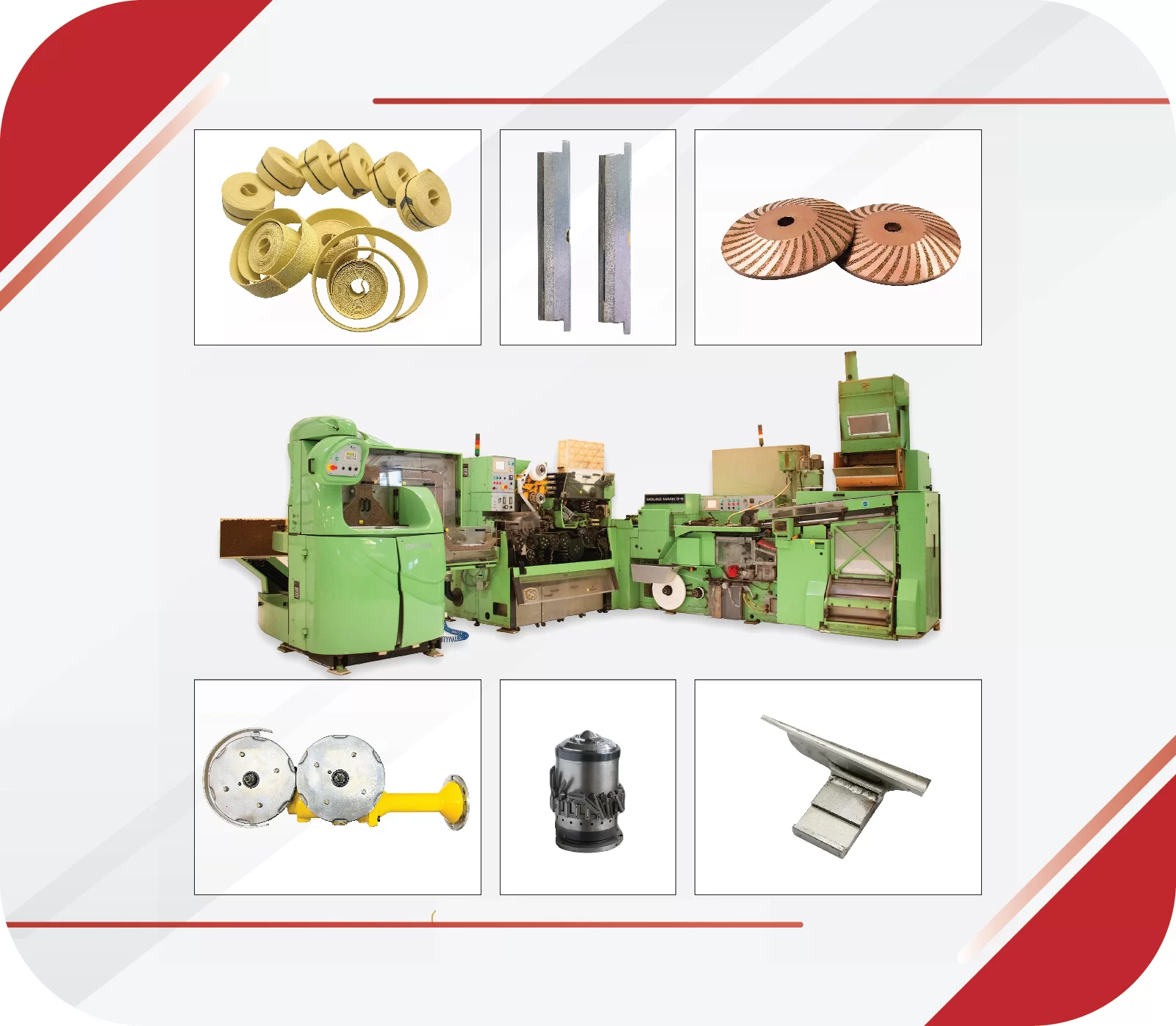
The Mark 9 cigarette making machine holds up well under continuous operation, but a handful of components take the brunt of the wear and need regular attention:
1. Filter Rod Cutters: these lose cutting precision gradually rather than failing outright, so a slightly ragged cut on the filter end is usually the first sign it’s time to swap them, well before the blade edge looks visibly damaged.
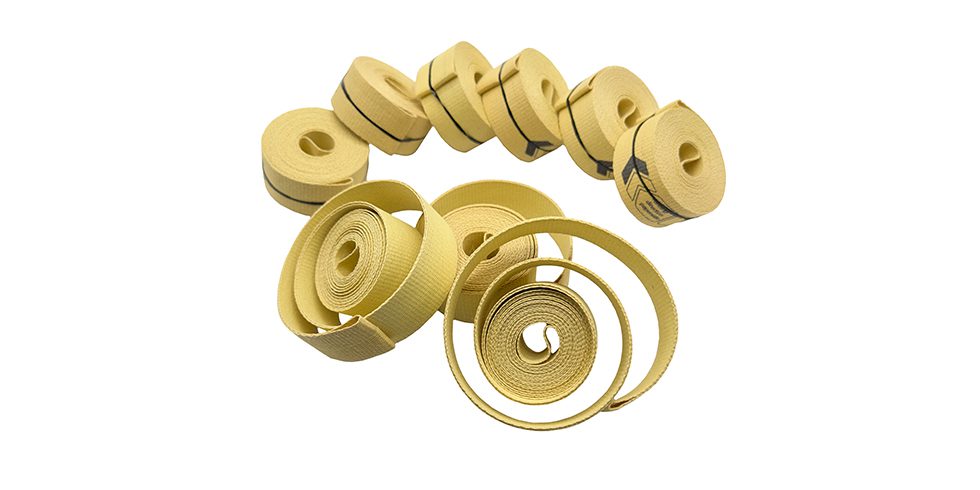
2. Garniture Tapes: the belt and forming guide system that shapes the tobacco rod. Stretch here shows up as inconsistent rod diameter long before the tape itself looks worn, which is why weight variance on the line is often a tape problem rather than a tobacco or weight-control issue.
3. Suction Rollers: keep paper and tobacco moving smoothly through the rolling process. Reduced suction from a worn roller tends to cause paper slippage at speed, a fault that’s easy to misdiagnose as a paper feed issue.
4. Paper Feed Belts: maintain consistent feed rate and tension. A belt running even slightly loose creates rod length variance that compounds as speed increases.
5. Lubrication Systems: keep the machine’s moving parts running smoothly. Under-lubrication is one of the most common causes of premature bearing wear across the entire machine, not just at the lubrication point itself.
Replacing these on a scheduled basis, rather than waiting for a visible fault, is what keeps a Mark 9 producing consistent quality at rated speed.
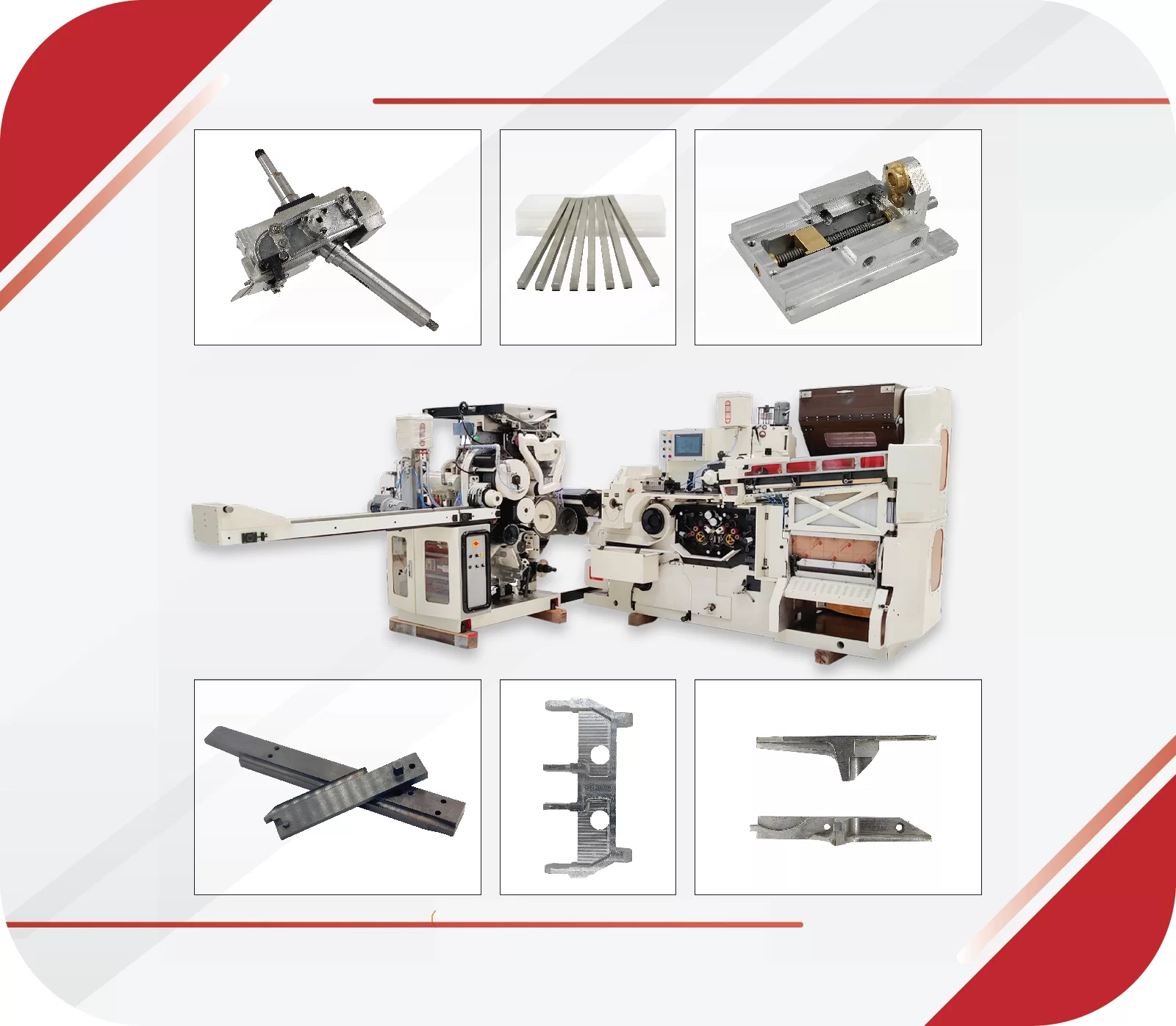
The Mark 8 cigarette making machine is a proven, robust platform, and its wear points are fairly predictable once you know what to watch:
1. Hopper Feeders: keep tobacco supply to the machine steady. An uneven feed here is often the real cause behind rod weight complaints that get blamed on the tobacco blend itself.
2. Rolling Drums: critical to consistent rod formation. Surface wear on the drums shows up as an uneven or lumpy rod, particularly at higher production speeds.
3. Filter Attachments: attach filters securely and accurately. Misalignment here is one of the more common causes of loose or crooked filter joins.
4. Cutting Knives: need to stay sharp for a clean, precise cut during rod formation. Dull knives don’t just cut poorly, they also put extra strain on the drive mechanism behind them.
5. Drive Belts: transmit power to the machine’s various components. A belt running slightly loose shows up first as speed inconsistency rather than an outright stoppage, which makes it easy to overlook until it fails.
Staying ahead of wear on these five components is generally what determines how many production hours a Mark 8 delivers between major service intervals.
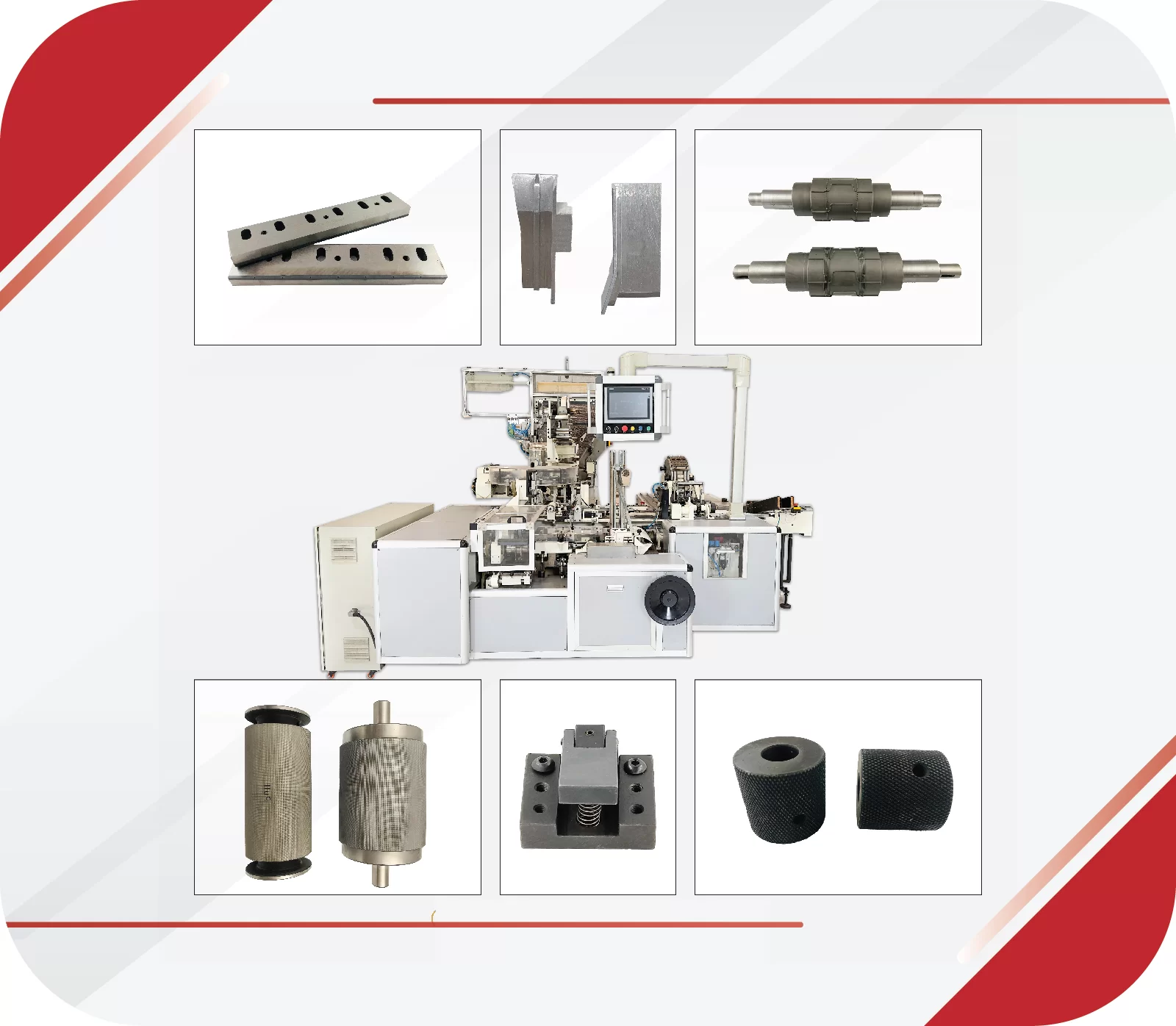
Packing is where a lot of otherwise good production gets let down, and the HLP cigarette packing machine is built for high-speed, consistent output when its wear parts are kept current:
1. Packaging Films and Tapes: for secure, presentable sealing of finished packs. Inconsistent tension on the film feed is usually the first sign this needs attention, before it becomes a visible sealing defect.
2. Folding Plates: handle accurate folding of packaging material. Wear here shows up as inconsistent pack shape, most noticeably at the corners.
3. Sealing Jaws: keep packs airtight and shelf-stable. A jaw that’s lost its grip strength is one of the most common causes of packs that fail a seal integrity check.
4. Feed Rollers: maintain consistent feed rates for packaging materials moving through the machine.
5. Control Panels: manage and monitor the machine’s various functions, and are worth inspecting on a schedule rather than only when a fault code appears.
A well-stocked inventory of these five categories is usually enough to keep an HLP line running without an unplanned stop for packing-related faults.
Buyers often default to whichever spare part is cheapest or fastest to source, but that trade-off plays out differently depending on the component. On precision items, garniture tapes, cutting knives, filter rod cutters, dimensional accuracy has a direct effect on product quality, so sourcing parts built to the original machine’s tolerances is worth the extra cost. On lower-precision items like drive belts or feed rollers, a well-made compatible part can perform just as reliably, provided it’s correctly sized for the machine. The real risk with unverified aftermarket parts isn’t usually the part itself, it’s the lead time when a supplier turns out not to actually stock what they listed, which is exactly the moment a factory can least afford to wait.
Wherever your operations are based, spare parts for Mark 9, Mark 8, HLP, and the wider range of cigarette and tobacco machinery are available for international shipment. (Check Cigarette Wrapping Machines.)
International shipping for machinery spare parts comes with its own logistics challenges, customs documentation, freight scheduling, and delivery timing that can make or break how quickly a stopped line gets back up. Parts orders are handled with that timeline in mind rather than treated as standard freight.
For questions on sourcing a specific part number or checking stock for your machine model, reach out directly. (View Cigarette Filter Making Machines.)
How often should garniture tapes be replaced on a Mark 9 or Mark 8 machine?
There’s no universal interval since it depends heavily on run hours and speed, but tape stretch is usually visible in rod weight consistency data well before the tape shows physical wear. Tracking weight variance is a more reliable signal than a fixed calendar schedule.
Can compatible spare parts be used instead of OEM parts without affecting output quality?
For lower-precision components like drive belts and feed rollers, a well-made compatible part typically performs fine. For precision components that directly affect rod formation or cut accuracy, sourcing parts built to the original machine’s tolerances is the safer call.
What’s the most commonly overlooked spare part on a cigarette packing line?
Sealing jaws. They degrade gradually rather than failing outright, so packs can start failing seal integrity checks well before the wear is visually obvious on the jaw itself.
How far in advance should spare parts be ordered for machines used internationally?
Given customs processing and freight timing, ordering ahead of a scheduled maintenance window, rather than after a fault appears, is the difference between a planned changeover and an unplanned production stop.
Keeping cigarette and tobacco machinery running at rated output comes down to staying ahead of predictable wear rather than reacting to breakdowns. The components covered here, garniture tapes, cutting knives, sealing jaws, drive belts, and the rest, are the ones that consistently determine whether a Mark 9, Mark 8, or HLP line hits its production targets.
From cigarette making machine components to packing line spare parts, the full range is available with parts checked against original machine tolerances and shipped internationally. Reach out to secure the spare parts inventory your line needs before the next scheduled maintenance window.