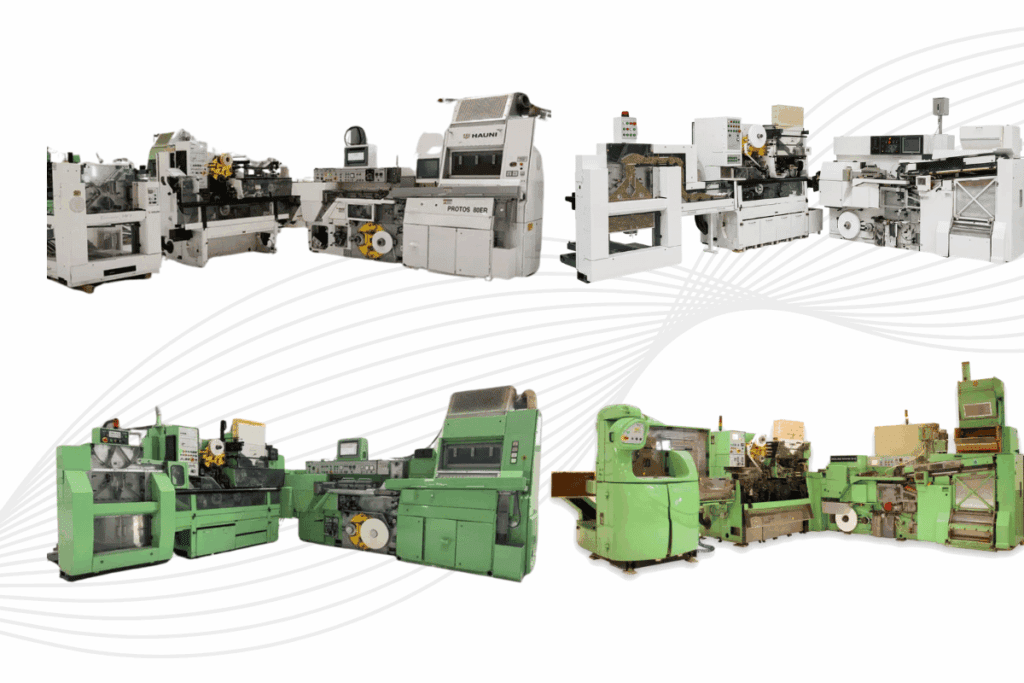
Choosing the right cigarette making and filter production equipment shapes everything downstream: line speed, scrap rate, changeover time, and ultimately the cost per thousand sticks. Heading into 2026, the machines that dominate factory floors are largely refinements of proven platforms — Protos, Molins MK-9 and MK-8 variants, and Hauni’s KDF filter line — rather than a wave of new entrants. That’s good news for buyers: the reliability data and spare parts ecosystem around these machines are mature. Orchid Tobacco supplies and rebuilds this exact range of tobacco machinery and spare parts, so the list below reflects what factories are actually specifying this year, not a theoretical shortlist. Below are the ten cigarette manufacturing and filter making machines worth evaluating in 2026, with the specifications, trade-offs, and buying considerations that matter for each.
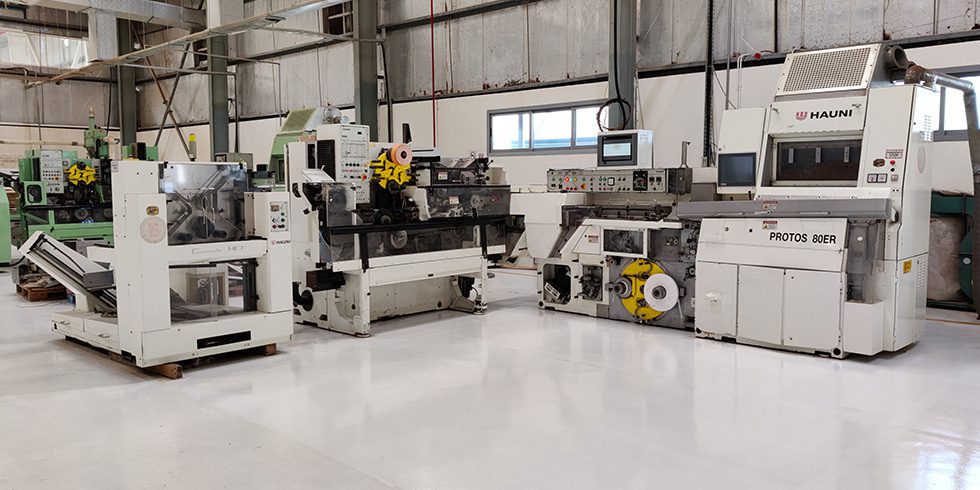
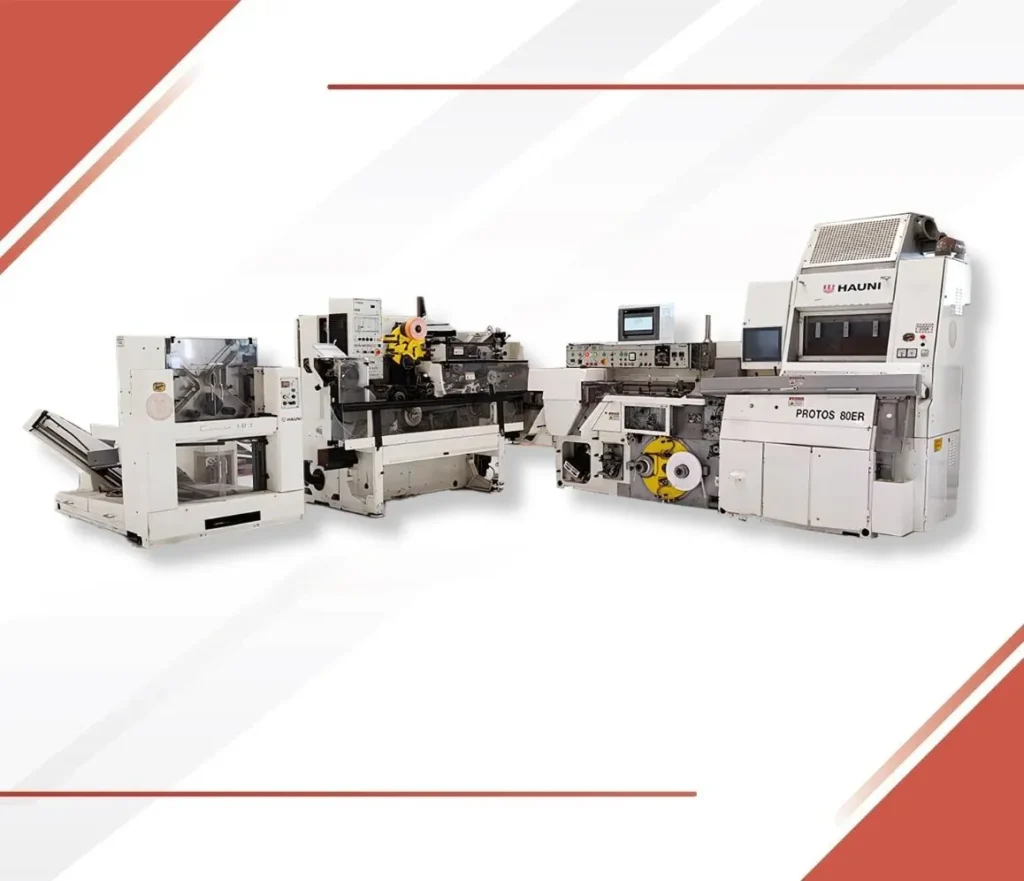
The Protos 80 ER cigarette making machine sits at the high-speed end of the range, rated for 8,000 CPM on regular-diameter product and 7,000 CPM on slim and super-slim formats. What separates it from older Protos generations is the microwave-based weight control system paired with either a SIEMENS or BECKHOFF IPC controller — that combination keeps tobacco rod weight variance tight even as the machine runs near its rated speed, which matters because weight drift is usually the first thing to slip on a high-CPM line. The three-unit configuration (S7000 rod maker, M8000 filter tip attachment, F80 auto tray filler) is built for factories running continuous shifts rather than short batch runs.
| Specification | Details |
|---|---|
| Production Capacity | 8,000 cpm (Regular Dia), 7,000 cpm (Slim & Super Slim) |
| Cigarette Circumference | 17mm – 28.3mm |
| Filter + Tobacco Rod Length | 65mm – 110mm |
| PLC Control System | SIEMENS IPC or BECKHOFF IPC |
| Weight Control | Microwave System |
| Machine Unit | S7000 Cigarette Rod Maker, M8000 Filter Tip Attachment, F80 Auto Tray Filler |
| Power | S7000: 50KW, M8000: 20KW, F80: 15KW |
| Total Weight | 10,800 KG |
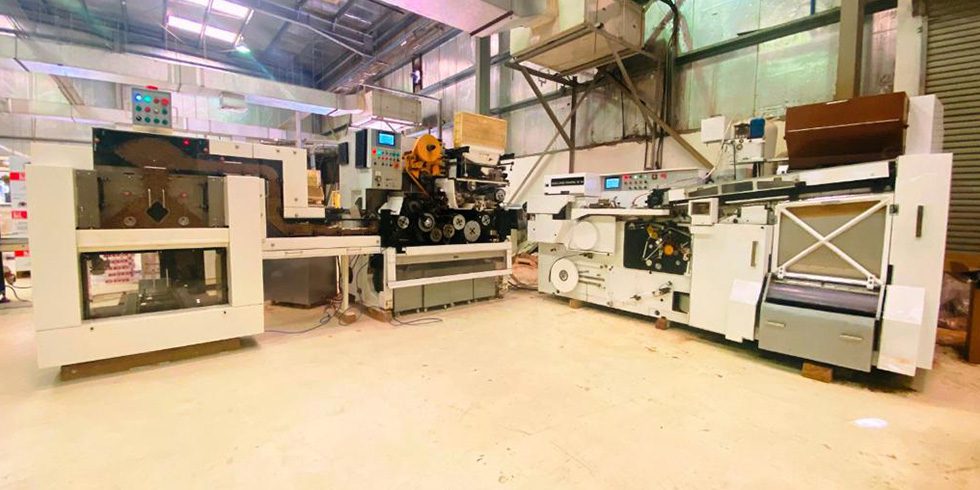
The Molins Mark 9.5 paired with the Max S Tray Filler runs at a more moderate 4,500–5,000 CPM, which is deliberately slower than the Protos 80 ER above. That’s the point: this configuration trades top-end speed for a mass-flow tray filling process that reduces manual tray handling almost entirely, which tends to matter more to plant managers than raw output once labour cost per shift is factored in. The Hauni Max-S filter assembler is a known quantity in the field — parts and trained technicians for it are widely available, which shortens downtime versus less common assembler units.
| Specification | Details |
|---|---|
| Machine Speed | 4,500 – 5,000 Cigarettes Per Minute |
| Cigarette Maker | MK-9.5 Tobacco Cigarette Making Machine |
| Cigarette Circumference | 17mm – 28.3mm |
| Filter + Tobacco Rod Length | 65mm – 110mm |
| Filter Attachment | Hauni Max – S Filter Assembler with Mass Flow Tray Filler |
| Default Setup Size | Standard 84 mm |
| Weight | 7,800 KG (Approx.) |

The Protos 70 cigarette making machine shares its core architecture with the 80 ER but runs at 7,000 CPM on regular diameter and 6,000 CPM on slim formats — a step down in output, but also a step down in footprint and power draw. For mid-scale factories that don’t need the 80 ER’s top speed, this is often the more sensible purchase: the same microwave weight-control system and SIEMENS/BECKHOFF control options carry over, so product quality doesn’t suffer for the lower CPM rating. It’s a common choice for operations running multiple SKUs where changeover frequency matters as much as raw throughput.
| Specification | Details |
|---|---|
| Production Capacity | 7,000 cpm (Regular Dia), 6,000 cpm (Slim & Super Slim) |
| Cigarette Circumference | 17mm – 28.3mm |
| Filter + Tobacco Rod Length | 65mm – 110mm |
| PLC Control System | SIEMENS IPC or BECKHOFF IPC |
| Weight Control | Microwave System |
| Machine Unit | S7000 Cigarette Rod Maker, M8000 Filter Tip Attachment, F80 Auto Tray Filler |
| Power | S7000: 50KW, M8000: 20KW, F80: 15KW |
| Total Weight | 10,800 KG |
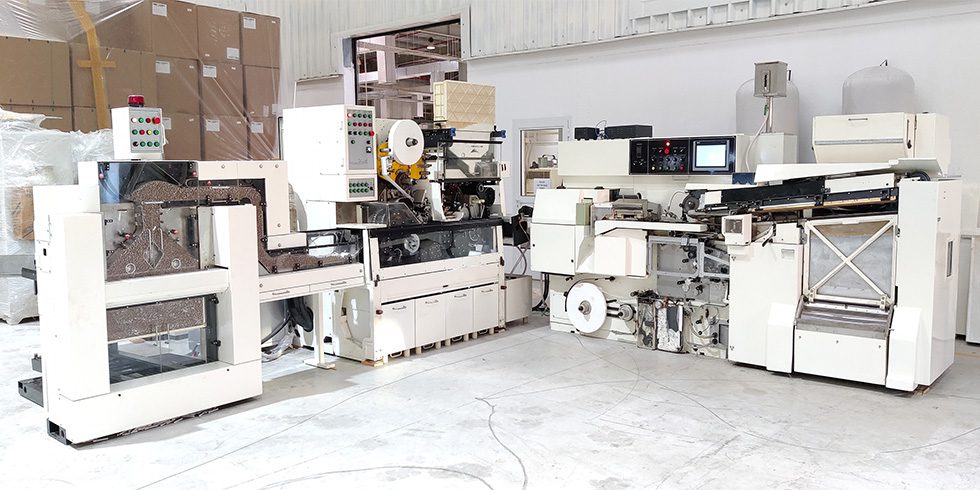
This Molins Mark 9-5 variant runs noticeably slower on paper — 3,500 CPM regular, 3,200 CPM slim — but that’s not a weakness. Lenze servo drives replace fixed mechanical timing with programmable motion control, which gives operators finer control over rod formation and cuts down on the kind of micro-adjustments that eat into uptime on older cam-driven machines. For factories where consistency and low waste matter more than peak CPM, this is frequently the better long-term investment: lower speed but a meaningfully lower scrap rate, which is the trade-off that actually shows up on the cost sheet.
| Specification | Details |
|---|---|
| Production Capacity | 3,500 cpm (Regular Dia), 3,200 cpm (Slim & Super Slim) |
| Cigarette Circumference | 17mm – 28.3mm |
| Filter + Tobacco Rod Length | 65mm – 110mm |
| PLC Control System | SIEMENS PLC |
| Weight Control | Microwave System |
| Servo System | Lenze |
| Machine Unit | MK-9.5 Cigarette Maker, MAX-S Filter Assembler, HCF80 Auto Tray Filler |
| Power | MK-9.5: 35KW, MAX-S: 20KW, HCF80: 15KW |
| Total Weight | 8,600 KG |
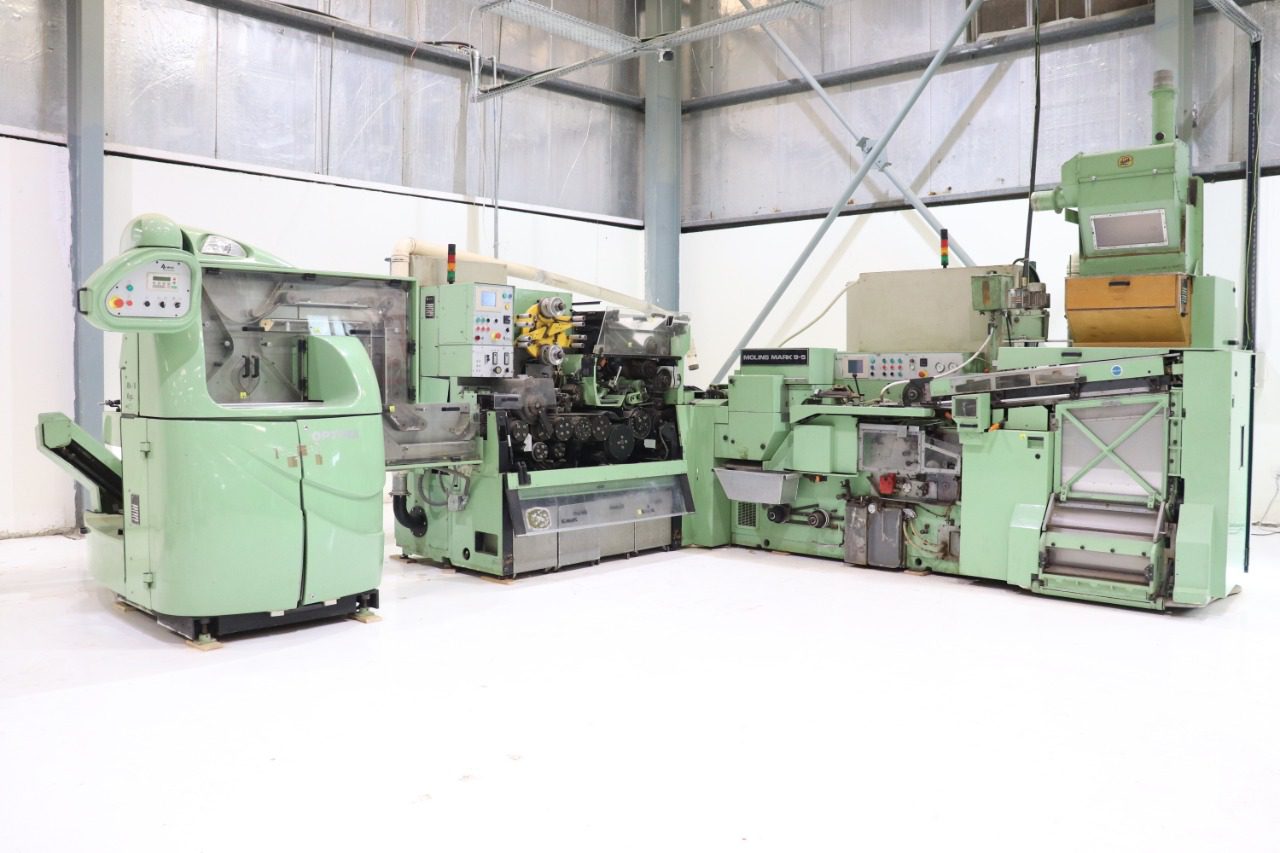
The Molins MK-9 with Max S lands in the same 4,500–5,000 CPM band as the Mark 9.5 Tray Filler variant above, and the two are easy to mix up on a spec sheet. The distinction that matters in practice is downstream integration: this configuration is set up specifically around the Max S filter assembler and mass-flow tray filler working as one balanced unit, rather than as separately specified components. For buyers replacing an existing MK-9 line, sourcing this exact pairing avoids the balancing issues that show up when a maker and filter assembler from different eras are forced to run together.
| Specification | Details |
|---|---|
| Machine Speed | 4,500 – 5,000 Cigarettes Per Minute |
| Cigarette Maker | MK-9.5 Tobacco Cigarette Making Machine |
| Cigarette Circumference | 17mm – 28.3mm |
| Filter + Tobacco Rod Length | 65mm – 110mm |
| Filter Attachment | Hauni Max – S Filter Assembler with Mass Flow Tray Filler |
| Default Setup Size | Standard 84 mm |
| Weight | 7,800 KG (Approx.) |
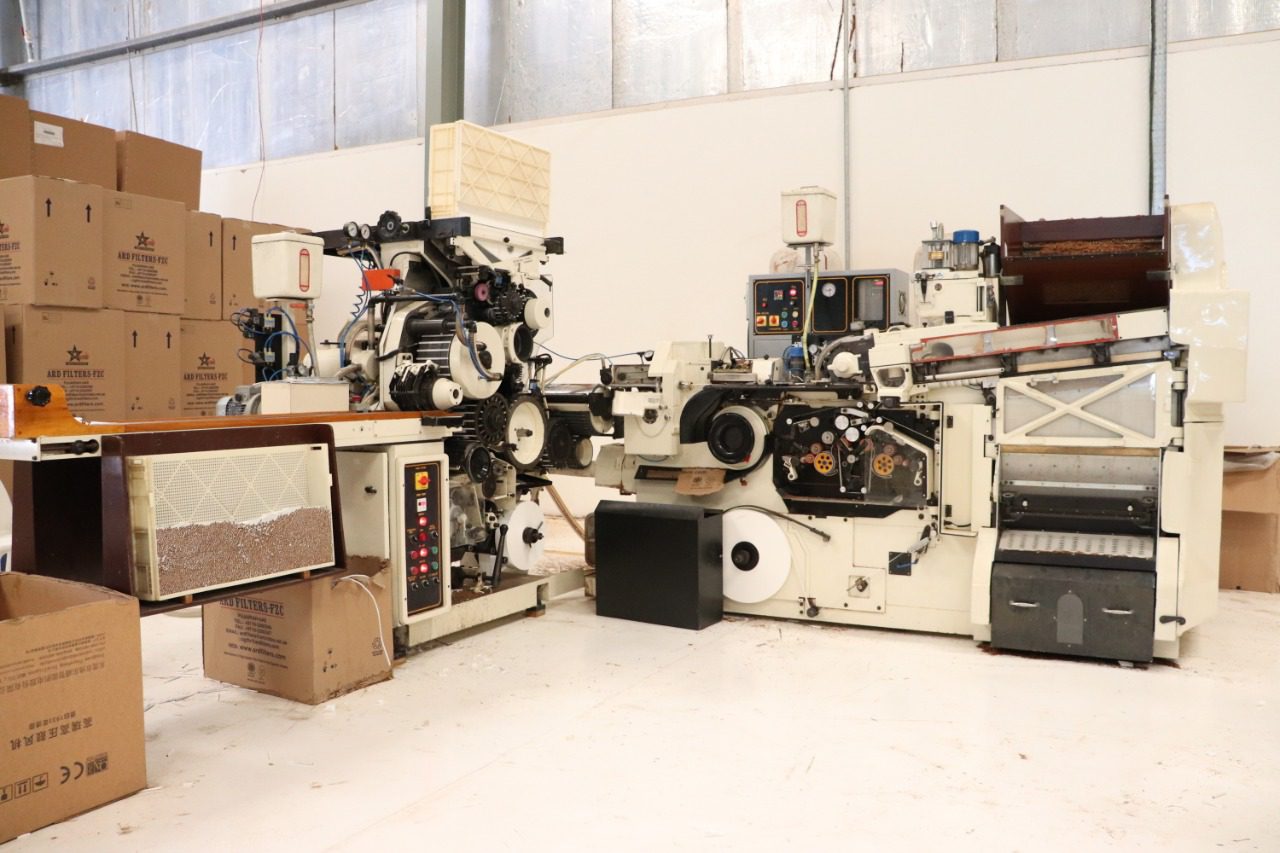
The Molins Mark 8-D with Max 15 runs at 3,000 CPM, which puts it in entry-to-mid-range territory — but it earns its place on this list through format flexibility rather than speed. It’s rated across king, demi, slim, super slim, and nano sizes off the same base unit, which is unusual at this price point. For factories serving fragmented regional markets with several product formats and lower per-SKU volumes, that flexibility often outweighs whatever throughput a faster single-format machine could offer. At 5,000 KG and 17KW total power, it’s also one of the lighter-footprint machines on this list, worth noting for facilities with space or power supply constraints.
| Specification | Details |
|---|---|
| Machine Speed | 3,000 Cigarettes / Minute |
| Cigarette Sizes | King / Demi / Slims / Super Slims / Nano |
| Cigarette Circumference | 17mm – 28.3mm |
| Filter + Tobacco Rod Length | 65mm – 110mm |
| Machine Unit | MK-8D Cigarette Maker, MAX-15 with 1117 Infeed Unit |
| Total Power | 17KW |
| Total Weight | 5,000 KG |
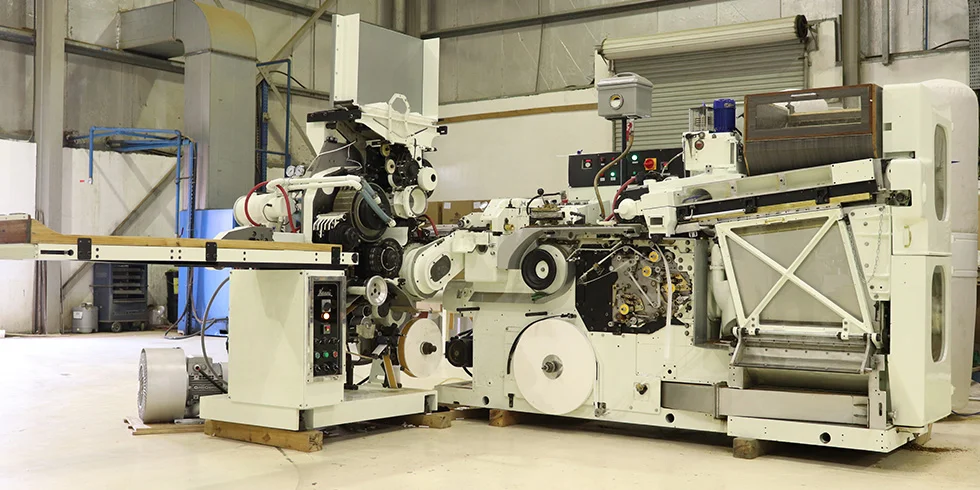
The Molins Mark 8 Post-64 with Max 3 Multiroll is the slowest cigarette maker on this list at 1,800–2,000 CPM, and it’s included here specifically for that reason. Not every operation needs high-speed output — specialty runs, private-label contracts, and lower-volume regional brands often run this class of machine precisely because it’s easier to operate, cheaper to maintain, and more forgiving of frequent format changes. The double colour printer built into the Post-64 configuration is also a genuine differentiator for brands that print directly onto the tobacco paper rather than relying solely on pack graphics.
| Specification | Details |
|---|---|
| Machine Speed | 1,800 – 2,000 Cigarettes Per Minute |
| Cigarette Maker | Molins MK-8 ‘Post 64’ with Double Color Printer |
| Cigarette Circumference | 17mm – 28.3mm |
| Filter + Tobacco Rod Length | 65mm – 110mm |
| Filter Attachment | Hauni Max Multiroll |
| Default Setup Size | Standard 84 mm / 100 mm / Slims / Super Slims / Nano |
| Weight | 3,500 KG (Approx.) |
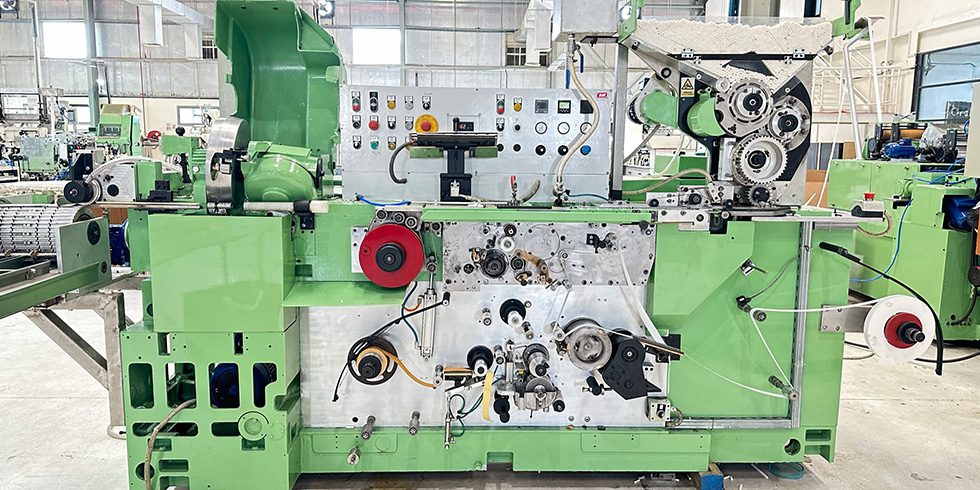
The Hollow Tube Maker occupies a different niche from the cigarette makers above — it produces the hollow paper or acetate tubes used as the mouthpiece section in certain filter designs and specialty formats, rather than making complete cigarettes. This is purpose-built equipment, and its value is less about raw speed and more about dimensional consistency: tube wall thickness and internal diameter have to hold tight tolerances, since variation here directly affects draw resistance downstream. Factories producing filter formats with a hollow acetate or paper tube section typically need this machine as a dedicated upstream step feeding their filter assembler, rather than running it as a standalone line.
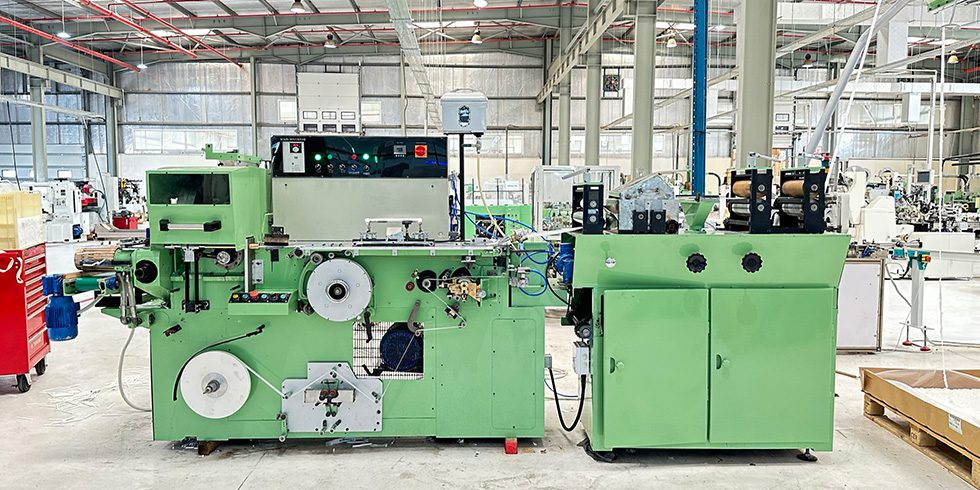
The Hauni KDF-1 is a filter rod maker, not a cigarette maker, and it’s worth being clear about that distinction — buyers sometimes shortlist filter makers and cigarette makers as if they’re interchangeable, when in fact most lines need both. The KDF-1 forms filter rods up to 120mm, with a laser-based circumference control system that holds tolerance across a 16.8–28.1mm range. The choice between Lenze and Beckhoff servo systems here isn’t purely a spec preference: it usually comes down to whichever platform the factory’s maintenance team is already trained on, since parts and technician familiarity for one over the other can materially affect mean time to repair.
| Specification | Details |
|---|---|
| Model | KDF-1 Filter Making Line |
| Production Capacity | 120 mm filters |
| Filter Circumference | 16.8 – 28.1 mm |
| Filter Length | 64 mm – 150 mm |
| PLC Control System | SIEMENS or BECKHOFF |
| Servo System | Lenze or Beckhoff |
| Circumference Control | Laser System |
| Power | KDF-1: 40KW |
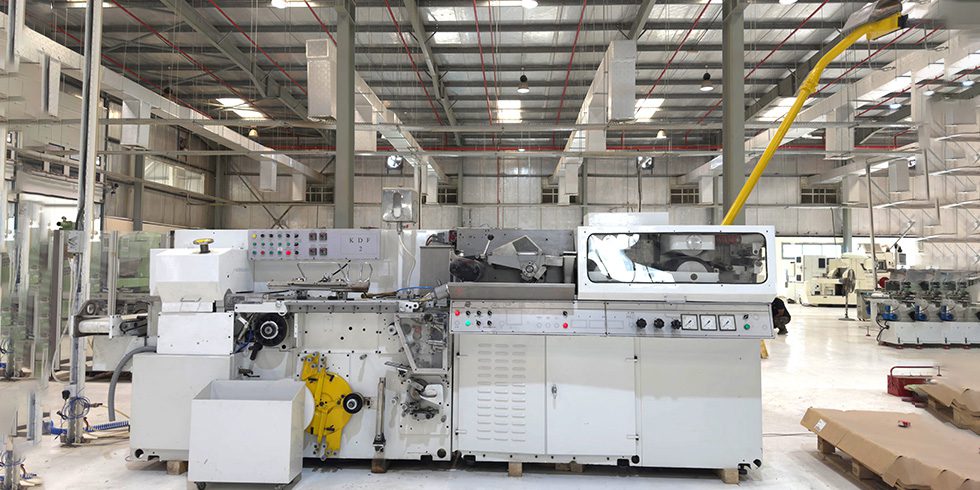
The Hauni KDF-2 is the higher-throughput sibling to the KDF-1, built for factories running acetate tow at volume rather than filter rods on a smaller scale. It’s rated at 400 metres per minute for acetate tow processing, with the same 16.8–28.1mm circumference range and 64–150mm filter length as the KDF-1, so the two share a common footprint of compatible filter formats. The bundled HCF80 auto tray filler is what pushes total weight up to 6,500 KG and adds 15KW of power draw — worth factoring into facility power planning if you’re speccing this alongside a high-speed cigarette maker on the same line.
| Specification | Details |
|---|---|
| Model | KDF-2 Filter Making Line |
| Production Capacity | 400 Meter / Min. for Acetate Tows |
| Filter Circumference | 16.8 – 28.1 mm |
| Filter Length | 64 mm – 150 mm |
| PLC Control System | SIEMENS or BECKHOFF |
| Servo System | Lenze or Beckhoff |
| Circumference Control | KDF-2 Filter Maker with Tow Opener, HCF80 Auto Tray Filler |
| Power | KDF-2: 40KW, HCF80: 15KW |
| Total Weight | 6,500 KG |
Procurement conversations tend to anchor on cigarettes per minute, and it’s an understandable starting point — but CPM rating alone can be misleading if it’s the only number driving the decision. A few considerations that matter just as much in practice:
Speed versus scrap. Running any of the machines above at their rated maximum CPM tends to push scrap rates up, sometimes significantly, compared to running at 80–90% of rated speed. For most factories, the lower effective throughput at a slightly reduced speed still comes out ahead once wasted tobacco and rework are factored in.
Line balancing. A cigarette maker is only as productive as the slowest component downstream of it. Pairing a high-speed maker like the Protos 80 ER with an undersized tray filler or packer creates a bottleneck that erases the speed advantage entirely — the maker and its downstream units, as configured in the specification tables above, are generally balanced for exactly this reason.
Changeover time. Format changes — circumference, rod length, filter type — can take anywhere from a few hours to most of a shift depending on the machine. If your production plan involves frequent SKU switching, a flexible mid-speed machine like the Mark 8-D often outperforms a faster single-format line on realistic monthly output.
Spare parts and service access. Established platforms like the Protos and Molins Mark series benefit from a mature secondary market and widely available spare parts, which shortens downtime when something fails. This is one reason Orchid Tobacco continues to supply and support this specific range rather than chasing every new machine on the market.
Two shifts are shaping purchasing decisions this year more than any single new machine model. First, track-and-trace integration is no longer optional in most export markets, and older machinery retrofitted for serialisation compliance is proving more error-prone than factories initially budgeted for — it’s worth confirming compatibility before committing to a used or refurbished unit. Second, energy cost has become a bigger line item in total cost of ownership calculations than it was even a few years ago; high-speed machines like the Protos 80 ER draw meaningfully more power than mid-speed alternatives, and that gap compounds fast across a three-shift operation. Neither trend changes which machines are worth buying, but both change how buyers should be evaluating them.
| Machine Model | Type | Production Capacity | Key Features |
|---|---|---|---|
| Protos 80 ER | Cigarette Maker | 8,000 cpm (regular), 7,000 cpm (slim) | Microwave weight control, high-speed three-unit line |
| Molins Mark 9-5 with Max S Tray Filler | Cigarette Maker | 4,500–5,000 cpm | Integrated mass-flow tray filling, reduced manual handling |
| Protos 70 | Cigarette Maker | 7,000 cpm (regular), 6,000 cpm (slim) | Compact footprint, strong fit for multi-SKU lines |
| Molins Mark 9-5 with Lenze Servo Drives | Cigarette Maker | 3,500 cpm (regular), 3,200 cpm (slim) | Servo-driven precision, lower scrap rate |
| Molins MK-9 Cigarette Maker with Max S | Cigarette Maker | 4,500–5,000 cpm | Factory-balanced maker and filter assembler pairing |
| Molins Mark 8-D with Max 15 | Cigarette Maker | 3,000 cpm | Five-format flexibility, low power and footprint |
| Molins Mark 8 Post-64 with Max 3 Multiroll | Cigarette Maker | 1,800–2,000 cpm | Double colour printing, ideal for lower-volume runs |
| Hollow Tube Maker | Specialized Equipment | Purpose-built for tube dimensional accuracy | Tight tolerance mouthpiece tube production |
| Hauni KDF-1 | Filter Maker | Filter rods up to 120 mm | Laser circumference control, SIEMENS/BECKHOFF PLC |
| Hauni KDF-2 | Filter Maker | 400 metres/min for acetate tows | High-volume tow processing, integrated tray filler |
Note: Production capacities and features above reflect manufacturer and platform specifications and can vary with configuration, tow or paper type, and operating conditions.
What CPM rating do most mid-size cigarette factories actually need?
Most mid-size operations run comfortably in the 3,000–7,000 CPM band. Machines rated above that, like the Protos 80 ER, only pay off once you’re running consistent three-shift volume — below that, the extra speed usually just sits unused while the extra power draw doesn’t.
Do I need a separate filter maker if I already have a cigarette making machine?
Yes, in most configurations. A cigarette maker like the Protos or Molins series forms the tobacco rod; a filter maker like the Hauni KDF-1 or KDF-2 produces the filter rod separately, and the two are joined at the filter attachment (tipping) stage. They are not interchangeable equipment.
How much does format flexibility matter compared to raw speed?
It depends heavily on your SKU count. A factory running one format at high volume benefits most from a faster single-purpose machine. A factory serving several regional formats often gets more effective monthly output from a flexible, lower-CPM machine like the Mark 8-D, simply because it loses less time to changeovers.
Is buying refurbished machinery from established platforms like Protos or Molins a reasonable option?
These platforms have a large secondary market and well-documented refurbishment standards, which makes buying used or rebuilt equipment considerably lower-risk than it would be for a less established brand. The main thing to verify is refurbishment quality and parts sourcing before committing.
Orchid Tobacco supplies, rebuilds, and stocks spare parts for the full range of machinery covered above, including Protos, Molins Mark 8 and 9 series, and Hauni KDF filter lines. If you’re weighing which configuration fits your production volume, format mix, and existing line equipment, get in touch with Orchid Tobacco to talk through the specifics for your factory.